
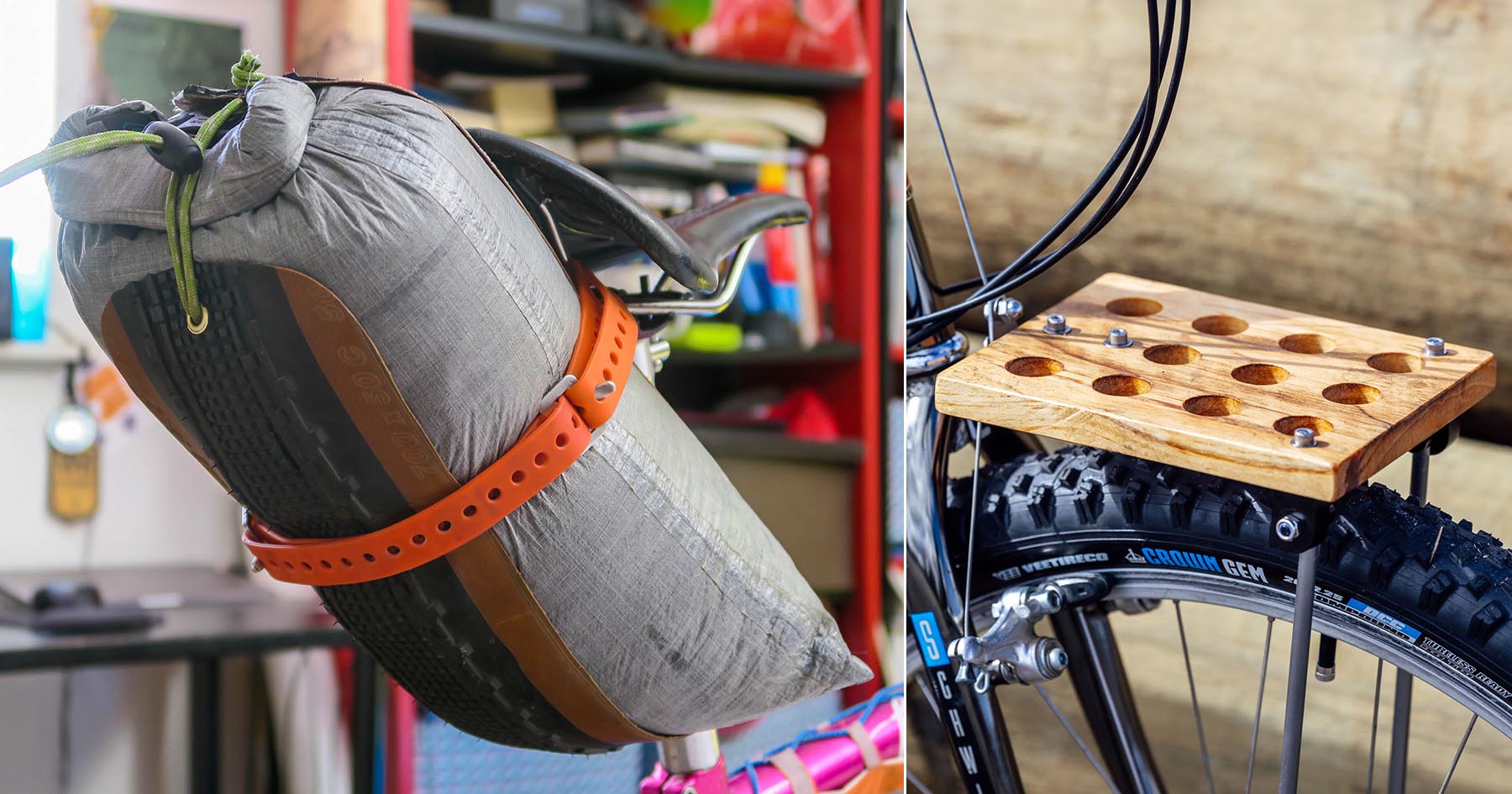
Exploring the World of DIY Bikepacking Gear: A Comprehensive Guide
In the ever-evolving realm of bikepacking, the allure of crafting your own gear has gained significant traction. Not only does this approach offer a personalized touch, but it also presents an opportunity to enhance functionality while keeping expenses in check. This guide delves into the essentials of DIY bikepacking gear, drawing insights from recent developments in 2026.
The Appeal of DIY Bikepacking Gear
Embarking on a bikepacking journey is as much about the experience as it is about the equipment. While commercial gear often boasts advanced features, the satisfaction derived from creating custom gear tailored to individual needs is unparalleled. DIY gear allows enthusiasts to:
- Customize Functionality: Design gear that aligns perfectly with personal preferences and specific trip requirements.
- Achieve Cost Efficiency: Utilize affordable materials to craft high-quality gear, making the sport more accessible.
- Enhance Sustainability: Repurpose existing materials, reducing waste and promoting eco-friendly practices.
Essential DIY Bikepacking Gear Components
-
Frame Bags: These bags fit within the bike’s frame triangle, offering a stable and balanced storage solution. Crafting a frame bag allows for optimal use of space, accommodating tools, food, and other essentials.
-
Handlebar Bags: Ideal for lightweight and bulky items like sleeping bags or tents, handlebar bags can be customized for easy access and secure attachment.
-
Seat Packs: Mounted under the saddle, seat packs are perfect for heavier items. Designing a seat pack with adjustable straps ensures stability and minimizes sway during rides.
-
Top Tube Bags: Placed on the top tube, these bags provide quick access to frequently used items such as snacks, maps, or a phone.
-
Panniers: For longer trips requiring substantial storage, panniers can be attached to the front or rear of the bike, offering ample space for additional gear.
Materials and Tools for Crafting Gear
Selecting the right materials is crucial for durability and performance. Commonly used fabrics include:
- Cordura Nylon: Known for its toughness and resistance to abrasions.
- Dyneema Composite Fabric: Lightweight and waterproof, ideal for reducing overall weight.
- Ripstop Polyester: Offers a balance between weight and durability.
Essential tools encompass sewing machines capable of handling heavy fabrics, durable threads, webbing, buckles, and waterproof zippers.
Inspiration from Recent DIY Projects
The bikepacking community has seen a surge in DIY projects, with enthusiasts sharing their creations and tutorials. For instance, a recent guide titled “Bikepacking Gear: The Complete Guide (Gear List + 3 Proven Setups)” offers insights into assembling a comprehensive bikepacking kit, emphasizing the importance of customization and personal touch in gear selection. (thetravelingvagabond.com)
Conclusion
Crafting your own bikepacking gear not only enhances the adventure but also fosters a deeper connection with the cycling community. By embracing DIY projects, riders can tailor their equipment to their unique needs, ensuring a more enjoyable and personalized bikepacking experience.
For a visual guide on assembling bikepacking gear, you might find this video helpful: