
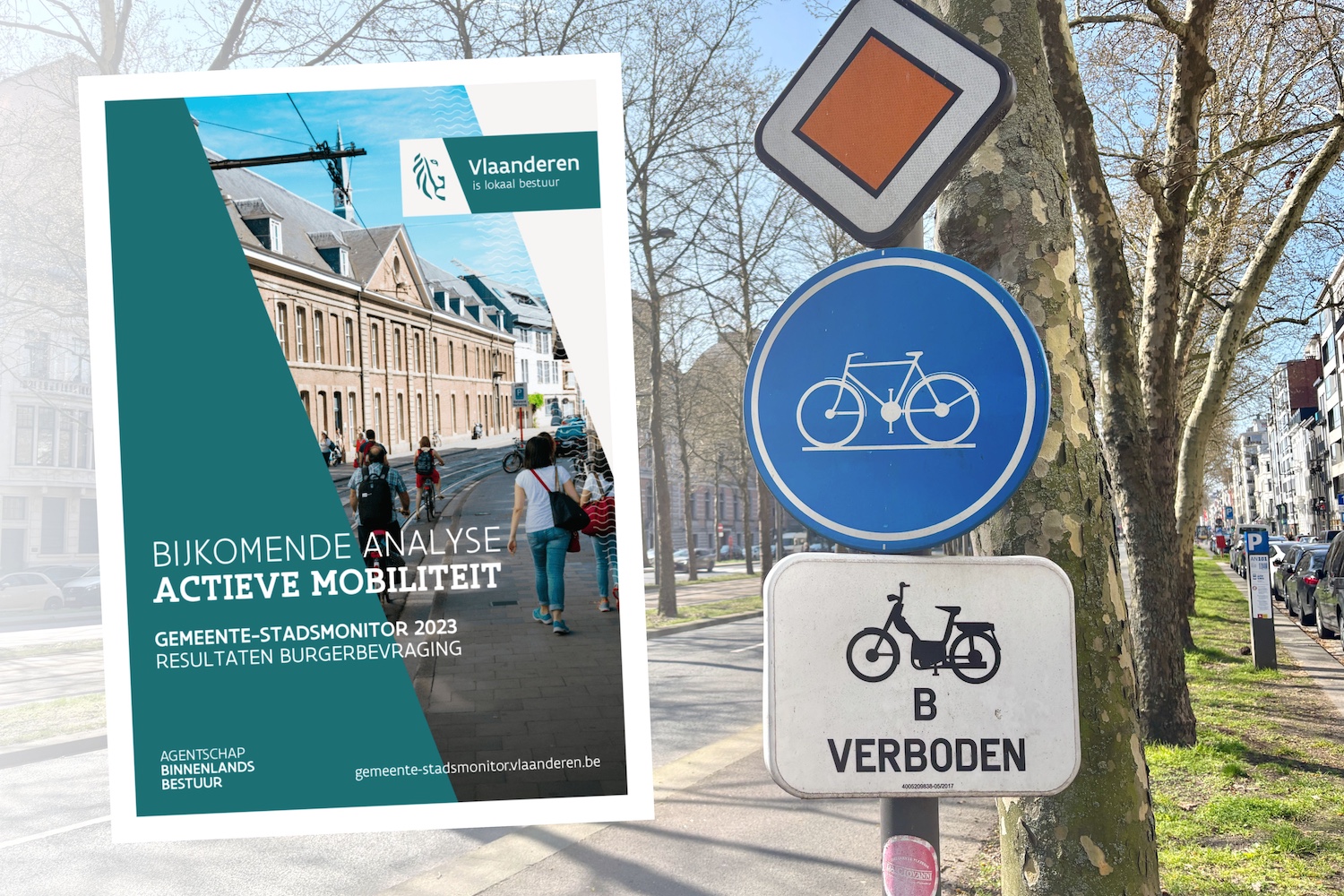
Cycling in Flanders: A Comprehensive Overview
Cycling in Flanders has experienced a significant surge in popularity, with recent studies highlighting a record 18.5% of daily trips now made by bicycle, including electric models. (vlaanderen.be) This trend underscores the region’s commitment to sustainable mobility and the growing appeal of cycling among its residents.
Demographics and Usage Patterns
The demographic landscape of cyclists in Flanders reveals notable patterns:
-
Age Groups: Individuals under 25 are the most active cyclists, frequently choosing bicycles for short-distance travel. In contrast, those aged 75 and above exhibit the least cycling activity.
-
Urban vs. Rural: Residents of Flemish city centers engage in cycling and walking more than their counterparts in other areas, likely due to shorter distances to amenities and enhanced cycling infrastructure.
-
Gender and Education: Men are more likely to cycle than women, and individuals with higher educational attainment tend to use bicycles more frequently.
-
Ethnic Background: People of non-EU origin cycle significantly less, with over half never or rarely using a bicycle for short trips, compared to a much lower percentage among those of Belgian origin.
Factors Influencing Cycling Habits
Several elements influence cycling behaviors in Flanders:
-
Bicycle Ownership: Owning a bicycle is a strong predictor of cycling frequency. Among those without a bicycle, only 12% cycle weekly for short distances, whereas 48% of bicycle owners do.
-
Financial Considerations: Individuals facing financial challenges not only own bicycles less often but also use them less when they do own one, possibly due to maintenance costs and longer distances to essential services.
-
Lifestyle Choices: Residents reporting good subjective health and those making environmentally conscious decisions are more likely to engage in cycling and walking, indicating that these behaviors are part of a broader lifestyle that reinforces sustainable choices.
Infrastructure and Safety Concerns
The expansion of cycling infrastructure has been a focal point in Flanders. In 2025, the Agency for Roads and Traffic (AWV) recorded an 11% increase in bicycle traffic on popular cycling paths along regional roads compared to the previous year. (wegenenverkeer.be) However, safety remains a pressing issue. A study by Vias Institute highlighted that 24% of cycling accidents occur without the involvement of another vehicle, emphasizing the need for improved infrastructure and safety measures. (vlaanderen.be)
Conclusion
The rise in cycling in Flanders reflects a positive shift towards sustainable transportation. Addressing demographic disparities, enhancing infrastructure, and promoting safety will be crucial in maintaining and accelerating this trend.