
Home — OffRoad Rescue SystemsMidnight Rescue of UTV Driver in Colorado’s Rugged Terrain
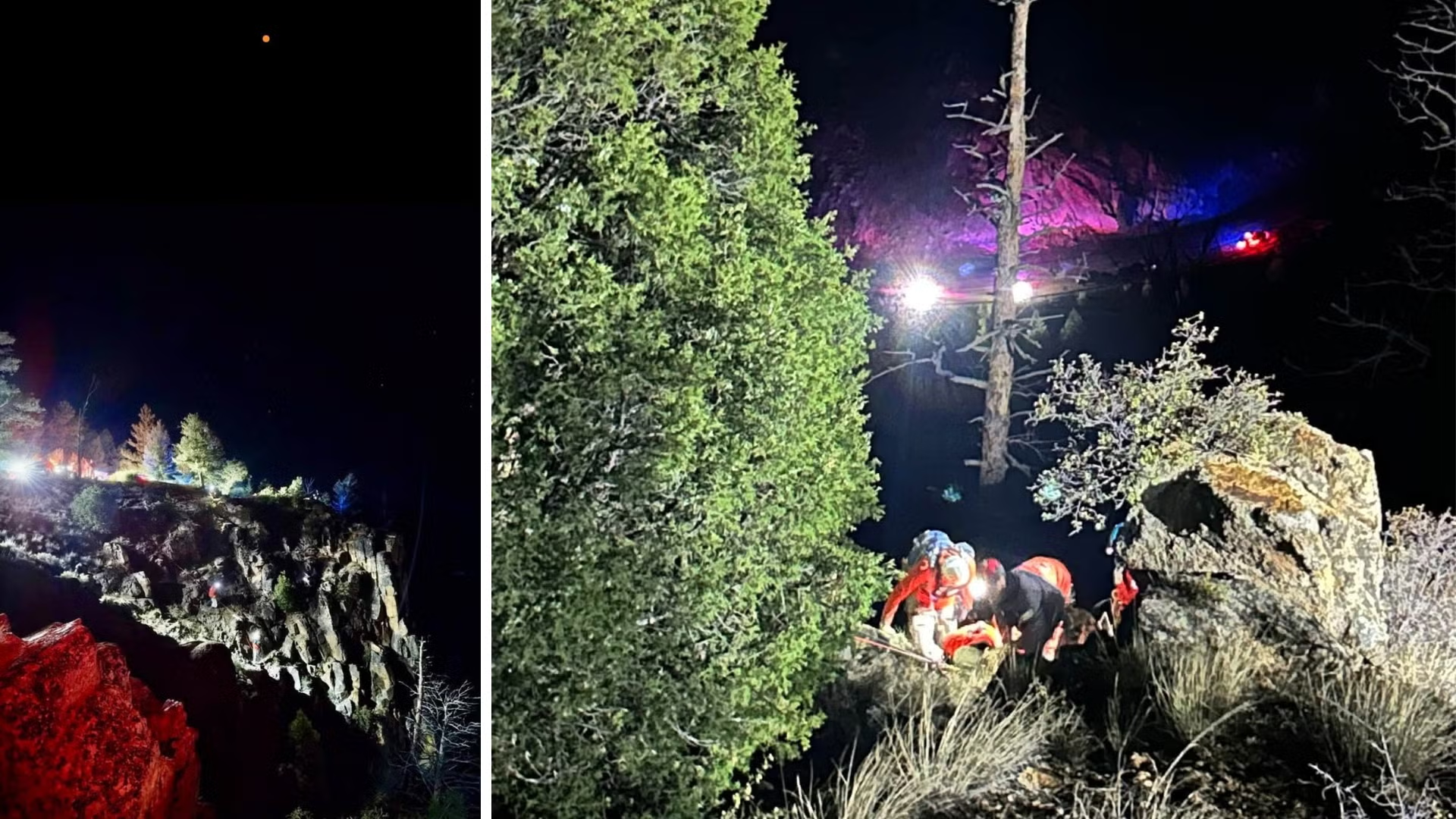
In the early hours of September 19, 2026, a harrowing incident unfolded near Hot Sulphur Springs, Colorado, when a utility terrain vehicle (UTV) veered off course, plunging approximately 250 feet down a steep embankment. The driver, whose identity remains undisclosed, sustained injuries that necessitated a complex and time-sensitive rescue operation.
Challenging Terrain and Nighttime Operations
The accident occurred just before midnight, presenting immediate challenges for the Grand County Search and Rescue (GCSAR) team. Scott Sutcliffe, a GCSAR member, highlighted the difficulties posed by nighttime rescues:
“The call came in at 11:30 P.M., and night ops bring their own challenges—headlamps and spotlights can actually create tunnel vision for rescuers, narrowing the field of view, making situational awareness more challenging.” (readfeeds.com)
Innovative Use of Drone Technology
To mitigate the limitations of traditional lighting, the rescue team deployed drones equipped with spotlights. This aerial illumination provided a broader and more consistent view of the treacherous terrain, enhancing the safety and efficiency of the operation. (readfeeds.com)
Technical Rope Rescue Operations
Given the steep and unstable nature of the embankment, standard rescue methods were inadequate. The GCSAR team, in collaboration with Grand County EMS, Union Pacific Railroad, Hot Sulphur Springs Fire Department, and the Grand County Sheriff’s Office, established multiple rope systems. These systems facilitated the lowering of medical supplies and rescuers to the injured driver and the subsequent safe ascent of the patient and rescue personnel. (readfeeds.com)
Safety Reminders and Precautions
In the aftermath of the rescue, GCSAR emphasized the importance of rider safety. They urged UTV operators to understand their limits, adjust speeds according to terrain conditions, and consistently wear helmets and seat belts. (readfeeds.com)
This incident underscores the critical role of advanced technology and interagency collaboration in conducting successful rescues in challenging environments.