
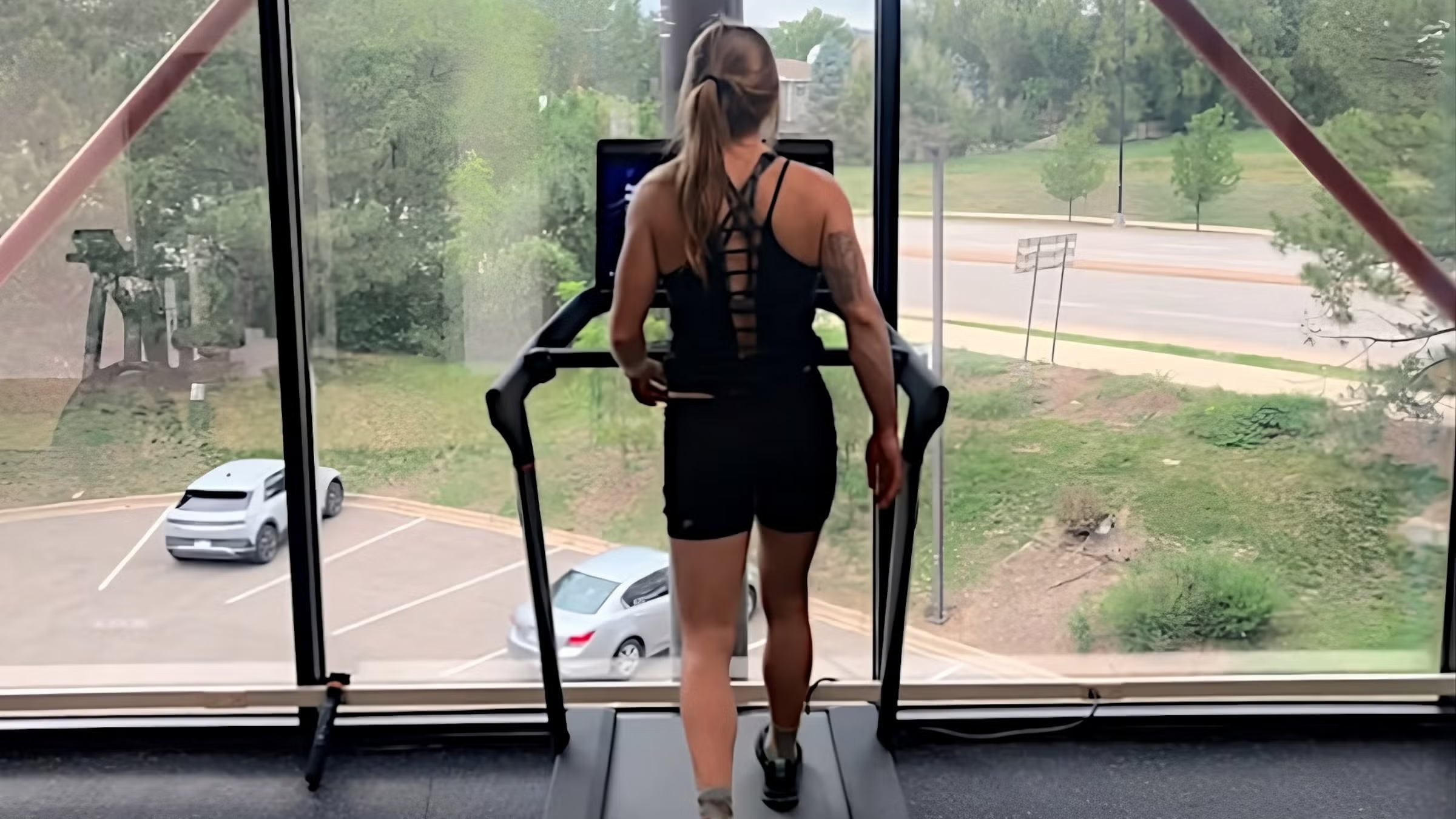
Understanding the Impact of Gait on Hiking Performance and Injury Prevention
When embarking on a hiking expedition, the allure of traversing rugged terrains and immersing oneself in nature’s beauty is undeniable. However, for many, this experience is marred by persistent aches and pains, particularly in the hips and ankles. While the temptation to invest in the latest gear is strong, the root cause of these discomforts often lies not in equipment but in one’s gait—the unique pattern of movement during walking.
The Significance of Gait in Hiking
Gait encompasses the coordinated movement of muscles and joints during walking. Over time, habitual walking patterns can develop asymmetries, leading to uneven distribution of forces across the body. Such imbalances can result in chronic pain and increase the risk of injury. For instance, favoring one side or adopting a slight tilt can place undue stress on specific joints, manifesting as discomfort in areas like the hips or ankles.
The Role of Gait Analysis
To address these issues, a comprehensive gait analysis is invaluable. This assessment involves evaluating the biomechanics of walking to identify irregularities. Advanced techniques, such as musculoskeletal modeling and muscle coordination analysis, have been employed to monitor gait rehabilitation progress. These methods provide insights into how neural control influences walking patterns and can guide effective training and rehabilitation strategies. (pubmed.ncbi.nlm.nih.gov)
Implementing Gait Correction Strategies
Correcting gait abnormalities involves a multifaceted approach:
-
Strengthening Exercises: Focusing on core and lower limb muscles enhances stability and supports proper alignment.
-
Stretching Routines: Regular stretching, particularly of the calves and hip flexors, can alleviate tightness that contributes to gait issues.
-
Balance Training: Incorporating balance exercises improves proprioception, aiding in the correction of movement patterns.
-
Postural Awareness: Maintaining an upright posture with ears aligned over shoulders and hips ensures optimal body mechanics during movement.
Recent studies have demonstrated that targeted interventions, such as progressive hop-stabilization and balance training, can positively influence gait characteristics and enhance the running experience for individuals with functional ankle instability. (pubmed.ncbi.nlm.nih.gov)
Conclusion
While upgrading hiking gear may seem like a quick fix for discomfort, addressing the underlying issues in one’s gait offers a more sustainable solution. By understanding and correcting movement patterns, hikers can not only alleviate pain but also enhance performance and reduce the risk of future injuries. Embracing gait analysis and corrective strategies is a proactive step towards a more enjoyable and injury-free hiking experience.