
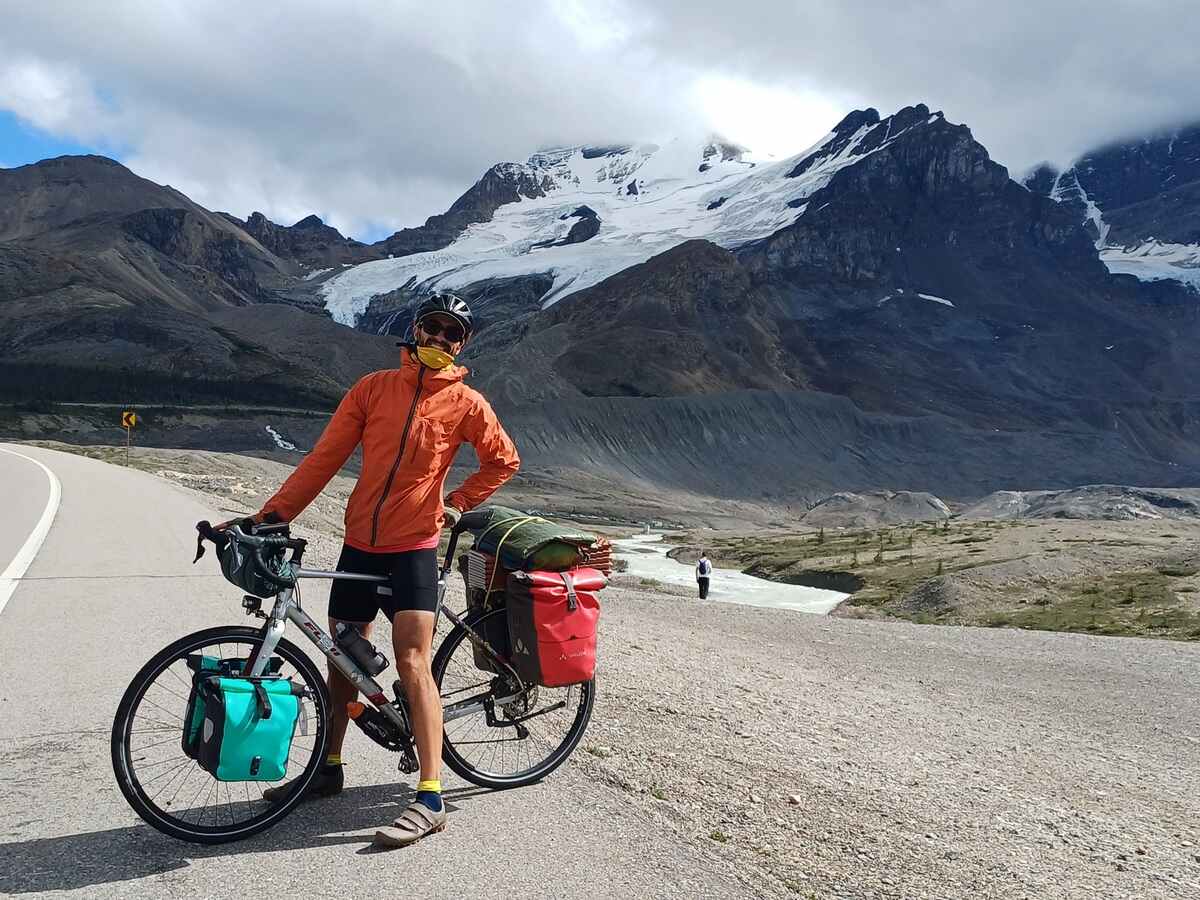
Cycling Across Canada: A Four-Month Journey to Remember
In 2011, I embarked on a backpacking adventure through Canada’s vast western landscapes, traversing by bus, hitchhiking, and embracing the spontaneous hospitality of the Canadian people. During this journey, I made a promise to myself: “One day, I’ll return to cross this country by bike.” Fourteen years later, that promise became a reality.
Planning the Expedition
As I approached my 40th birthday, the desire to fulfill this dream intensified. I took a sabbatical from work and meticulously planned my route: starting in Halifax and concluding in Vancouver. This direction was chosen to avoid the immediate climbs of the Rockies and to circle back to where my 2011 adventure began. The journey was to be shaped organically, with flexibility to adapt as the adventure unfolded.
Setting Off
In May, after flights from Milan to Paris and then to Halifax, I arrived in Canada. My bike, Colette, was loaded and ready. I had hoped for mild weather, as suggested by the Lonely Planet guide, but the reality was different. In Nova Scotia, the saying goes, “In the morning, it’s winter; in the afternoon, it’s summer,” depending on the winds and cyclones.
Nova Scotia
The first ten days along the western coast were marked by rain, wind, and cold. However, they also offered the solitude of vast, green, and empty roads. In Truro, I faced a decision: continue along the shorter western coast or venture into the wild southeast to experience the Cabot Trail—a scenic coastal route known for its breathtaking views and challenging terrain. Opting for the latter added 900 km and 9,000 meters of elevation gain to my journey, but it was a choice I didn’t regret.
New Brunswick
Crossing into New Brunswick, strong winds forced me to alter my itinerary, skipping some planned stops. I followed the St. John River from south to north, spending limited time in the region but cherishing a serendipitous visit to Sabian, a renowned cymbal manufacturer, which included a delightful barbecue with the owners.
Quebec
Entering Quebec, I encountered a new time zone, an abundance of mosquitoes, beautiful bike paths, and a language shift. Beyond two kilometers into the province, English was insufficient, and I had to rely on my limited French from school days. The Route Verte network offered stunning cycling routes, including RV8 along Lake Témiscouata, RV1 following the St. Lawrence River to Quebec City, RV5/Chamin du Roy leading to Montreal, and RV2/Petit Train du Nord heading north towards Val d’Or through the wild La Vérendrye Wildlife Reserve.
Quebec City, founded in 1608, is the oldest European settlement in Canada and was the site of the final battle that ended the French-English conflict. Montreal stood out for its cultural diversity, modernity, and vibrant atmosphere. A tip for future visitors: if planning a trip during the Formula 1 Grand Prix, ensure your dates don’t coincide, as the city becomes overwhelmingly chaotic.
Ontario
Entering Ontario via Hwy 101, I encountered solitary roads and frequent thunderstorms. Timmins reminded me of the challenges of cycling in cities, with traffic and road conditions. Reaching Lake Superior, I faced cold winds and fog from the south. On July 1st, Canada Day, I celebrated by repairing three flat tires in a single day, fortunately near Thunder Bay, where I found a bike shop and even attended a cyclist’s engagement party.
The Prairies
Leaving Ontario’s 250,000 lakes behind, I entered the vast plains of Manitoba and Saskatchewan, characterized by endless fields, grazing cows, hay bales, and relentless headwinds. I aimed to stay off the main Hwy 1 as much as possible but had to adjust due to wildfires and the resulting smoky, reddish foggy days. I reached Drumheller, Alberta, after navigating numerous highways, each with its own number and challenges.
Yukon and Alaska Highway
In Drumheller, I visited an incredible archaeological site before flying north to Whitehorse, Yukon. The idea to include the Alaska Highway emerged during my journey, and flying allowed me to avoid retracing the same 2,300 km by bike. In hindsight, cycling the Alaska Highway would have been feasible, but the decision was made.
British Columbia
From Whitehorse, I cycled the remote and scenic Hwy 37, known as the Stewart-Cassiar Highway, through mountains, forests, and vast distances. Despite mechanical issues and adverse weather, the journey was smooth. I joined more frequented roads along Hwy 16, passing through Kitwanga, Prince George, and Jasper. The Icefield Parkway, renowned for its stunning vistas, led me to Banff, traversing valleys guarded by immense mountains and glaciers.
In British Columbia, I cycled a segment of Hwy 1 through Glacier and Yoho National Parks to Revelstoke, then south along the tranquil Hwy 6 to Castlegar. From there, I ventured onto the Kettle Valley Rail Trail, a 600 km former railway converted into a cycling path. This trail, while scenic, proved challenging for a heavily loaded gravel bike and was better suited for lightweight mountain bikes.
Final Destination
The final stretch included a brief ride on Hwy 7 and 99 for a visit to Squamish, a climbing mecca, and a quick trip to Vancouver Island. Finally, I arrived in Vancouver, completing a journey of nearly 10,000 km (9,669 km to be exact) over four months. The initial tough days of acclimatization gave way to a rewarding experience in a magnificent country, offering vast spaces, silence, and unforgettable encounters with people.
Reflections
Looking back, I have two regrets: not cycling the Alaska Highway from Calgary to Whitehorse and not obtaining the necessary documents to cross the U.S. border. My previous