
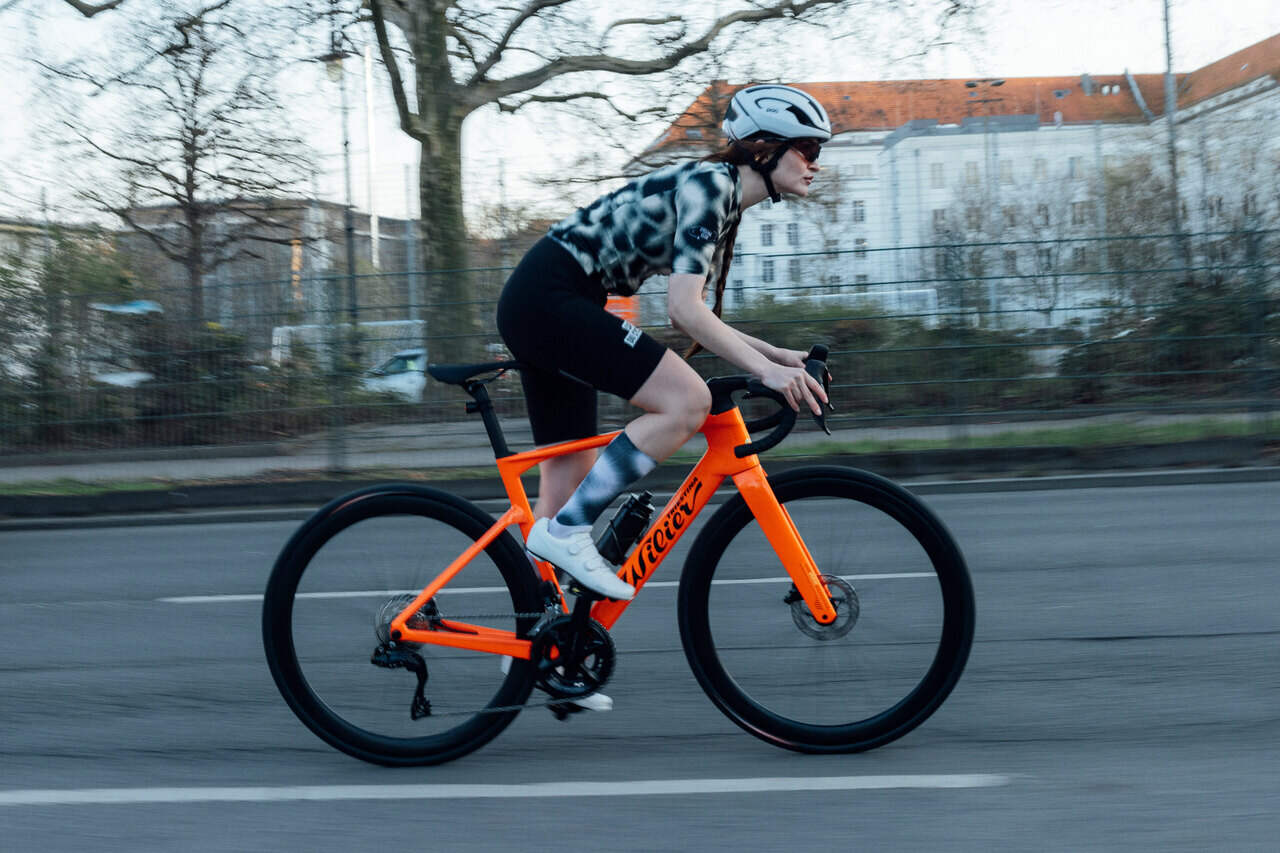
Selecting the right road bike is a pivotal decision for any cyclist, whether you’re a seasoned rider or just starting your journey. The market offers a plethora of options, each tailored to specific riding styles and preferences. To navigate this landscape effectively, consider the following key factors:
1. Define Your Riding Goals
Understanding your primary use for the bike is crucial. Are you aiming for competitive racing, long-distance touring, or casual weekend rides? Your objectives will influence the type of bike that best suits your needs.
2. Frame Materials and Geometry
The frame material significantly impacts the bike’s weight, stiffness, and ride quality. Common materials include:
-
Aluminum: Offers a balance between weight and cost, providing a responsive ride.
-
Carbon Fiber: Known for its lightness and vibration-damping properties, ideal for high-performance cycling.
-
Steel: Provides durability and comfort, often preferred for touring bikes.
Frame geometry dictates your riding position. Racing bikes feature aggressive geometries for aerodynamics, while endurance bikes offer more relaxed positions for comfort on longer rides.
3. Components and Drivetrain
The quality of components affects performance and longevity. Renowned groupsets from Shimano, SRAM, and Campagnolo offer varying levels of performance and price points. Consider the number of gears and the range they provide, especially if you plan to tackle hilly terrains.
4. Wheelsets and Tires
Wheels influence speed, handling, and comfort. Lighter wheels enhance acceleration, while deeper rims improve aerodynamics. Tire width and pressure affect ride quality; wider tires can offer more comfort and grip, especially on rough roads.
5. Fit and Comfort
A proper fit is paramount. An ill-fitting bike can lead to discomfort and inefficiency. Many bike shops offer fitting services to ensure the bike suits your body dimensions and riding style.
6. Budget Considerations
Set a realistic budget that encompasses the bike and essential accessories like a helmet, pedals, and appropriate clothing. Remember, investing in quality components can enhance your riding experience and reduce maintenance costs over time.
7. Test Rides and Reviews
Before making a decision, test ride multiple bikes to assess comfort and performance. Consulting expert reviews and seeking advice from experienced cyclists can provide valuable insights.
By carefully evaluating these aspects, you can select a road bike that aligns with your riding aspirations and offers a fulfilling cycling experience.
For a visual guide on choosing a road bike, you might find this video helpful:
How to Choose a Road Bike | REI