
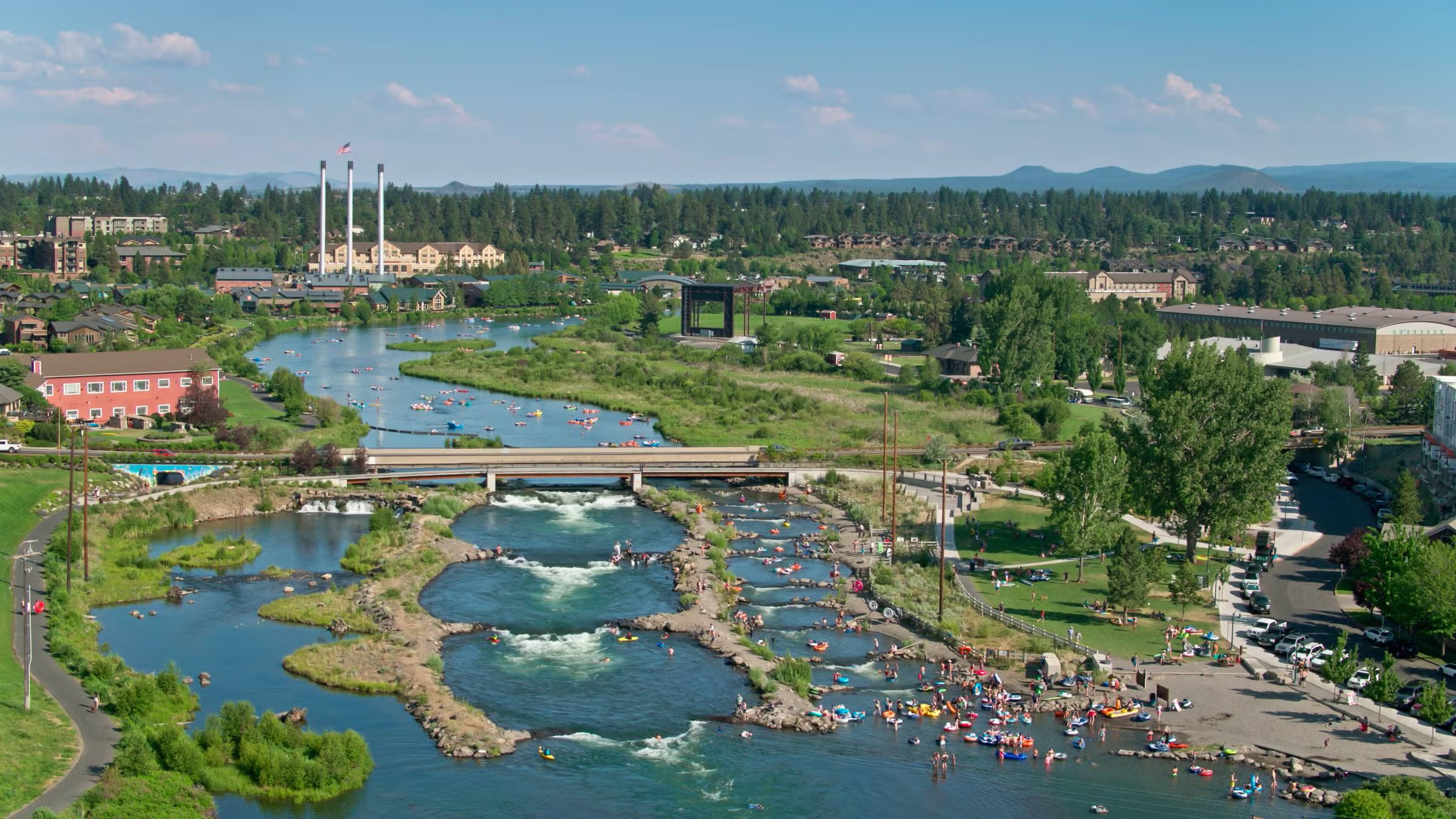
Bend, Oregon, renowned for its picturesque landscapes and outdoor recreational opportunities, has experienced a surge in tourism, leading to challenges such as overcrowded trails, congested rivers, and strained infrastructure. To address these issues, the city has implemented a strategic approach by leveraging tourist-generated revenue to enhance community amenities and promote sustainable tourism practices.
Tourism’s Economic Impact and Challenges
In 2024, Bend attracted nearly a million visitors, with approximately 90% engaging in outdoor activities. This influx contributed over $386 million to the local economy. However, the rapid growth in tourism has led to overcrowded trails, congested rivers, and increased pressure on local infrastructure, prompting the community to seek solutions that balance economic benefits with quality of life.
Utilizing Transient Lodging Tax (TLT) for Community Enhancement
A significant portion of the revenue generated from tourism comes from the Transient Lodging Tax (TLT), a 10.4% tax levied on short-term lodging stays within the city. This tax is allocated as follows:
-
35.4% to the Tourism Fund, managed by Visit Bend, which focuses on promoting tourism and funding tourism-related facilities.
-
64.6% to the General Fund, supporting essential city services such as police, fire departments, and road maintenance.
By directing a portion of TLT revenue to the Tourism Fund, Bend has been able to invest in projects that enhance both the visitor experience and the quality of life for residents.
Key Initiatives Funded by TLT Revenue
Over the past six years, the Bend Sustainability Fund, supported by TLT revenue, has invested nearly $4 million in various community projects, including:
-
Trail Restoration and Development: Enhancing and expanding popular trails to accommodate increased usage and preserve natural resources.
-
River Access Improvements: Establishing new access points and facilities along the Deschutes River to alleviate congestion and promote responsible recreation.
-
Cultural and Community Projects: Supporting local arts, culture, and community initiatives to enrich the city’s offerings and attract visitors during off-peak seasons.
Resident Sentiment and Future Outlook
Surveys conducted by the Sustainable Tourism Lab at Oregon State University-Cascades indicate a shift in resident sentiment. While initial studies showed that the costs of tourism outweighed the benefits, recent data suggests that the majority of residents now feel that the advantages of tourism surpass the drawbacks. This positive trend is attributed to the city’s proactive measures in reinvesting tourism revenue into community enhancements.
Conclusion
Bend’s innovative approach to managing overtourism through the strategic allocation of tourist taxes serves as a model for other communities facing similar challenges. By reinvesting a portion of tourism-generated revenue into infrastructure and community projects, Bend is fostering a sustainable tourism model that benefits both visitors and residents, ensuring the city’s natural beauty and resources are preserved for future generations.