
Selling Your Electric Bike: Trade-In, Store, or Private Sale
As the popularity of electric bikes (e-bikes) continues to surge, many riders find themselves contemplating the sale of their current models. Whether upgrading to a newer version or simply no longer needing your e-bike, understanding the best avenues for selling is crucial. This guide explores the primary options available in 2026: trade-ins, selling through stores, and private sales.
Understanding Your E-Bike’s Value
Unlike traditional bicycles, e-bikes depreciate at a different rate due to their electronic components. Factors influencing resale value include the bike’s age, battery health, brand reputation, and overall condition. For instance, a well-maintained e-bike from a reputable brand with a healthy battery can retain a significant portion of its original value.
1. Trade-In Options
Trade-ins offer a convenient way to sell your e-bike, especially if you’re considering purchasing a new one. Several retailers and platforms provide such services:
-
Upway: Specializing in refurbished e-bikes, Upway offers an online estimation tool where you can input details about your bike to receive an immediate valuation. If you accept the offer, they arrange for a free pickup and payment via bank transfer within 3 to 5 business days. (blackandbike.com)
-
Decathlon: In select locations, Decathlon accepts trade-ins for e-bikes equipped with Bosch or Shimano motors. The process involves an online estimation, followed by an in-store evaluation. Payment is made via bank transfer or store credit. (decathlon.fr)
-
Intersport: Intersport has expanded its trade-in services to include e-bikes of all brands. After an in-store assessment, they offer up to 55% of the bike’s original value in store credit. (commerce-associe.fr)
2. Selling Through Stores
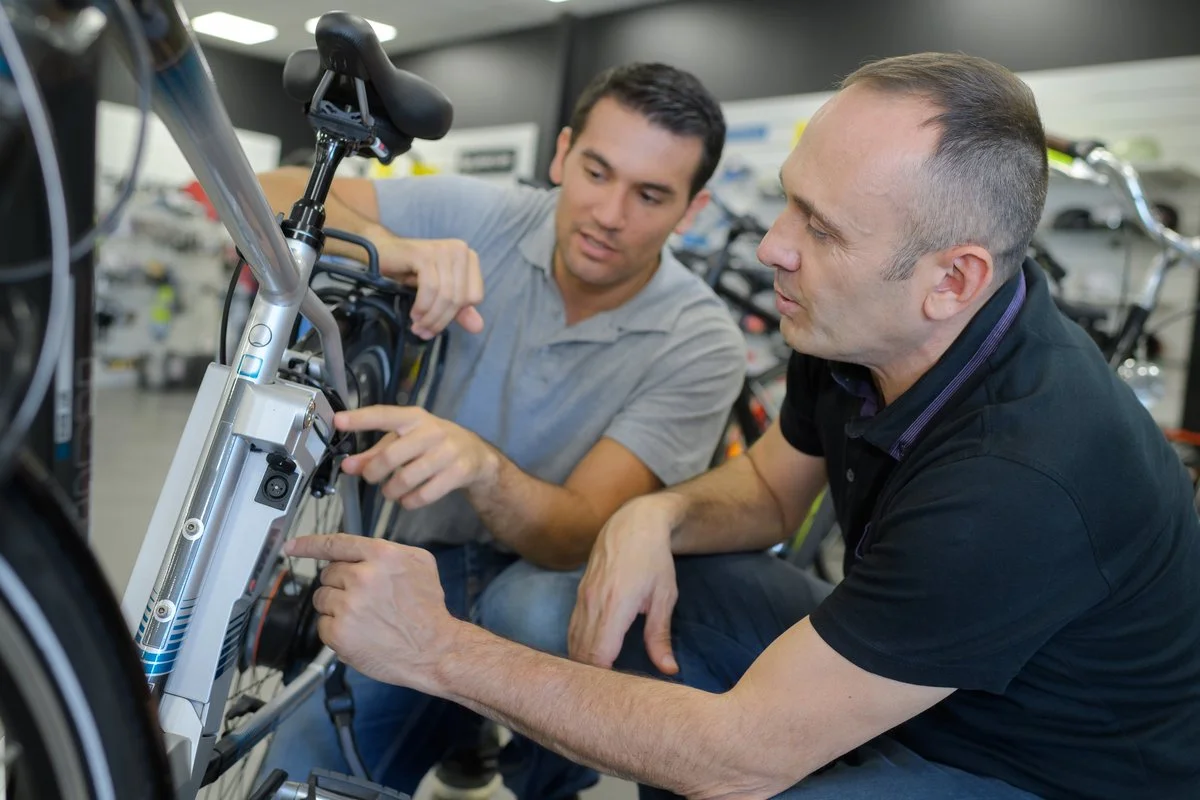
Many local bike shops and larger retailers offer consignment services, where they sell your bike on your behalf. This option can be beneficial if you prefer not to handle the sale process directly. The store typically charges a commission fee, which can vary. It’s essential to research and choose a reputable store to ensure a fair sale.
3. Private Sales
Selling your e-bike privately can yield a higher return, as you’re not sharing the proceeds with a retailer. To maximize your chances:
-
Set a Competitive Price: Research similar models and their market value. Consider factors like age, condition, and brand reputation.
-
Create a Detailed Listing: Provide clear, high-quality photos and a comprehensive description. Highlight unique features, maintenance history, and any recent upgrades.
-
Ensure a Safe Transaction: Meet potential buyers in public places, preferably during daylight hours. Accept secure payment methods and avoid sharing personal financial information.
Conclusion
Deciding how to sell your e-bike in 2026 depends on your priorities, whether it’s convenience, maximizing profit, or a combination of both. Trade-ins and store sales offer ease and security, while private sales can provide a higher return with a bit more effort. By understanding each option and preparing accordingly, you can make an informed decision that aligns with your needs.