
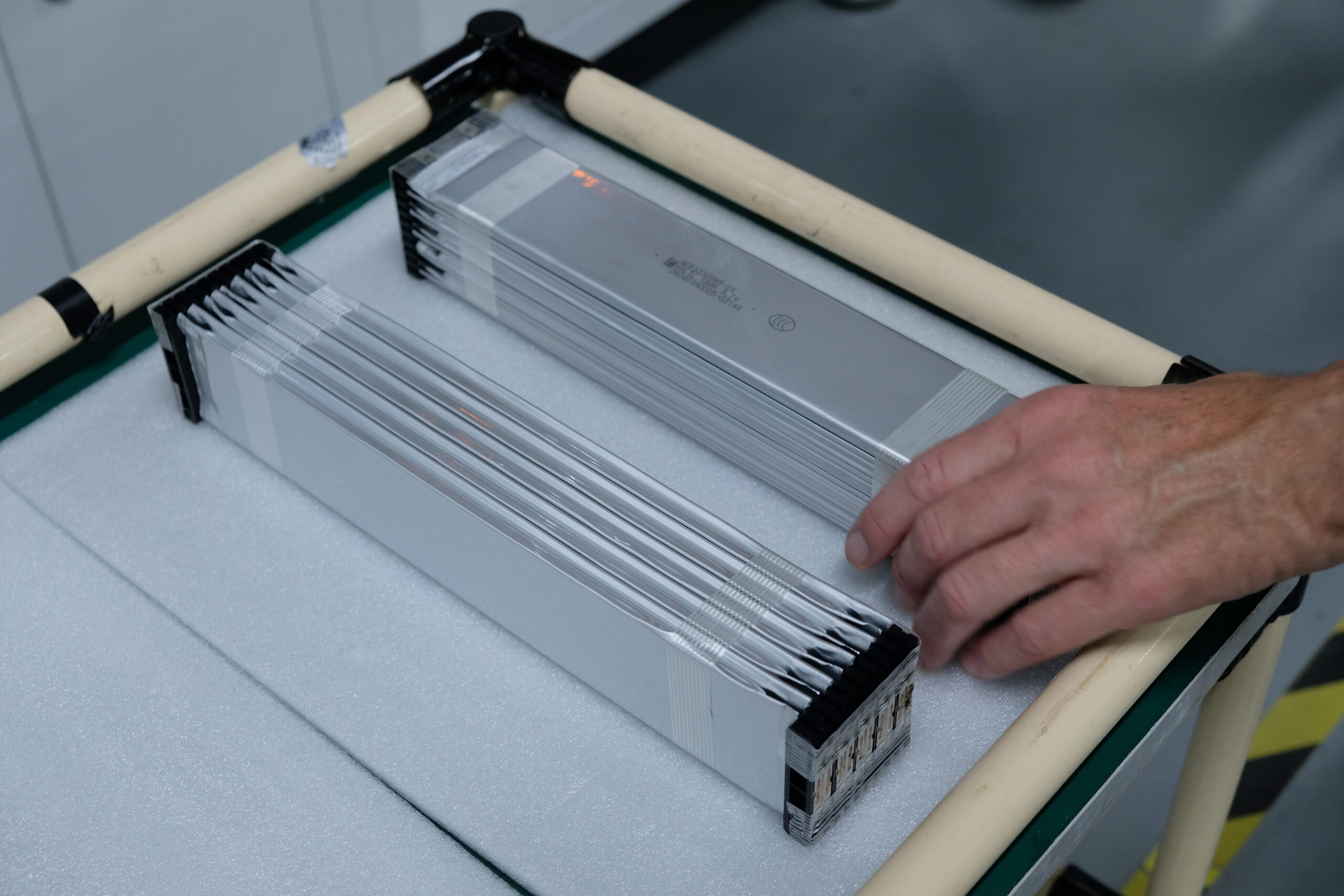
In recent years, the e-bike industry has witnessed significant advancements in battery technology, particularly with the emergence of semi-solid-state batteries. These batteries offer a promising alternative to traditional lithium-ion cells, addressing several of their inherent limitations.
Advancements in Semi-Solid-State Battery Technology
Semi-solid-state batteries represent a hybrid between conventional lithium-ion batteries and fully solid-state designs. They utilize a gel-like electrolyte, combining the benefits of both solid and liquid components. This configuration enhances safety by reducing flammability risks and improves energy density, leading to longer ranges for e-bikes.
Industry Adoption and Developments
Several prominent e-bike manufacturers have begun integrating semi-solid-state batteries into their models:
-
Giant Manufacturing: As the world’s largest bicycle producer, Giant is preparing to launch an e-bike equipped with a semi-solid-state battery. This initiative marks a significant step forward in e-bike battery technology, moving beyond traditional lithium-ion chemistries. (electrek.co)
-
T&D (a subsidiary of Bafang): T&D has commenced the production of semi-solid-state batteries tailored for e-bikes. These batteries are designed to be safer and more efficient, addressing common issues associated with lithium-ion batteries. (e-biketools.com)
-
Ride1Up: This manufacturer has introduced the world’s first e-bike featuring a semi-solid-state battery, setting a new benchmark in the industry. (tesevo.com)
Benefits Over Traditional Lithium-Ion Batteries
The shift towards semi-solid-state batteries offers several advantages:
-
Enhanced Safety: The gel-like electrolyte reduces the risk of fires and explosions, a common concern with traditional lithium-ion batteries.
-
Improved Energy Density: These batteries provide higher energy density, translating to longer riding ranges on a single charge.
-
Faster Charging Times: Semi-solid-state batteries can be charged more quickly, minimizing downtime for riders.
-
Extended Battery Life: They exhibit greater durability, leading to a longer overall lifespan compared to conventional batteries.
Challenges and Future Outlook
Despite the promising benefits, the widespread adoption of semi-solid-state batteries faces challenges:
-
Cost Considerations: Currently, these batteries are more expensive to produce than traditional lithium-ion batteries, which may result in higher e-bike prices for consumers.
-
Manufacturing Scalability: Scaling up production to meet global demand requires significant investment and technological advancements.
However, as production processes mature and economies of scale are realized, it’s anticipated that the cost of semi-solid-state batteries will decrease, making them more accessible to a broader audience.
Conclusion
The integration of semi-solid-state batteries into e-bikes signifies a pivotal moment in the evolution of electric cycling. With enhanced safety, improved performance, and longer battery life, these batteries are poised to redefine the e-bike experience. As more manufacturers adopt this technology, consumers can look forward to a new era of reliable and efficient electric bicycles.