
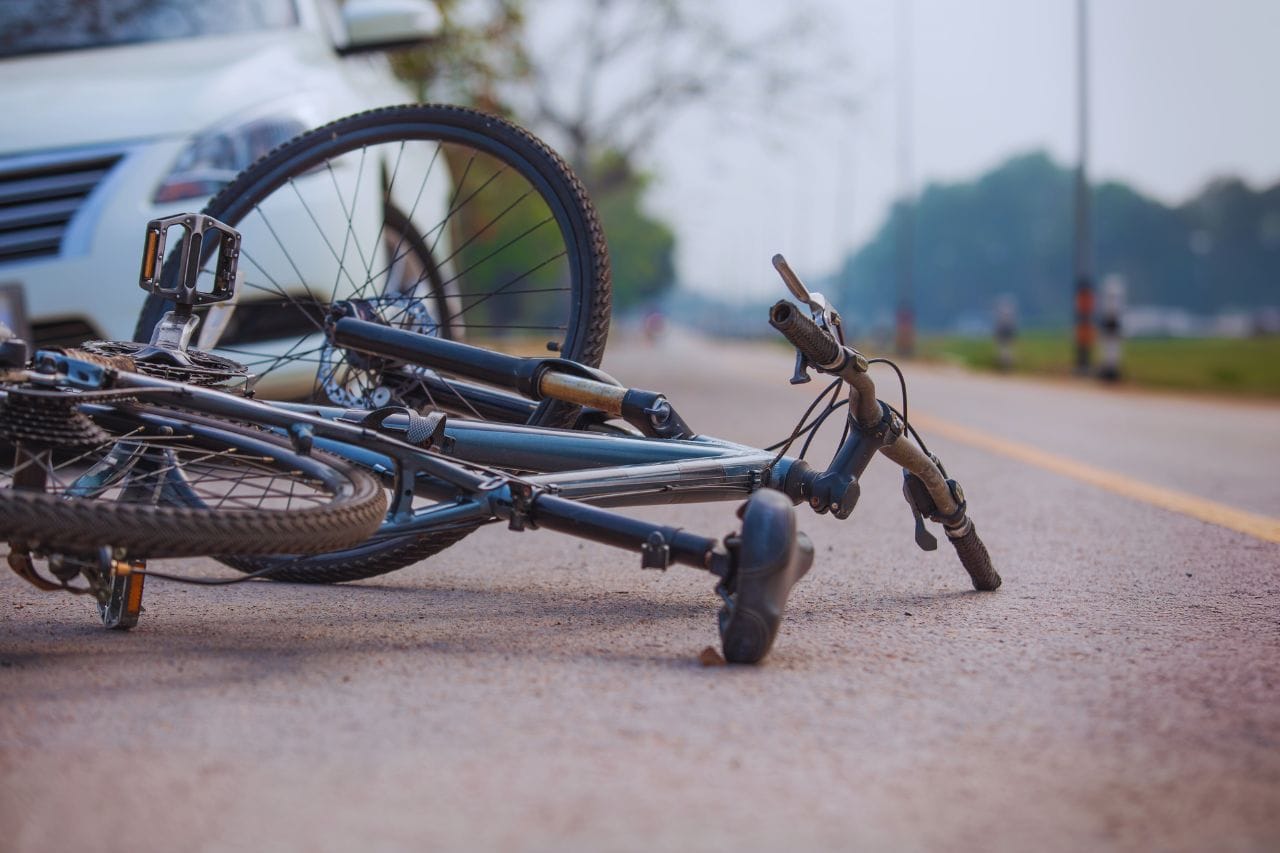
Cycling has become a cornerstone of European mobility, offering environmental and health benefits. However, the safety of cyclists has not improved at the same pace. A recent report by the European Transport Safety Council (ETSC) highlights this issue, revealing that cyclist fatalities in the EU have barely declined over the past decade, even as deaths among car occupants have decreased at a much faster rate. (etsc.eu)
The Safety Gap
In 2024, 1,926 cyclists were killed on EU roads. Over the decade from 2014 to 2024, cyclist deaths fell by just 8%—an average annual reduction of only 0.5%. In contrast, deaths among motorised road users fell at an annual rate of 2%, four times faster. (etsc.eu)
Key Risk Factors
The ETSC report identifies several factors contributing to cyclist fatalities:
-
Interaction with Motor Vehicles: Approximately two-thirds of fatal cyclist accidents involve collisions with motor vehicles, particularly cars. (etsc.eu)
-
Infrastructure Issues: Many cycling networks in Europe are still discontinuous or lack adequate standards, leading to unsafe conditions for cyclists. (etsc.eu)
-
Underreporting of Incidents: Many cycling accidents, especially those without motor vehicle involvement, are not accurately recorded in official statistics, obscuring the true scale of the problem. (etsc.eu)
E-Bike Safety Concerns
The rise of e-bikes has introduced new challenges:
-
Increased Fatalities: While traditional bicycle fatalities have slowly decreased, deaths involving e-bikes have risen sharply, particularly among older riders. (etsc.eu)
-
Age Demographics: Older adults, especially those over 80, are increasingly using e-bikes to maintain independence but face higher risks in the event of a crash. (etsc.eu)
Recommendations for Improvement
To enhance cyclist safety, the ETSC recommends:
-
Implementing 30 km/h Speed Limits: Establishing lower speed limits in urban areas can significantly reduce the severity of accidents and improve safety for all road users. (etsc.eu)
-
Developing Protected Cycling Infrastructure: Investing in dedicated, well-designed cycling lanes and networks can provide safer routes for cyclists, reducing interactions with motor vehicles. (etsc.eu)
-
Improving Data Collection: Enhancing the accuracy and comprehensiveness of accident reporting can help in understanding the true extent of cycling-related incidents and inform better policy decisions. (etsc.eu)
Conclusion
As cycling continues to grow in popularity across Europe, addressing these safety concerns is imperative. By implementing targeted measures such as speed reductions, protected infrastructure, and improved data collection, we can create a safer environment for cyclists, encouraging more people to choose cycling as a sustainable and healthy mode of transport.
Highlights:
- ‘In cycling, you had to choose between performance and safety’ – Van Rysel announces a new airbag-equipped aero skinsuit, Published on Friday, April 10
- Airbags a step closer to the pro peloton as UCI opens consultation process, Published on Monday, February 23
- GPS tracking devices to become mandatory as Lappartient warns ‘UCI will have no option but to enforce’ the technology if teams refuse to collaborate, Published on Wednesday, March 18