
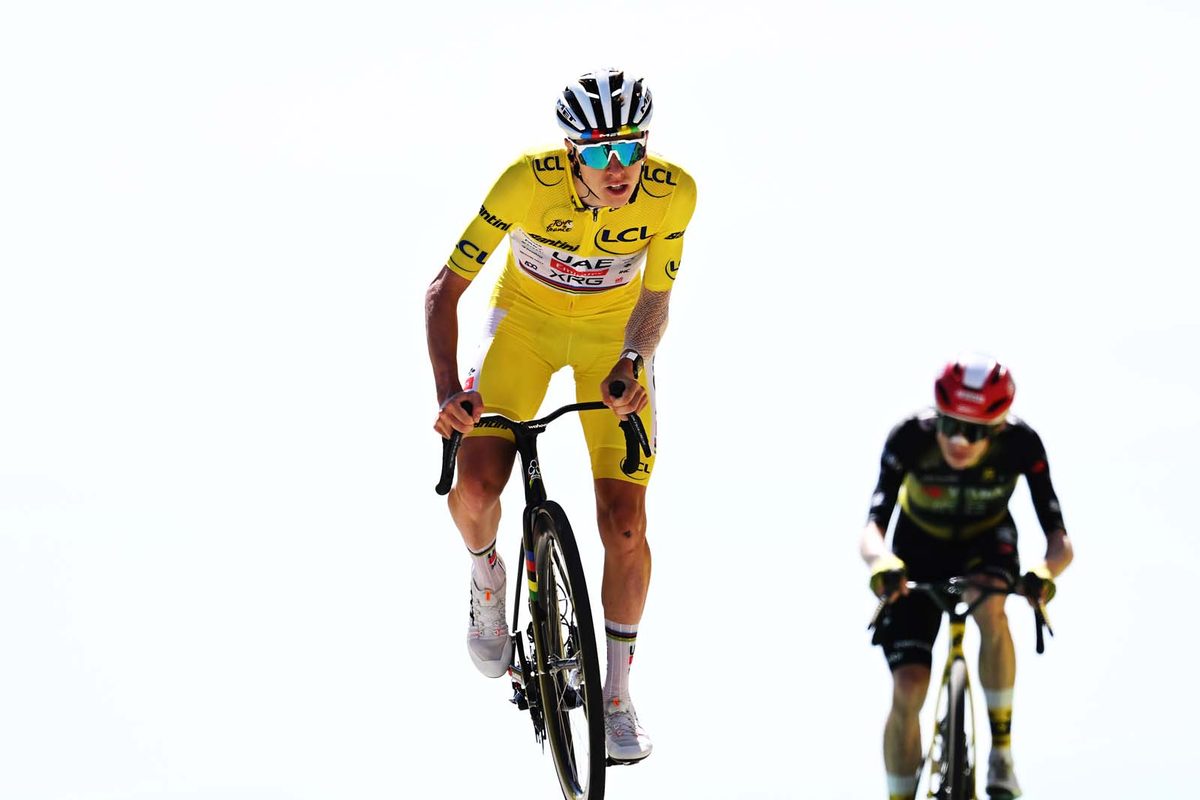
The 2026 Tour de France, commencing on July 4 in Barcelona and concluding on July 26 in Paris, spans 3,333 kilometers with a total elevation gain of 54,450 meters. (cyclingnews.com) This year’s route is a formidable challenge, featuring a rare team time trial, early Pyrenean ascents, and iconic climbs like Alpe d’Huez.
Stage 1: Barcelona to Barcelona (Team Time Trial)
The Tour kicks off with a 19.7 km team time trial in Barcelona, marking the first such opening since 1971. The course includes two laps of Montjuïc, testing teams’ cohesion and individual riders’ time trial abilities. (franceletour.com)
Stage 2: Tarragona to Barcelona
This 178 km stage introduces the Côte de Begues, a new climb, before returning to Barcelona for a circuit around Montjuïc. The hilly finale favors puncheurs and breakaway specialists. (franceletour.com)
Stage 3: Granollers to Les Angles
A 196 km mountain stage with a summit finish at Les Angles. Riders face the Toses and Calvaire climbs before the final ascent, testing climbers early in the race. (franceletour.com)
Stage 4: Carcassonne to Foix
This stage offers a mix of flat and hilly terrain, potentially allowing for a breakaway or a sprint finish, depending on team strategies.
Stage 5: Lannemezan to Pau
A relatively flat stage, likely to end in a bunch sprint, providing sprinters an opportunity to showcase their speed.
Stage 6: Pau to Gavarnie-Gèdre
A demanding mountain stage featuring the Col d’Aspin and Col du Tourmalet, culminating in a summit finish at Gavarnie-Gèdre. This stage is expected to be a pivotal point for general classification contenders. (tour-magazin.de)
Stage 7: Hagetmau to Bordeaux
A flat stage through the Landes forests, likely concluding with a sprint finish along the Garonne River.
Stage 8: Périgueux to Bergerac
Another stage suited for sprinters, with minimal elevation gain as the route follows the Dordogne River.
Stage 9: Malemort to Ussel
A challenging stage with two significant climbs and 3,300 meters of elevation gain, potentially leading to selection among the general classification riders.
Rest Day
The first rest day on July 13 allows riders to recover before the next set of stages.
Stage 10: Aurillac to Le Lioran
A mountainous stage featuring the Col de la Griffoul, Pas de Peyrol, and Col de Pertus, with a final climb to the ski station at Le Lioran. This stage is expected to be a battleground for climbers.
Stage 11: Vichy to Nevers
A stage likely to favor sprinters, with a flat profile and a finish in Nevers, the home of Look bikes.
Stage 12: Circuit Magny-Cours to Chalon-sur-Saône
Another flat stage through the vineyards, potentially ending in a bunch sprint. Chalon-sur-Saône was the site of Great Britain’s first Tour stage win in 1959.
Stage 13: Dole to Belfort
The longest stage of the Tour at 205 kilometers, featuring the Ballon d’Alsace climb before a descent to Belfort. The final 5 kilometers include an 800-meter stretch at 8%, offering opportunities for breakaways. (cyclingstage.com)
Stage 14: Mulhouse to Le Markstein Fellering
A double loop through the Vosges Mountains, crossing the Grand Ballon and finishing at Le Markstein. The Col du Haag, an 11.2 km climb with an average gradient of 7.3%, is a highlight.
Stage 15: Champagnole to Plateau de Solaison
A mountainous stage with a final climb to Plateau de Solaison, averaging 9.1% over 11.3 kilometers. This stage is expected to be decisive for the general classification.
Rest Day
The second rest day on July 20 provides a brief respite before the final mountain stages.
Stage 16: Evian-les-Bains to Thonon-les-Bains (Individual Time Trial)
A 26 km individual time trial along the shores of Lake Geneva, featuring a mix of climbs, descents, and flat sections. This is the only individual time trial of the Tour.
Stage 17: Chambery to Voiron
A stage with moderate climbs, potentially allowing sprinters to contest the finish if they’ve survived the preceding mountain stages.
Stage 18: Voiron to Orcières-Merlette
A challenging stage with significant elevation gain, likely to be a battleground for climbers aiming to make a mark before the final mountain stages.
Stage 19: Gap to Alpe d’Huez
The first of two stages finishing atop Alpe d’Huez, featuring three climbs before the final ascent. This stage is expected to be crucial for general classification contenders.
Stage 20: Le Bourg d’Oisans to Alpe d’Huez
A demanding stage with 5,600 meters of elevation gain, including the Col de la Croix de Fer, Col du Télégraphe, Col du Galibier, and a final ascent to Alpe d’Huez via the Col de Sarenne. This stage is expected to be decisive for the overall winner.
Stage 21: Thoiry to Paris
The final stage includes three ascents of the Montmartre climb, 15 kilometers