
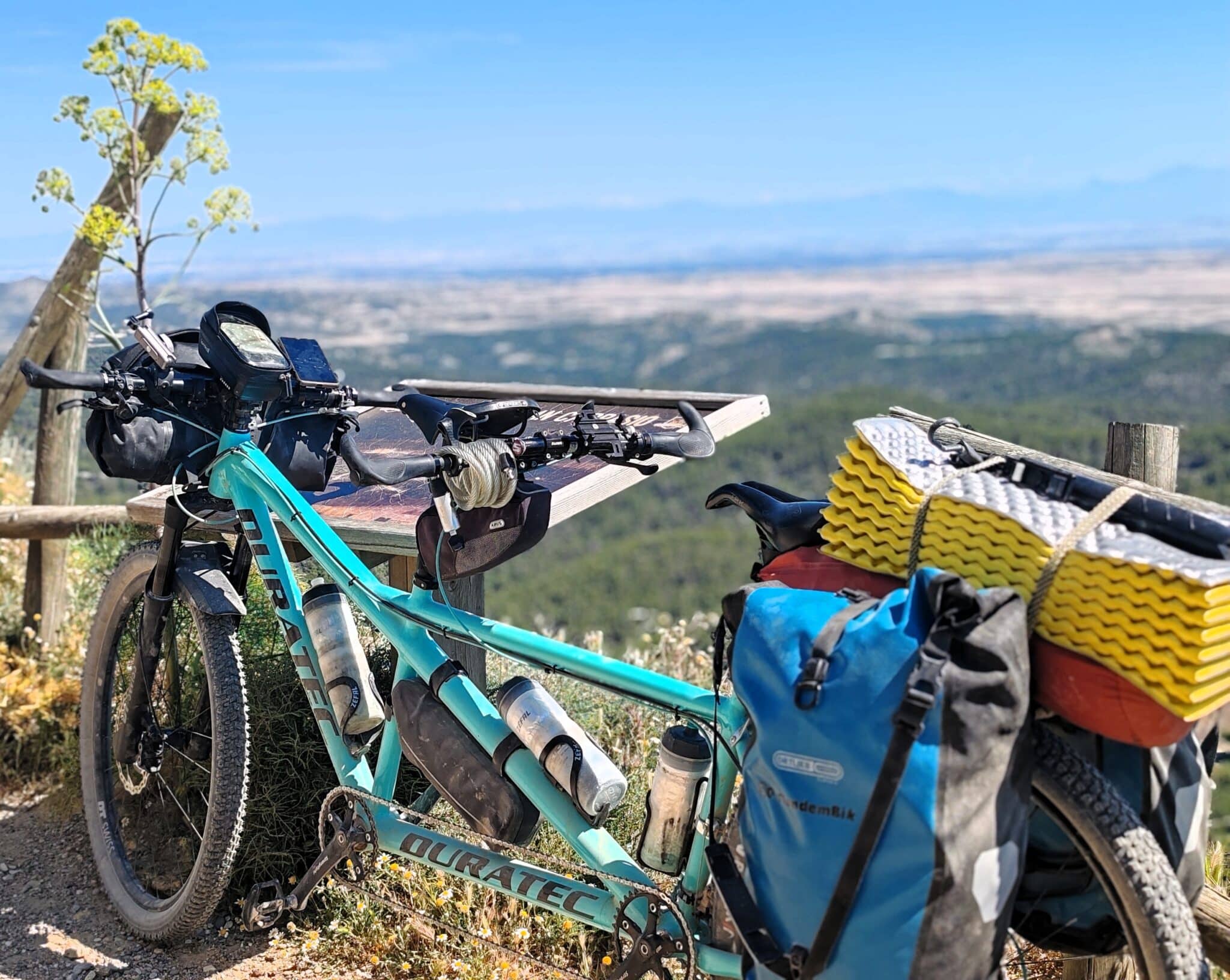
Exploring Tandem Bicycle Travel: A Comprehensive Guide
Embarking on a journey aboard a tandem bicycle offers a unique and enriching experience, blending the joys of cycling with the camaraderie of shared adventure. Whether you’re a seasoned cyclist or a newcomer, understanding the nuances of tandem travel can enhance your journey.
Advantages of Tandem Cycling
-
Unified Pace and Synchronization
Tandem bicycles enable riders of varying fitness levels to travel together seamlessly. The synchronized pedaling ensures a consistent speed, eliminating the disparities often encountered when cycling solo. This harmony allows for uninterrupted conversations and shared experiences throughout the ride. (bicycling.nl)
-
Enhanced Speed and Efficiency
The combined power of two riders propels the tandem to speeds that often surpass those of individual cyclists. This efficiency is particularly advantageous on flat terrains and descents, where the tandem’s momentum and reduced air resistance come into play. (bicycling.nl)
-
Inclusive Cycling Experience
Tandem bikes serve as an excellent solution for individuals with visual impairments or mobility challenges. By pairing with a sighted pilot, riders can enjoy the thrill of cycling, fostering inclusivity and shared enjoyment. (bikeradar.com)
-
Strengthened Bond and Shared Memories
Riding a tandem fosters a deep sense of connection between partners. The shared effort and synchronized movements create a unique bond, transforming each ride into a memorable experience. (bicycling.nl)
Considerations and Challenges
-
Maneuverability and Handling
Tandem bicycles have a larger turning radius, making sharp turns and navigating through tight spaces more challenging. This requires practice and coordination between riders to ensure smooth handling. (bikeradar.com)
-
Climbing Difficulties
The added weight of a tandem can make uphill climbs more strenuous compared to solo cycling. Riders may need to adjust their expectations and pace when tackling inclines. (lesbicycleurs.com)
-
Transportation and Storage
Transporting a tandem bicycle can be cumbersome due to its size. Options include using specialized bike racks, disassembling the bike for storage, or utilizing vehicles with sufficient space. (tandemcycleworks.com)
Selecting the Right Tandem Bicycle
When choosing a tandem bike, consider the following factors:
-
Frame Size and Fit
Ensure the tandem accommodates both riders comfortably. Adjustable components can help tailor the fit to individual needs. (cyclesite.co.uk)
-
Wheel Strength and Durability
Opt for wheels designed to handle the increased weight and stress of tandem cycling. Larger spoke counts and reinforced rims are advisable. (bikeradar.com)
-
Gearing and Drivetrain
A wide gear range is essential to tackle various terrains effectively. Consider tandems with robust drivetrains capable of handling the combined power output. (bikeradar.com)
-
Braking System
Reliable and powerful brakes are crucial for safety, especially when descending. Hydraulic disc brakes with larger rotors are recommended for optimal performance. (bikeradar.com)
Embarking on Your Tandem Adventure
Riding a tandem bicycle is more than just a mode of transportation; it’s an opportunity to create lasting memories and strengthen connections. By understanding the benefits and challenges, and selecting the appropriate equipment, you can embark on a tandem journey that is both enjoyable and fulfilling.