
The Unseen Cost of the Gig Economy: How Shrinking Pay Fuels the Rise of Illegal Vehicles
In the bustling streets of urban centers, the gig economy has become a cornerstone of modern life. Delivery workers, often seen zipping through traffic on electric bikes and scooters, are the lifeblood of services like food and package delivery. However, beneath the surface of this convenience lies a pressing issue: the proliferation of illegal, unregistered vehicles among gig workers, driven largely by diminishing pay rates.
The Surge of Two-Wheeled Deliveries
Recent data underscores a significant shift in delivery methods. Between 2024 and 2025, DoorDash reported that deliveries using two-wheeled vehicles—such as bikes, e-bikes, and scooters—grew nearly four times faster than those using cars in the U.S. and Canada. Cities like San Francisco, Seattle, and San Jose led this trend, with two-wheeled deliveries accounting for 64% to 72% of total deliveries in 2025. (axios.com)
This shift is not merely a trend but a response to urban challenges. Two-wheeled vehicles offer advantages like reduced emissions, less noise, and the ability to navigate congested areas swiftly. For delivery workers, they present a cost-effective alternative to cars, with lower operational expenses and the ability to bypass traffic. (ebicycles.ai)
The Economic Pressures on Delivery Workers
Despite the advantages, gig economy workers face financial strains. In major U.S. cities, couriers earn between $400 and $1,000 weekly, with top earners working during peak hours. However, the increasing number of riders has led to a decrease in per-delivery pay, making it challenging to sustain a livelihood. (lomidriver.com)
This financial pressure has led some workers to seek faster, more efficient means of delivery. Modified electric bikes and scooters, often unregistered and illegal, have become prevalent. These vehicles, sometimes reaching speeds up to 50 mph, are not designed for urban delivery and pose significant safety risks. (jtnylaw.com)
Regulatory Responses and Challenges
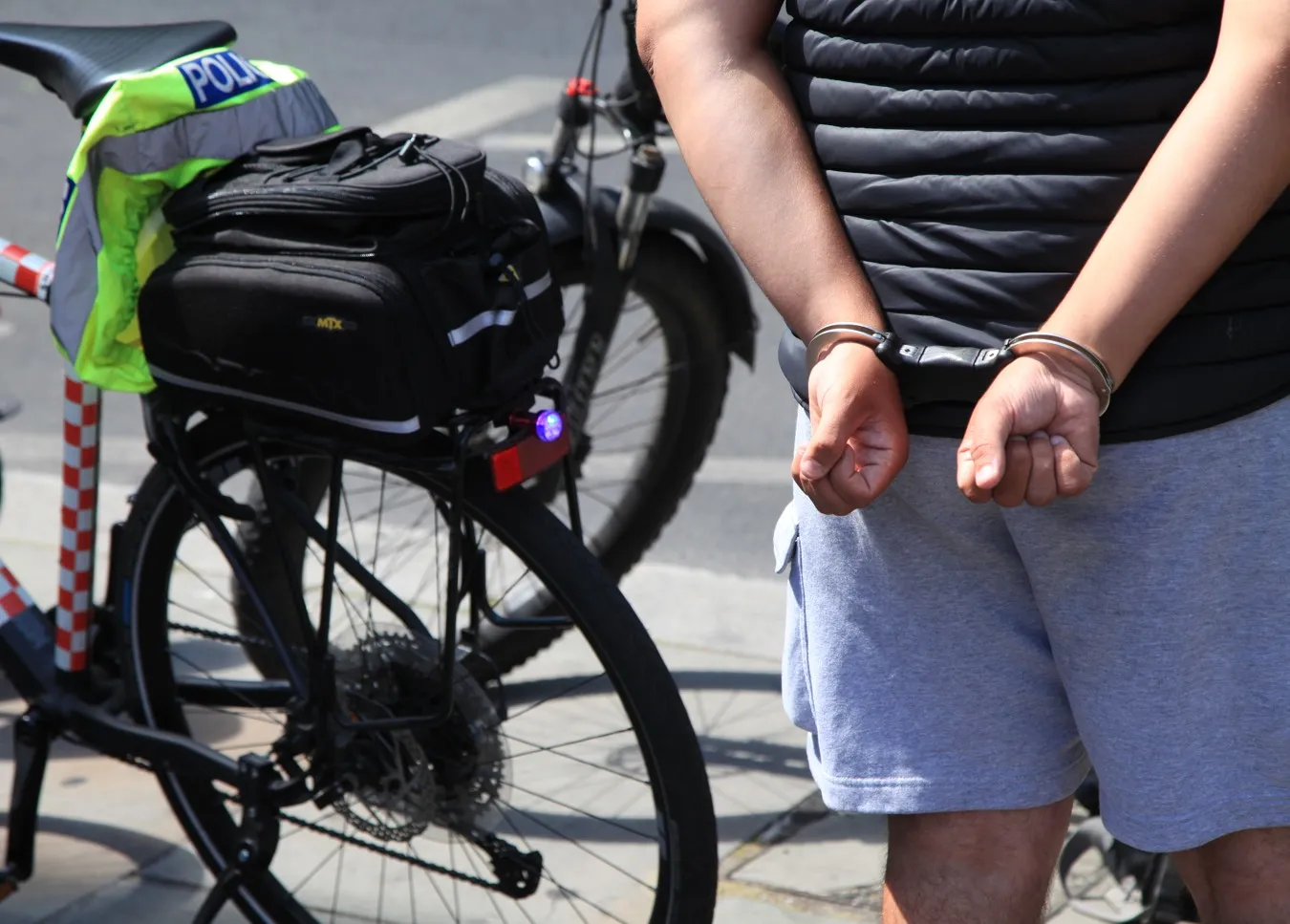
Cities are grappling with the rise of illegal vehicles in the gig economy. In New York City, a citywide 15 mph speed limit for e-bikes and e-scooters was implemented in October 2025. By 2026, the NYPD and Sanitation had seized and crushed thousands of illegal high-speed devices. (jtnylaw.com)
Similarly, Boston City Councilor Ed Flynn proposed prohibiting third-party delivery services from allowing e-bikes and mopeds to be used for deliveries, citing safety concerns. (nbcboston.com)
The Path Forward
Addressing the issue requires a multifaceted approach:
-
Fair Compensation: Delivery platforms must ensure that pay rates are sufficient to cover operational costs and provide a livable wage.
-
Vehicle Standards: Clear regulations defining legal e-bikes and scooters are essential. For instance, New York State defines an e-bike as a bicycle that is no more than 36 inches wide, has a motor under 750 watts, and has fully operable pedals. (getwhizz.com)
-
Safety Training: Mandatory safety training for all delivery workers can help mitigate risks associated with high-speed, unregistered vehicles.
-
Infrastructure Investment: Cities should invest in infrastructure that supports safe and legal e-bike use, including dedicated lanes and charging stations.
By addressing these areas, we can create a gig economy that is both efficient and equitable, ensuring the safety of workers and the public alike.