
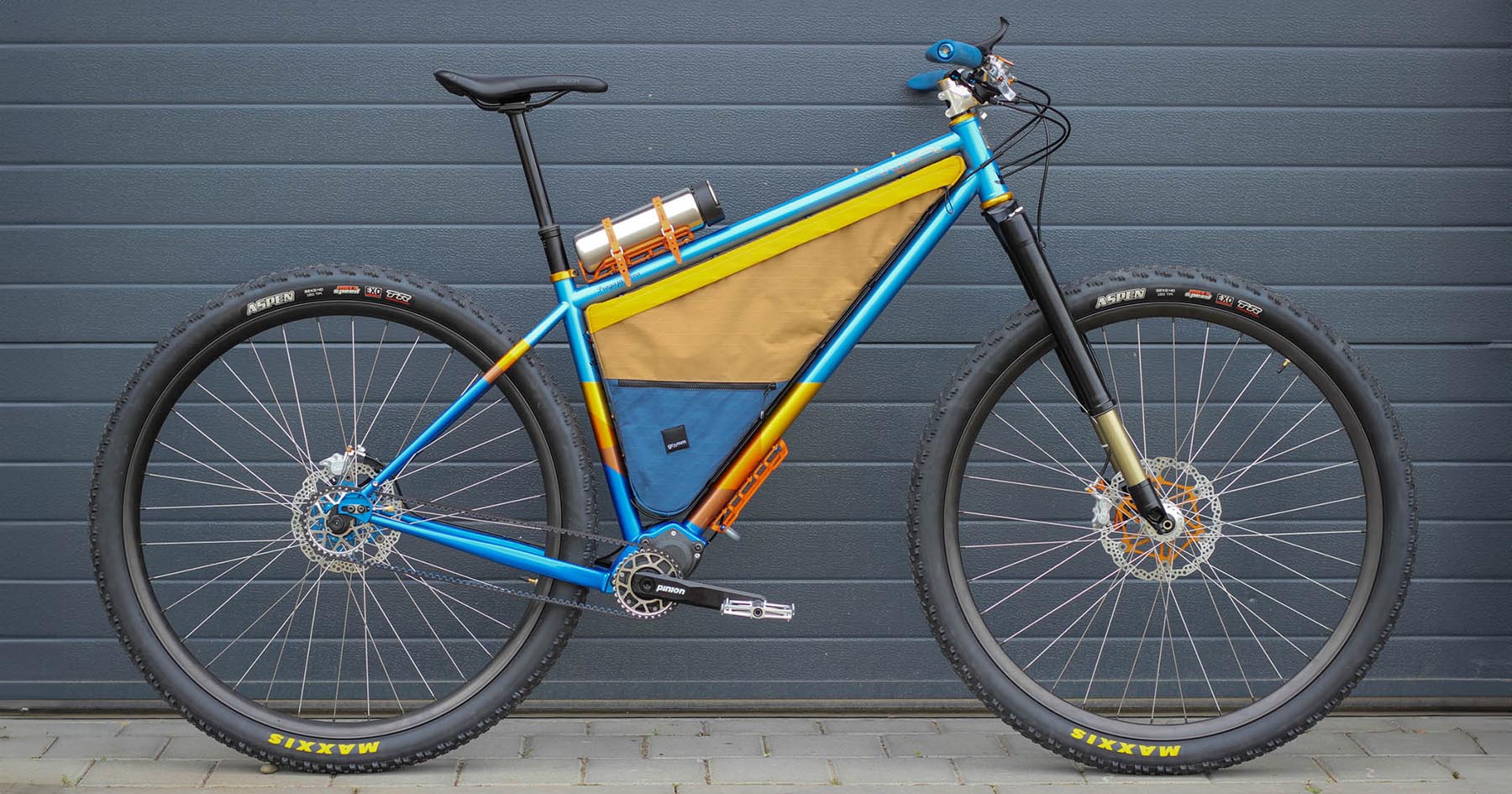
In the evolving landscape of mountain biking, the emergence of 32-inch wheels has sparked significant interest among enthusiasts and manufacturers alike. This innovative wheel size offers potential advantages in stability, traction, and comfort, particularly on challenging terrains.
The Rise of 32-Inch Wheels
The cycling industry has witnessed a surge in the development and adoption of 32-inch wheels. Notably, Schwalbe has announced the launch of its first 32-inch gravel tyres, the G-One RS Pro and G-One RX Pro, scheduled for release in April 2027. These tyres, available in 50mm and 55mm widths, cater to the growing interest in 32-inch gravel bikes, expected to debut in late 2026. Schwalbe cites benefits such as increased stability, traction, and comfort. (cyclingweekly.com)
Similarly, Rene Herse has introduced a thermoplastic polyurethane (TPU) inner tube designed specifically for the 32-inch bicycle wheel standard. Weighing only 66 grams and supporting tyres from 45 to 68mm wide, this tube addresses the emerging needs of the 32-inch wheel market. (cyclingweekly.com)
Innovative 32-Inch Bike Models
Several manufacturers have unveiled 32-inch bike models, highlighting the industry’s commitment to this new standard. Mason Cycles, in collaboration with Hunt Bike Wheels, introduced the Macro32, an adventure hardtail featuring 32-inch wheels. This model builds upon Mason’s existing Macro29 bikepacking design, integrating larger wheels to enhance rollover capabilities and speed. (bikeradar.com)
Esker Cycles has also embraced the 32-inch trend with the Lorax 32, a drop-bar mountain bike that maintains the brand’s commitment to versatility and adventure. The Lorax 32 incorporates 22 attachment points for various adventure accessories, including top tube, rack, and fender mounts. (eskercycles.com)
Industry Adoption and Challenges
The Union Cycliste Internationale (UCI) has confirmed that 32-inch bicycles will be permitted in mountain bike competitions starting in 2026, marking a significant shift in the sport’s equipment standards. (as.com) However, challenges remain, particularly in adapting geometry for smaller riders due to the sizable wheel diameter. The increased wheel size can lead to issues such as toe overlap and longer wheelbases, which may affect handling and fit. (cyclingweekly.com)
Conclusion
The introduction of 32-inch wheels represents a notable advancement in mountain biking, offering potential benefits in performance and rider experience. As more manufacturers develop compatible components and bikes, and as riders become more accustomed to this wheel size, the 32-inch standard may become a significant presence in the cycling world.
Highlights:
- Schwalbe goes large with its first 32-inch gravel tyres – but where are the bikes to use them with?, Published on Friday, September 18
- Rene Herse launches 32-inch TPU tube as the big-wheel movement gathers pace, Published on Monday, August 17
- Off-road is buzzing over 32-inch wheels – is road cycling next?, Published on Thursday, August 27