
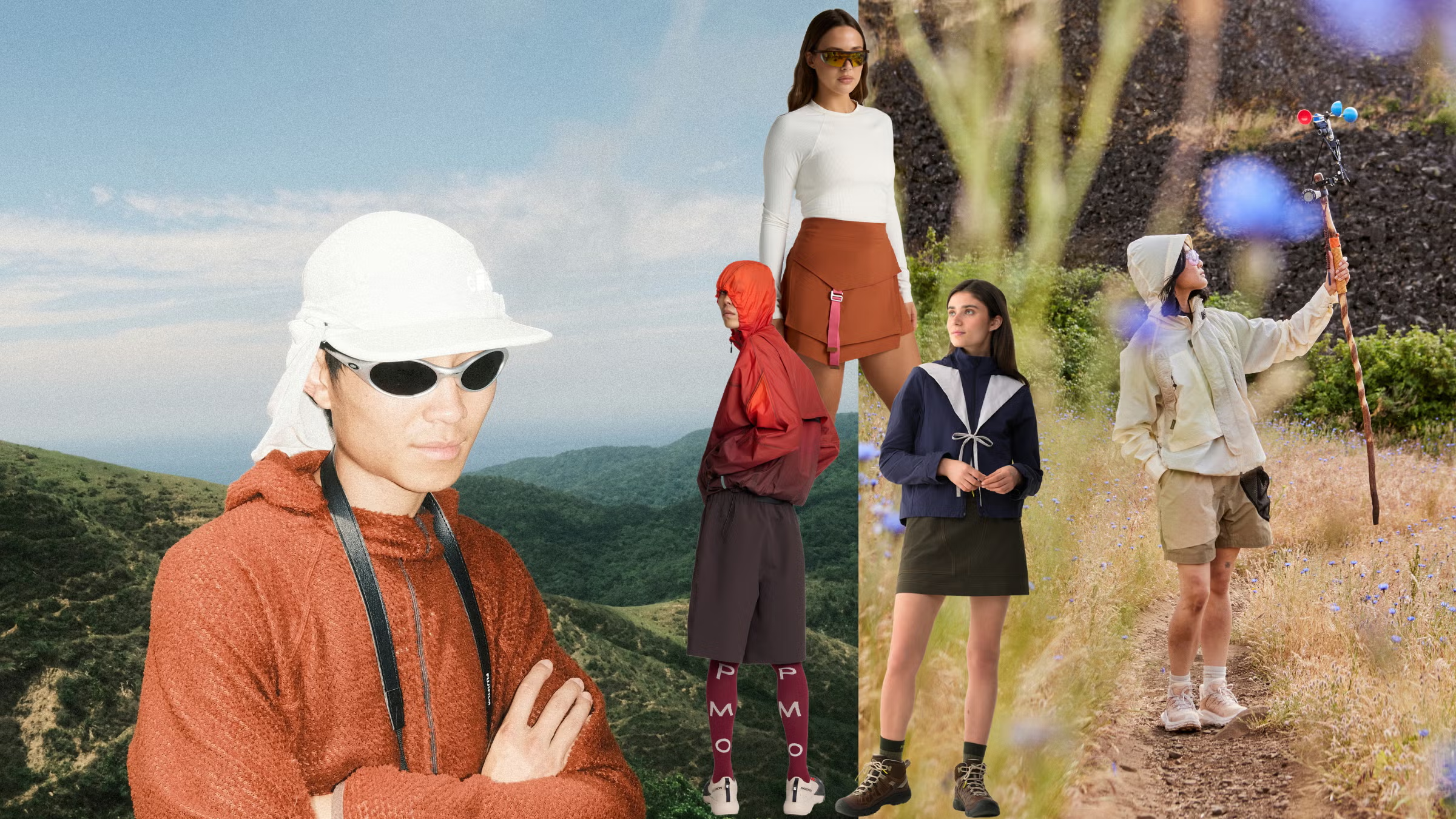
The hiking uniform has remained largely unchanged since the 1980s, characterized by blocky boots, khaki nylon pants, pilling fleeces, and stiff rain shells in mismatched colors. This utilitarian aesthetic, rooted in the function-first philosophy of brands like Patagonia, The North Face, and REI, prioritized performance over style. However, a new wave of fashion designers is challenging this traditional look, introducing innovative designs that blend functionality with contemporary fashion trends.
Gorpcore: The Intersection of Outdoor Gear and Street Fashion
One significant trend reshaping hiking apparel is “Gorpcore,” a fashion movement that merges outdoor gear with urban streetwear. The term “Gorpcore” derives from “GORP,” hiker slang for “Good Old Raisins and Peanuts,” the trail mix that fuels long treks. This aesthetic incorporates technical outdoor gear—such as fleece jackets, cargo pants, and trail-running sneakers—into everyday city outfits. In 2026, Gorpcore has evolved into “Quiet Outdoors,” focusing on high-quality, muted technical trainers suitable for both office settings and muddy trails. (beggshoes.com)
Innovative Brands Redefining Hiking Apparel
Emerging brands are at the forefront of this transformation, offering designs that challenge traditional hiking attire:
-
Gnuhr: Founded by Nur Abbas in 2023, Gnuhr applies a fashion-trained eye to the ultralight hiking world. Their minimalist camp sandals, produced using 3D printing technology, are lightweight and flexible, catering to both performance and style. Abbas, with experience at Louis Vuitton, Maison Margiela, and Yeezy, debuted Gnuhr at the Pacific Crest Trail Days in Cascade Locks, Oregon, signaling a shift in priorities from traditional fashion events.
-
Hikerkind: Established in 2021 by New York–based fashion stylists Chelsea Rizzo and Allison Levy, Hikerkind offers elegant performance womenswear. They aim to provide women with more freedom to decide how they want to present themselves outdoors, moving away from the “shrink it and pink it” era that often reduced women’s gear to smaller cuts and brighter colors.
-
Seniq: This brand focuses on high-visibility designs, such as their fleece in hi-vis pink, catering to women who no longer have to choose between looking outdoorsy and looking cute. Seniq emphasizes that today’s outdoorswoman is multifaceted, encompassing roles like artist and businesswoman, and their gear reflects this diversity.
The Evolution of Hiking Fashion
The integration of fashion and function in hiking apparel reflects a broader cultural shift. The pandemic-era outdoor boom and the rise of Gorpcore have blurred the lines between technical apparel and everyday fashion. Designers are now measuring style equally against performance, ensuring that gear is not only functional but also aligns with personal identity. This evolution is particularly meaningful for women, who, as of 2023, make up 51.9 percent of outdoor participants. Brands like Hikerkind and Seniq are leading the charge in offering gear that empowers women to express their style without compromising on performance.
Conclusion
The traditional hiking uniform, established in the 1970s and 1980s, is being reimagined by a new generation of designers who prioritize both functionality and style. Brands like Gnuhr, Hikerkind, and Seniq are at the forefront of this movement, offering innovative designs that cater to the modern hiker’s desire for performance, comfort, and personal expression. As the lines between outdoor gear and street fashion continue to blur, the future of hiking apparel looks both functional and fashionable.