
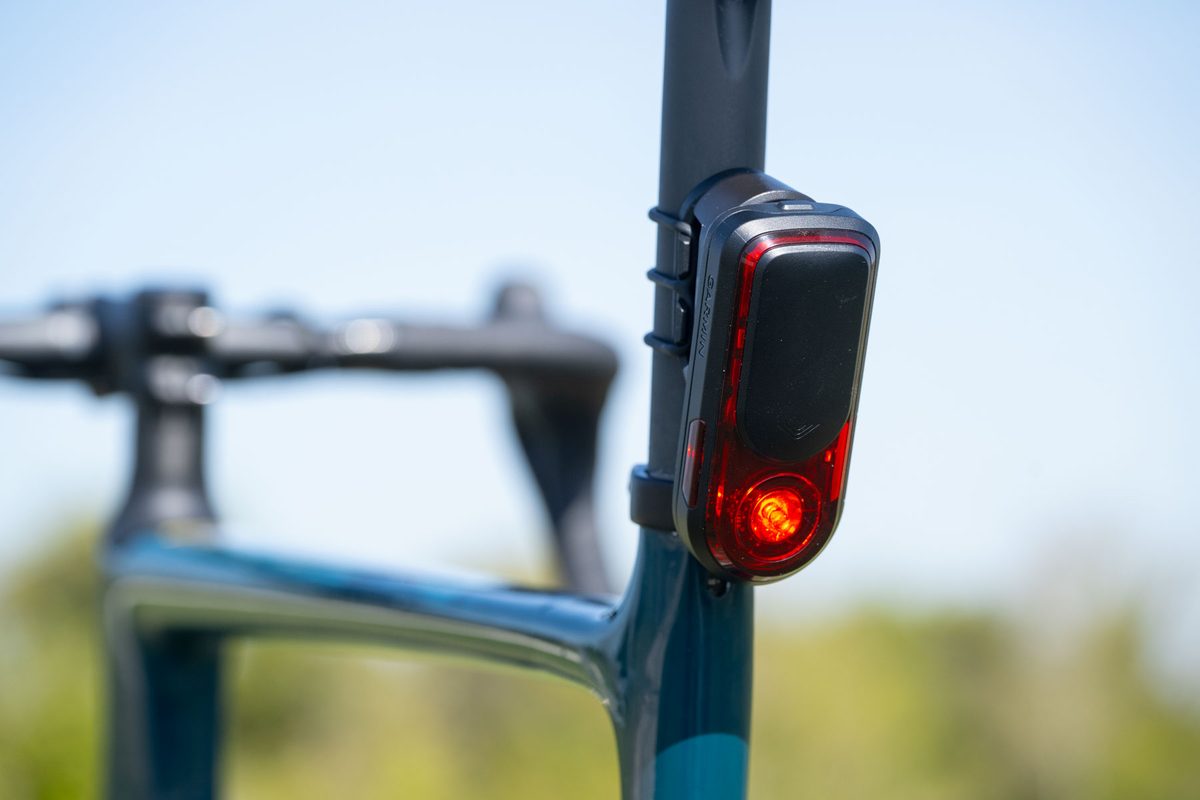
Rearview radar bike lights have revolutionized cycling safety by alerting riders to approaching vehicles from behind, enhancing situational awareness and reducing collision risks. These devices combine powerful rear lights with radar technology, providing real-time warnings of oncoming traffic. In 2026, several models have emerged as top contenders in this category.
Garmin Varia RearVue 820
The Garmin Varia RearVue 820 stands at the forefront of rearview radar technology. This device utilizes a 60 GHz radar system, offering a detection range of up to 175 meters and a 60-degree field of view. It distinguishes between vehicle types—such as cars, trucks, and motorcycles—and identifies their position and lane with enhanced precision. The RearVue 820 features a USB-C charging port, a replaceable battery, and a brake light function that activates upon deceleration. Its integration with Garmin’s ecosystem, including bike computers and wearables, provides advanced alerts and notifications. Priced at £259.99/$299.99, it offers a premium solution for cyclists seeking top-tier safety features. (cyclingweekly.com)
Garmin Varia RTL515
The Garmin Varia RTL515 remains a strong contender in the rearview radar market. It offers a detection range of up to 140 meters with a 50-degree field of view. The device is compatible with various bike computers and smartphones, providing visual and audible alerts. Its light output reaches up to 65 lumens, and it boasts a battery life of up to 16 hours in night flash mode. The RTL515 is praised for its reliable performance and ease of use, making it a solid choice for cyclists seeking dependable radar functionality. (cyclist.co.uk)
Wahoo Elemnt Trackr Radar
Wahoo’s Elemnt Trackr Radar offers a competitive alternative with its dual LED design, providing both focused rearward illumination and side visibility. It features a detection range of up to 150 meters with a 35-degree field of view. The device integrates seamlessly with Wahoo’s bike computers and supports smart settings to extend battery life. Its battery lasts up to 20 hours in low flash mode and 10 hours in high steady mode. The Trackr Radar is recognized for its user-friendly interface and effective radar alerts, offering a balanced mix of performance and value. (bikeradar.com)
Lezyne Radar Drive Rear
Lezyne’s Radar Drive Rear combines radar functionality with a powerful 300-lumen rear light. It offers a detection range of up to 140 meters with a 35-degree field of view. The device can be paired with Lezyne’s React Drive front light, providing visual and audible alerts without the need for a separate bike computer. Its battery life extends up to 20 hours in day flash mode and 6 hours in solid mode. The Radar Drive Rear is noted for its robust build quality and ease of use, making it a practical choice for cyclists seeking an integrated lighting and radar solution. (bicycling.com)
Magene L508 Radar Tail Light
For those seeking a budget-friendly option, the Magene L508 Radar Tail Light offers essential radar features at a lower price point. It provides a detection range of up to 140 meters with a 40-degree field of view. The device supports ANT+ and Bluetooth connectivity and offers customizable lighting modes through the Magene Utility App. Its battery life is competitive, and visibility is commendable, making it a strong contender for cost-conscious cyclists. (cyclingweekly.com)
Conclusion
In 2026, rearview radar bike lights have become indispensable tools for enhancing cyclist safety. The Garmin Varia RearVue 820 leads with its advanced features and integration capabilities, while the Garmin Varia RTL515 and Wahoo Elemnt Trackr Radar offer reliable performance with user-friendly interfaces. Lezyne’s Radar Drive Rear provides an integrated lighting and radar solution, and the Magene L508 offers essential features at a more accessible price point. When selecting a rearview radar bike light, consider factors such as detection range, integration with existing devices, battery life, and budget to find the best fit for your cycling needs.