
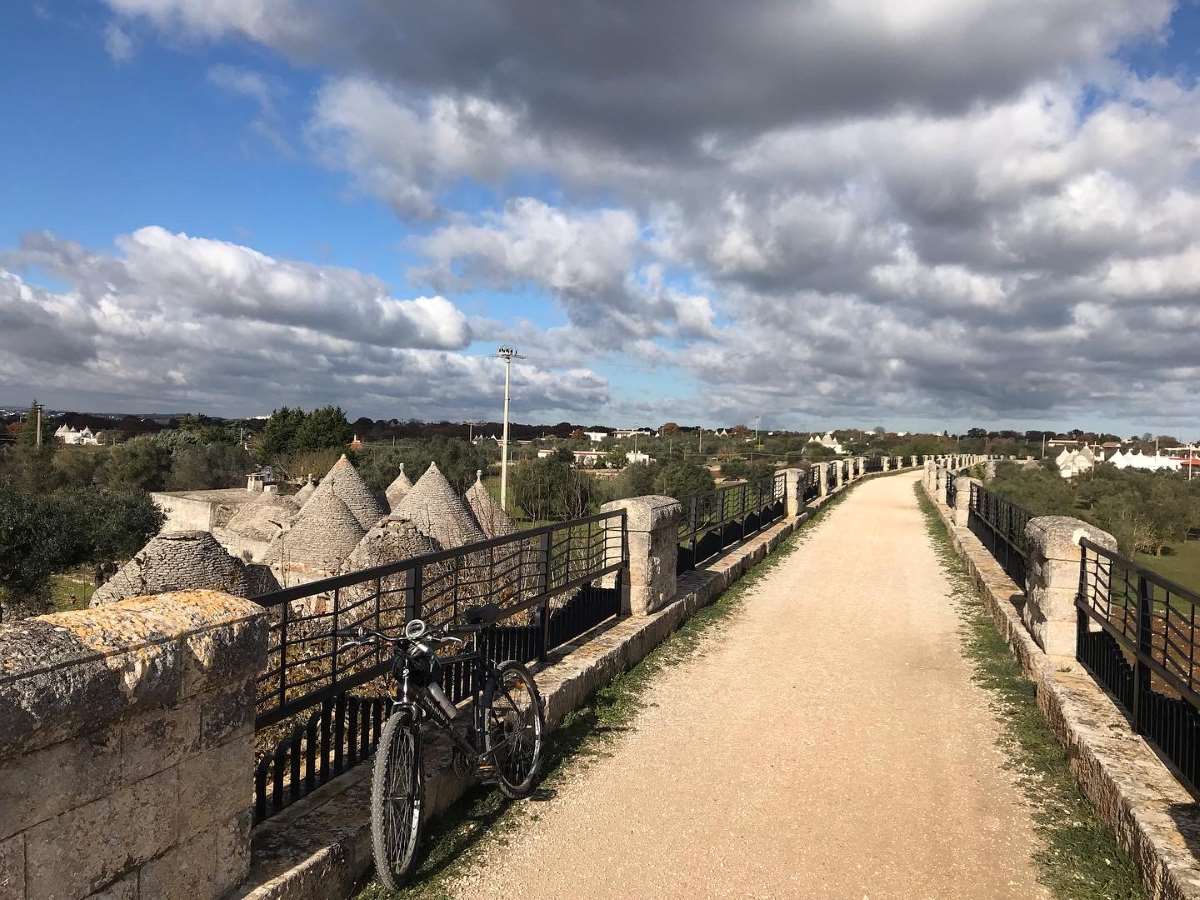
Puglia, a region in southern Italy, is rapidly emerging as a premier cycling destination, offering a blend of coastal beauty, historic towns, and diverse landscapes. With its extensive network of cycling routes, Puglia caters to both leisurely riders and seasoned cyclists seeking adventure.
Expanding Cycling Infrastructure
The regional government has been proactive in developing a comprehensive network of cycling paths that traverse cities, historic villages, and picturesque countryside. A notable project is the Ciclovia dell’Acquedotto Pugliese, a trail that follows the historic Apulian Aqueduct, providing cyclists with a unique journey through the heart of the region. This route is part of the National Cycling Itinerary No. 11 (Ciclovia degli Appennini) and is recognized as the second European cycling path along an aqueduct. (regione.puglia.it)
Diverse Cycling Routes
Puglia offers a variety of cycling routes catering to different preferences:
-
Coastal Rides: The Polignano a Mare to Monopoli coastal road is a 25 km route featuring turquoise coves and limestone cliffs, ideal for a scenic ride. (bikehirepuglia.com)
-
Valle d’Itria Loop: A 75 km loop passing through Ostuni, Cisternino, Locorotondo, and Alberobello, showcasing rolling hills, trulli houses, and vineyards. (bikehirepuglia.com)
-
Adriatic Coast: The 45 km stretch from Lecce to Otranto offers a flat terrain along the Adriatic Sea, perfect for a leisurely ride. (bikehirepuglia.com)
Cycling-Friendly Amenities
To enhance the cycling experience, Puglia has developed various amenities:
-
Bike Rentals: Numerous shops across the region offer a range of bicycles, including e-bikes, catering to different needs. (awesomepuglia.com)
-
Accommodations: Many hotels and agriturismos are bike-friendly, providing facilities like secure bike storage and repair services.
-
Signage and Maps: Clear signage and detailed maps are available to guide cyclists along the routes, ensuring a safe and enjoyable journey.
Sustainable Tourism and Economic Impact
The development of cycling infrastructure aligns with Puglia’s commitment to sustainable tourism. By promoting cycling, the region aims to distribute tourist flows throughout the year, reducing seasonal congestion and generating economic opportunities in less-visited areas. The integration of cycling paths with local communities encourages the exploration of rural areas, supporting local businesses and preserving cultural heritage.
Conclusion
Puglia’s dedication to becoming Italy’s leading cycling destination is evident through its expanding network of well-maintained routes, diverse landscapes, and supportive infrastructure. Whether you’re a casual rider or an avid cyclist, Puglia offers an enriching experience that combines natural beauty, history, and the joy of cycling.