
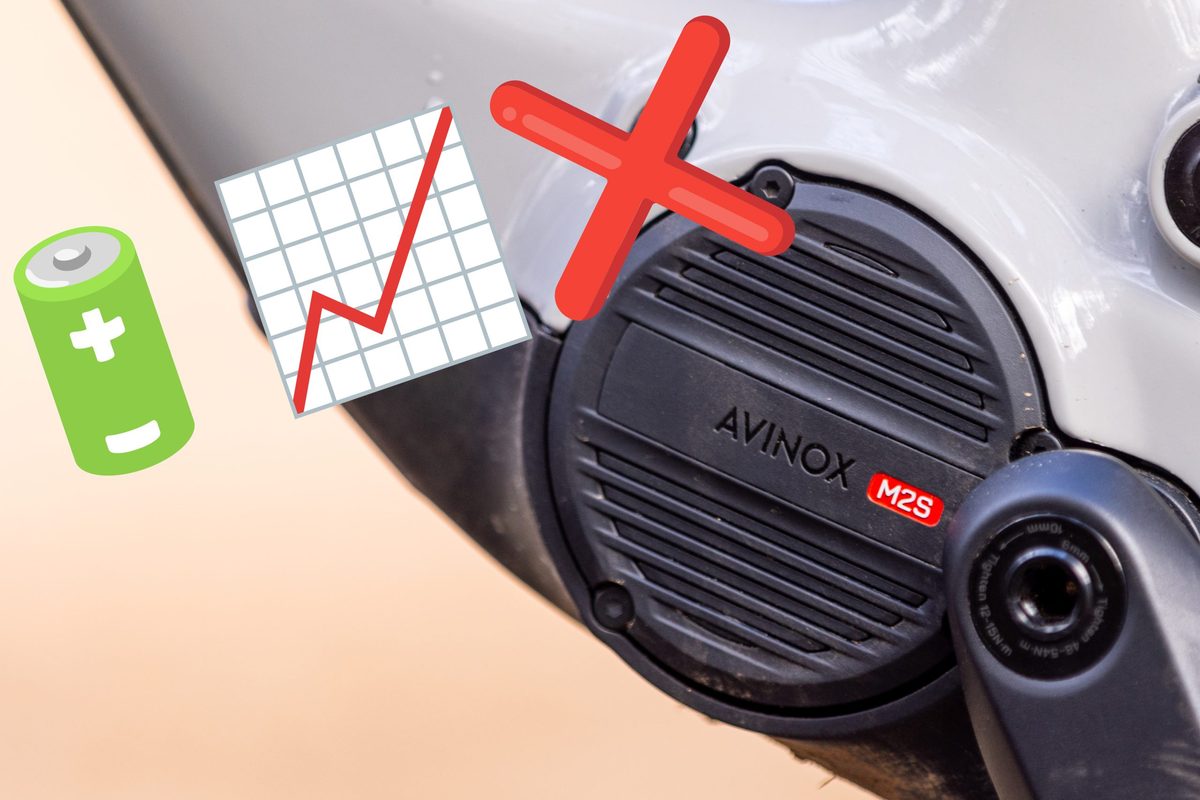
Avinox’s recent unveiling of the M2S motor, boasting a peak power of 1,500W, has ignited a fervent debate within the cycling community regarding the regulation of e-bike motor outputs. This development follows the brand’s earlier M1 motor, which, after a firmware update, achieved 1,000W, further intensifying discussions on e-bike power limits. (bikeradar.com)
In contrast, industry leaders Shimano and Bosch offer motors with peak powers of 500W and 750W, respectively, underscoring Avinox’s significant departure from these standards. (bikeradar.com)
The European Union and the United Kingdom regulate e-bikes under the Electrically Assisted Pedal Cycles (EAPC) directive, capping continuous rated power at 250W and limiting assistance to speeds up to 25.5 km/h. These regulations are designed to maintain the classification of e-bikes as bicycles, thereby exempting them from more stringent vehicle laws. (bikeradar.com)
The introduction of the M2S motor has raised concerns about the potential reclassification of high-powered e-bikes as motor vehicles, which could necessitate licensing, insurance, and registration. This shift could also impact access to certain trails and cycling infrastructure. (velomotion.net)
Advocates for higher power outputs argue that advancements like the M2S motor enhance performance, particularly on challenging terrains, without necessarily altering the fundamental nature of e-bikes. They emphasize that, with appropriate regulations, such innovations can coexist with traditional cycling practices. (bikeradar.com)
Conversely, critics express apprehension that the proliferation of high-powered e-bikes could lead to conflicts with traditional cyclists, especially on shared trails, and may prompt regulatory bodies to impose stricter controls on e-bike specifications. (bikeradar.com)
As the e-bike industry continues to evolve, the balance between innovation and regulation remains a pivotal topic. Stakeholders, including manufacturers, cyclists, and policymakers, must engage in ongoing dialogue to establish guidelines that foster technological progress while preserving the integrity and accessibility of cycling as a whole.