
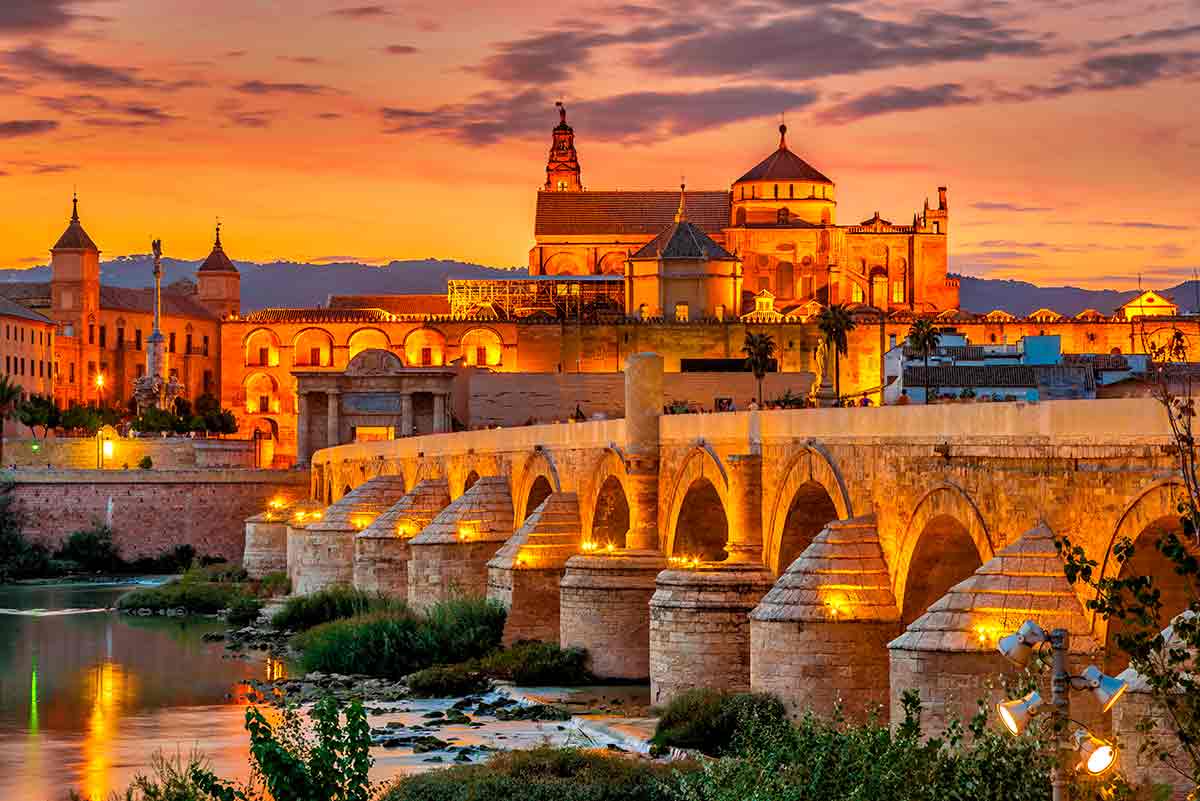
Embarking on the Camino Mozárabe by bicycle offers a unique journey through Spain’s rich history and diverse landscapes. This route, originating from the eastern Andalusian region, provides a blend of cultural heritage and natural beauty, making it a compelling choice for avid cyclists.
Historical Significance
The term “Mozárabe” refers to Christians living under Muslim rule in Al-Andalus. These individuals embarked on pilgrimages to Santiago de Compostela, traversing what is now known as the Camino Mozárabe. This path is not a single route but a network of trails converging in Baena, Córdoba, each originating from different Andalusian capitals:
- Almería to Granada: This segment offers coastal views transitioning into mountainous terrains.
- Málaga: A route rich in cultural landmarks and scenic vistas.
- Jaén: Utilizing the Vía Verde del Aceite, this path is characterized by olive groves and historical sites.
From Baena, the Camino Mozárabe continues to Córdoba, crosses the Guadalquivir River, traverses Sierra Morena, and concludes in Mérida, where it joins the Vía de la Plata.
Route Overview
The Camino Mozárabe spans approximately 616 kilometers, divided into 12 stages. The terrain is diverse, with 43% of the route on asphalt, and the remainder on dirt paths and trails. Cyclists will experience a variety of landscapes, from Mediterranean coastlines and mountainous regions to expansive olive groves and dehesas. The journey also includes stretches through cereal fields in southern Extremadura, culminating in the Guadiana River plains. Notably, this route is less frequented than other Camino paths, offering a more solitary experience.
Planning Your Journey
1. Route Navigation
While the Camino Mozárabe is well-marked, having a GPS track can enhance your experience. A curated track is available that bypasses less cyclable sections without compromising the essence of the Camino. This version avoids sandy stretches in Almería and the steep ascent to Cerro Muriano. Additionally, the challenging segment between Villaharta and Alcaracejos has been re-routed to improve cyclability.
2. Stage Breakdown
A suggested itinerary includes 14 stages, starting from Almería. Each stage varies in distance and elevation gain, with considerations for village distances and accommodation availability. For instance, the stretch from Villaharta to Alcaracejos covers 43 kilometers without any settlements, requiring careful planning.
3. Accommodations
To facilitate accommodation planning, a map detailing hostels, hotels, and guesthouses along the route is available. It’s advisable to contact these establishments in advance to confirm availability, especially during peak seasons.
4. Logistics
Major cities like Almería, Granada, Córdoba, Málaga, and Jaén are well-connected by train, bus, and air, making the start and end points of the Camino Mozárabe accessible. Mérida, the endpoint, also offers transportation options for return journeys.
5. Difficulty and Terrain
The Camino Mozárabe is classified as moderately challenging, with some sections requiring a higher level of fitness. The route features continuous elevation changes and, in summer months, high temperatures. Certain stretches have significant distances between villages, necessitating adequate preparation. The path alternates between dirt trails and low-traffic roads, making a mountain or gravel bike the ideal choice for this journey.
Conclusion
Cycling the Camino Mozárabe is a rewarding endeavor that combines physical challenge with cultural exploration. By meticulously planning your route, accommodations, and logistics, you can fully immerse yourself in this historic pilgrimage, experiencing Spain’s diverse landscapes and rich heritage firsthand.