
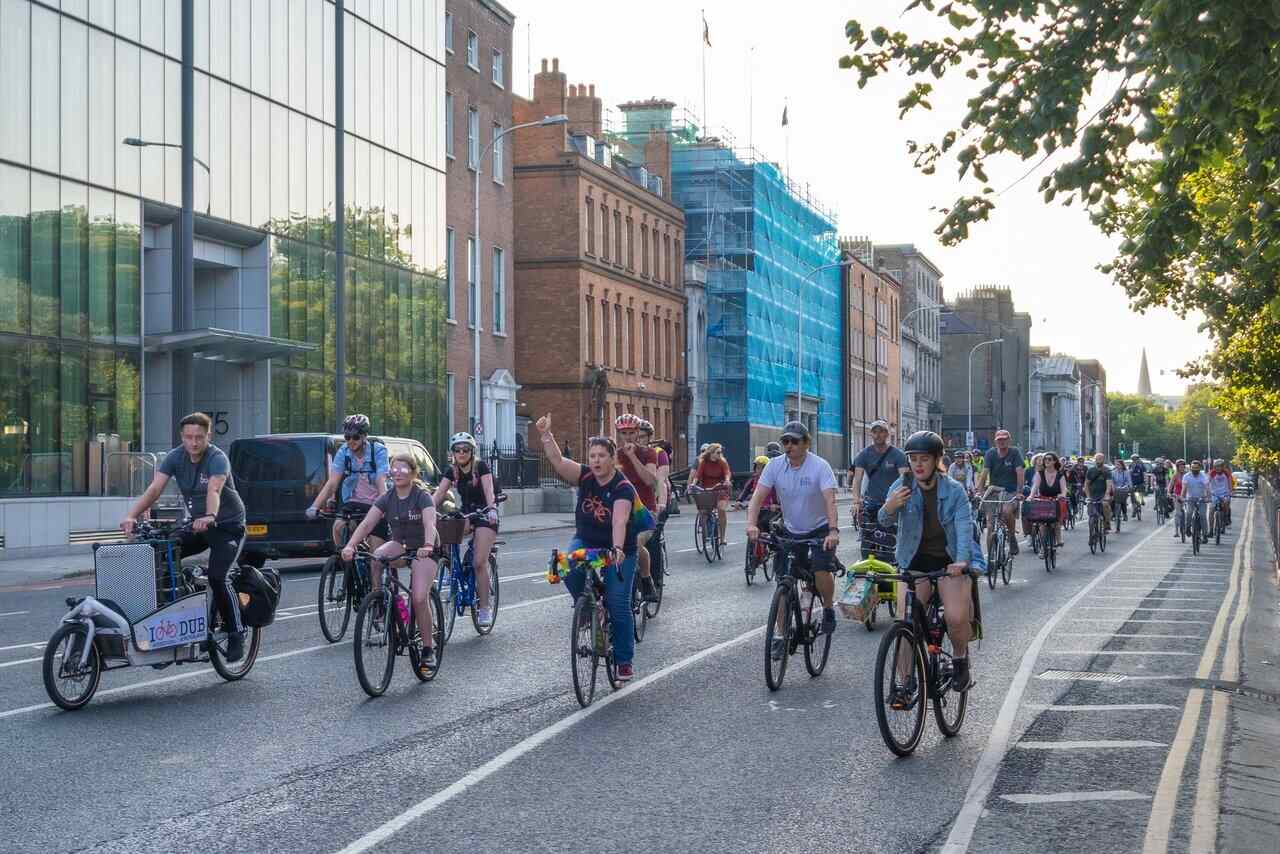
Dublin’s Cycling Renaissance: A Model for Urban Mobility
Dublin, the capital of Ireland, has undergone a remarkable transformation in its urban mobility landscape, with cycling emerging as a central component of this evolution. Over the past two years, the city has witnessed a 50% surge in daily cycling commutes, a testament to the effectiveness of strategic infrastructure investments and supportive policies. (irishtimes.com)
Key Developments in Dublin’s Cycling Infrastructure
-
Substantial Investment: In January 2026, the Irish government allocated €360 million for active travel and greenway projects, with over €97 million earmarked for Dublin. This funding supports the development of 200 km of walking and cycling infrastructure, including significant projects like the Royal Canal Greenway and the Liffey Cycle Route. (irishtimes.com)
-
Expansion of Segregated Bike Lanes: Dublin City Council has committed to constructing 60 km of new segregated bike lanes by 2024, aiming to create a 310 km network of protected cycling tracks. This initiative involves reallocating road space and upgrading existing lanes to ensure cyclist safety. (urban-mobility-observatory.transport.ec.europa.eu)
Public Support and Behavioral Shifts
The surge in cycling is accompanied by strong public support for enhanced cycling infrastructure. Surveys indicate that 71% of Dublin residents favor the construction of segregated cycle lanes, even if it means reducing road space for cars. Additionally, 78% support implementing 30 km/h speed limits in residential areas to improve safety for all road users. (irishtimes.com)
Economic and Environmental Impact
The increased adoption of cycling has led to a significant reduction in car usage. In Dublin alone, up to 510,000 car journeys are avoided daily due to walking and cycling, contributing to decreased traffic congestion and lower greenhouse gas emissions. (transportforireland.ie)
Lessons for Other Cities
Dublin’s experience underscores the importance of comprehensive planning and investment in cycling infrastructure. The city’s success demonstrates that with adequate funding, political will, and public support, urban areas can effectively transition towards more sustainable and livable transportation systems.
As Dublin continues to expand its cycling network and refine its policies, it serves as a compelling example for other cities aiming to promote active travel and reduce car dependency.