
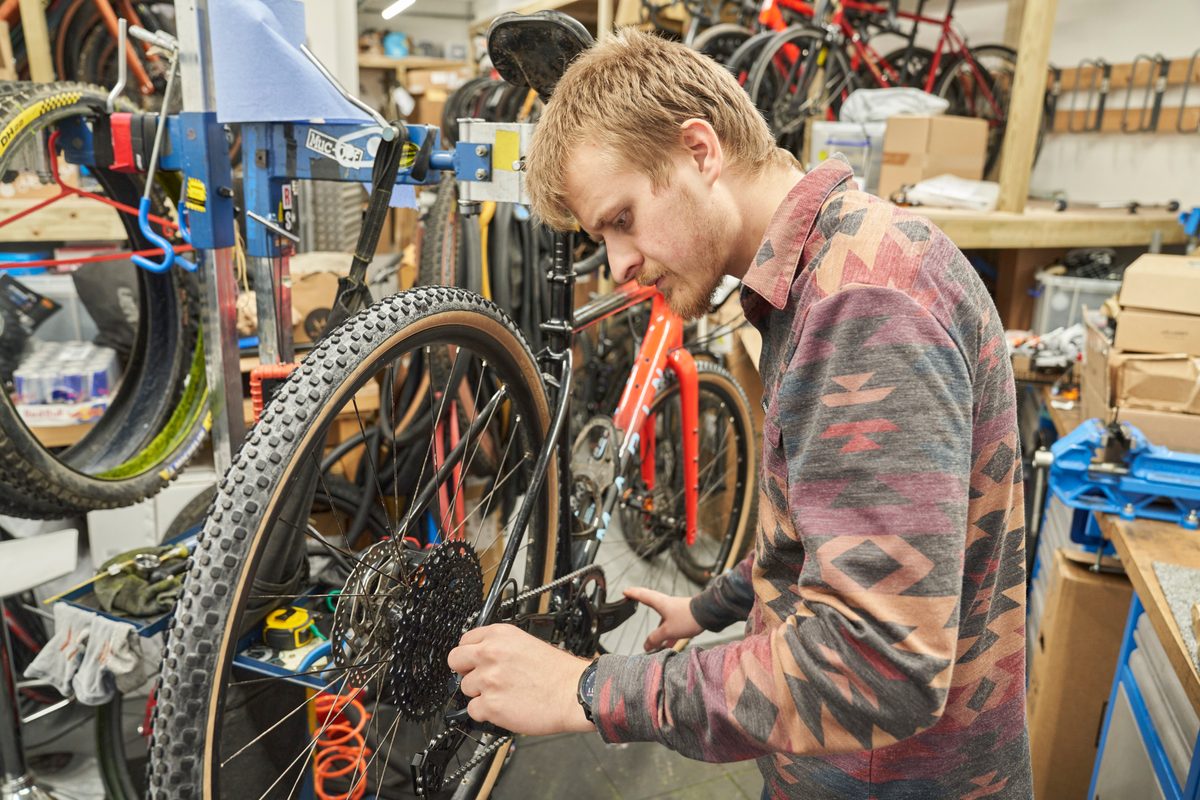
Europe’s cycling sector is facing a critical shortage of skilled bike mechanics, with an estimated 105,000 additional technicians required by 2032 to meet the growing demand. This shortfall is compounded by an existing deficit of 45,000 mechanics, highlighting a pressing need for workforce expansion. (bike.shimano.com)
The NextGen Mechanics (NGM) initiative’s recent report underscores the urgency of this issue, revealing that 121 million Europeans are cycling less due to maintenance challenges. Of these, 65 million have significantly reduced their cycling activities, and 7.6 million have ceased cycling altogether. (bike.shimano.com)
This decline is particularly evident in urban centers like Paris and London, where cycling volumes have surged, yet the availability of qualified mechanics has not kept pace. The NGM report attributes this gap to factors such as low wages, lack of formal qualifications, and the increasing complexity of modern bicycles, including electric and cargo models. (bike.shimano.com)
The shortage has led to longer waiting times for repairs and a rise in informal repair markets, where unregulated garages and mobile mechanics attempt to fill the void. However, these alternatives often lack access to certified parts and proper safety training, raising concerns about the quality and safety of repairs. (bike.shimano.com)
To address this crisis, the NGM report recommends targeted recruitment strategies, including attracting older career-changers and individuals with transferable skills. It also advocates for standardized entry qualifications and a structured relationship with vocational education and training sectors to ensure a steady influx of qualified mechanics. (bike.shimano.com)
In conclusion, the shortage of bike mechanics in Europe poses a significant barrier to the continent’s cycling ambitions. Addressing this issue is essential to maintain the momentum of cycling growth and to ensure that bicycles remain a viable and sustainable mode of transport for millions of Europeans.