
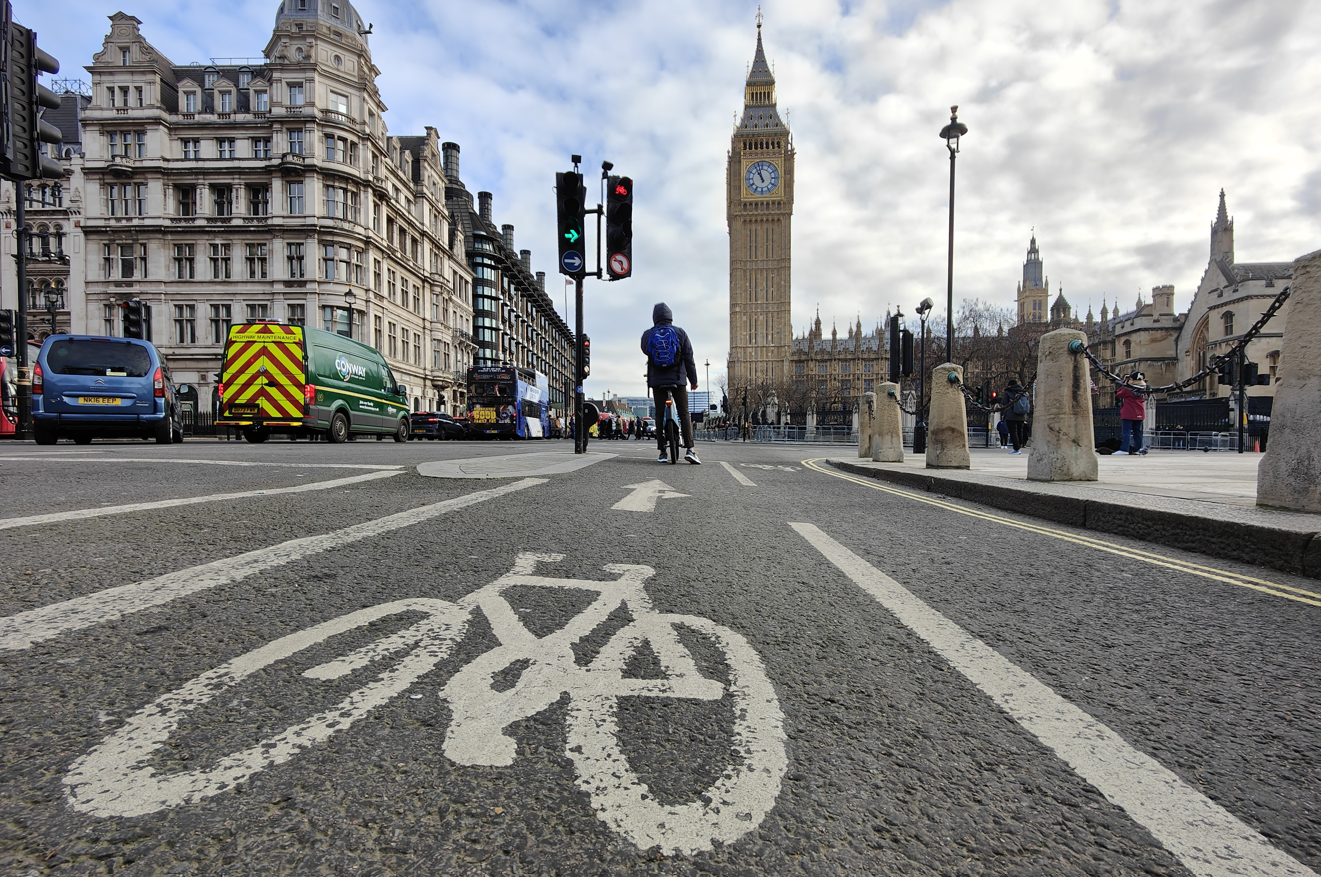
The UK government’s third Cycling and Walking Investment Strategy (CWIS3), unveiled on June 12, 2026, marks a significant commitment to transforming urban mobility. With a projected £4.5 billion investment over the next five years, the strategy aims to establish 5,000 new walking, wheeling, and cycling routes, alongside 10,000 safer crossings, by 2030. (gov.uk)
Key Objectives and Targets
CWIS3 sets ambitious targets to reshape transportation habits:
-
Active Travel Adoption: By 2035, 55% of all short trips in towns and cities are to be undertaken on foot or by bicycle. (gov.uk)
-
School Journeys: Encouraging active travel among youth, the strategy aims for 60% of children aged 5 to 16 to walk or cycle to school by 2035. (gov.uk)
Strategic Priorities
The strategy focuses on three core areas:
-
Inclusive Physical Activity: Making active travel accessible, especially for those currently least active.
-
Integrated Transportation: Ensuring active travel is a convenient and seamless choice within the broader transport network.
-
Enhanced Safety: Improving safety measures for pedestrians, cyclists, and wheelchair users.
Financial Commitment and Allocation
The £4.5 billion investment is allocated as follows:
-
Infrastructure Development: Funding for new routes and crossings.
-
Innovation Fund: A £10 million Streets Innovation Fund to support local authorities in experimenting with street designs that promote active travel. (gov.uk)
Expert Reactions
Industry leaders have responded positively:
-
Adam Tranter, former Cycling and Walking Commissioner, commended the strategy’s measurable targets and the inclusion of the HS2 cycleway, emphasizing its potential to offer a high benefit-to-cost ratio. (gov.uk)
-
The Bikeability Trust welcomed the strategy, highlighting the commitment to 5,000 safe routes to schools and the continued investment in cycle training programs, aiming to equip 1.5 million more children over the next three years. (gov.uk)
Conclusion
CWIS3 represents a pivotal step towards a more sustainable and health-conscious transportation system in the UK. By setting clear targets and committing substantial resources, the strategy lays the groundwork for a future where active travel is the norm, not the exception.