
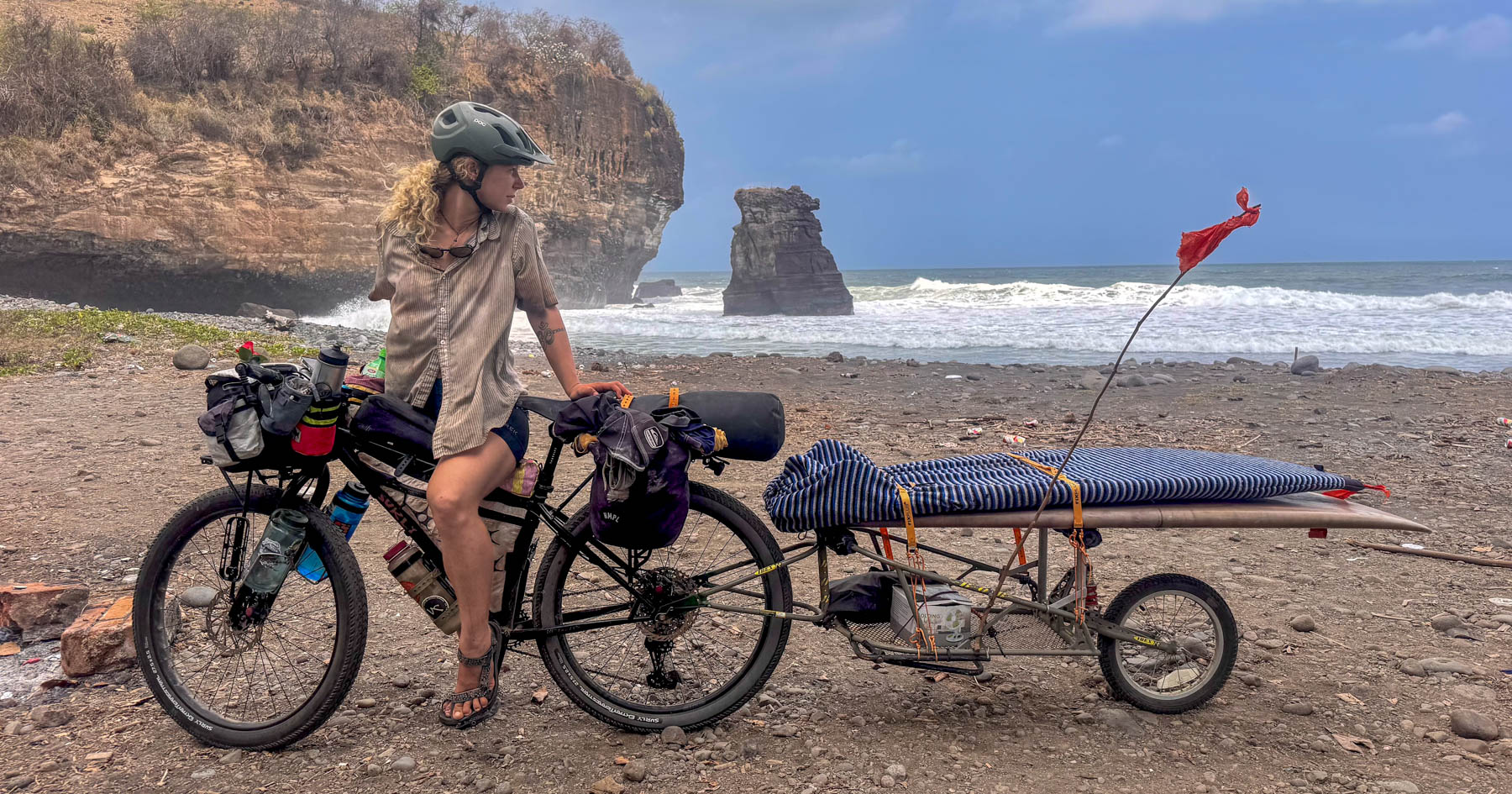
Embarking on a bikepacking adventure is an exciting way to explore diverse terrains and experience the freedom of self-supported travel. To ensure a successful journey, consider the following aspects:
1. Selecting the Right Bike:
Choosing a bike suited for bikepacking is crucial. Gravel bikes are often recommended due to their versatility and comfort on various surfaces. For instance, the Canyon Grizl CF 7 is highlighted as a top choice for bikepacking, offering a balance of performance and comfort. (treelinereview.com)
2. Essential Bikepacking Bags:
A well-organized bag system enhances your ride by distributing weight evenly and providing easy access to essentials. Key components include:
-
Frame Bag: Fits within the main triangle, offering a low center of gravity and minimal impact on handling.
-
Handlebar Bag or Roll: Ideal for lightweight items, providing ample space without compromising bike stability.
-
Seat Bag or Saddle Pack: Suitable for bulkier gear, ensuring balanced weight distribution.
-
Top Tube Bag: Perfect for frequently used items like snacks, maps, or a phone.
-
Fork and Cargo Cage Bags: Useful for carrying additional water, food, or fuel.
When selecting bags, prioritize waterproofness, durability, and compatibility with your bike. Brands like Ortlieb and Revelate Designs are renowned for their quality bikepacking bags. (cyclingweekly.com)
3. Packing Strategy:
Efficient packing is key to a comfortable ride. Aim for a total capacity of 25-35 liters, depending on your frame size and trip duration. Distribute weight low and centered to maintain bike stability. Place heavier items in the frame bag, and lighter, frequently accessed items in the top tube bag. (bikepackersmagazine.com)
4. Planning Your Route:
Research and plan your route carefully, considering terrain, water sources, and camping spots. Utilize resources like the Adventure Cycling Association’s bikepacking routes or local trail organizations to find suitable paths.
5. Preparing for Weather Conditions:
Stay informed about weather forecasts for your chosen area. For example, if you’re planning a trip to San Francisco, expect mostly sunny conditions with temperatures ranging from 55°F to 83°F in early September. Always pack appropriate clothing and gear to handle varying weather conditions.
6. Safety and Maintenance:
Carry essential tools and spare parts, such as a multi-tool, tire repair kit, and pump. Familiarize yourself with basic bike maintenance to address potential issues on the trail.
By carefully selecting your bike, organizing your gear, and planning your route, you’ll be well-prepared for a memorable bikepacking experience.