
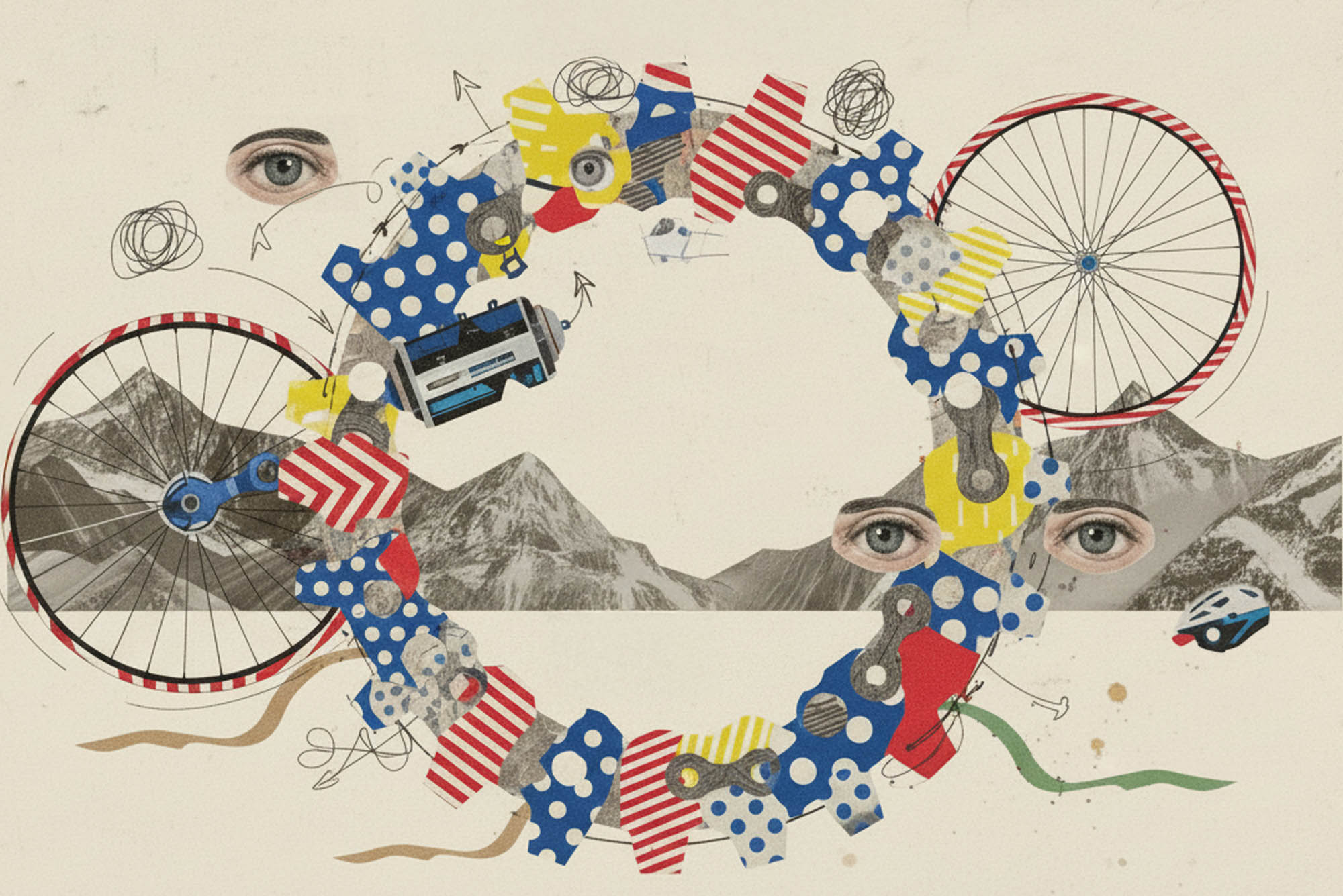
The Panic Paradox: Navigating the Crossroads of Crisis and Opportunity in the Cycling Industry
In the ever-evolving landscape of the cycling industry, the onset of crises often serves as a catalyst for profound transformation. The recent period has been marked by unsettling news, budget constraints, regulatory debates, and cautious investors, creating an atmosphere of palpable panic. This reaction is not merely a response to immediate challenges but a signal—a call to action for those attuned to its implications.
Understanding Panic as a Catalyst
Panic, in its essence, is a natural response when established structures falter. However, the true challenge lies not in the panic itself but in its impact on decision-making processes. When fear takes hold, it can narrow our vision, limit possibilities, and induce paralysis. Yet, within this very panic lies an opportunity: the chance to reassess, recalibrate, and redefine our approach to the market.
The Paradox of Paralysis
In times of uncertainty, the instinctive reaction is often to retreat—to cut budgets, delay decisions, and await more favorable conditions. However, such inaction can be more detrimental than proactive risk-taking. History has shown that significant progress seldom arises from consensus or comfort. Instead, it emerges from those willing to take the first step, to challenge the status quo, and to lead by example.
Embracing Change Through Decisive Action
The current climate presents a unique opportunity for the cycling industry. While many competitors may remain stagnant, those who choose to act decisively can carve out a competitive edge. This is not about increasing expenditures but about making different, more strategic decisions. It’s about prioritizing innovation, simplifying processes, and making bold choices that set new industry standards.
The Role of Leadership in Times of Crisis
Leadership is not about eliminating friction but about moving forward despite it. Those who are willing to take risks, to move first, and to lead by example will shape the future of the cycling industry. Inaction, on the other hand, creates space for more agile competitors to emerge and redefine the market landscape.
Conclusion: The Moment of Choice
The current state of the cycling industry is not defined by the panic we experience but by how we choose to respond to it. This is a pivotal moment—a crossroads where the decisions we make will determine the trajectory of the industry. By embracing the challenges, making bold decisions, and leading with purpose, we can transform this crisis into an opportunity for growth and innovation.
In the words of the Brixen Bike Papers, “Change never starts with consensus. It starts with someone moving.” Now is the time to move.