
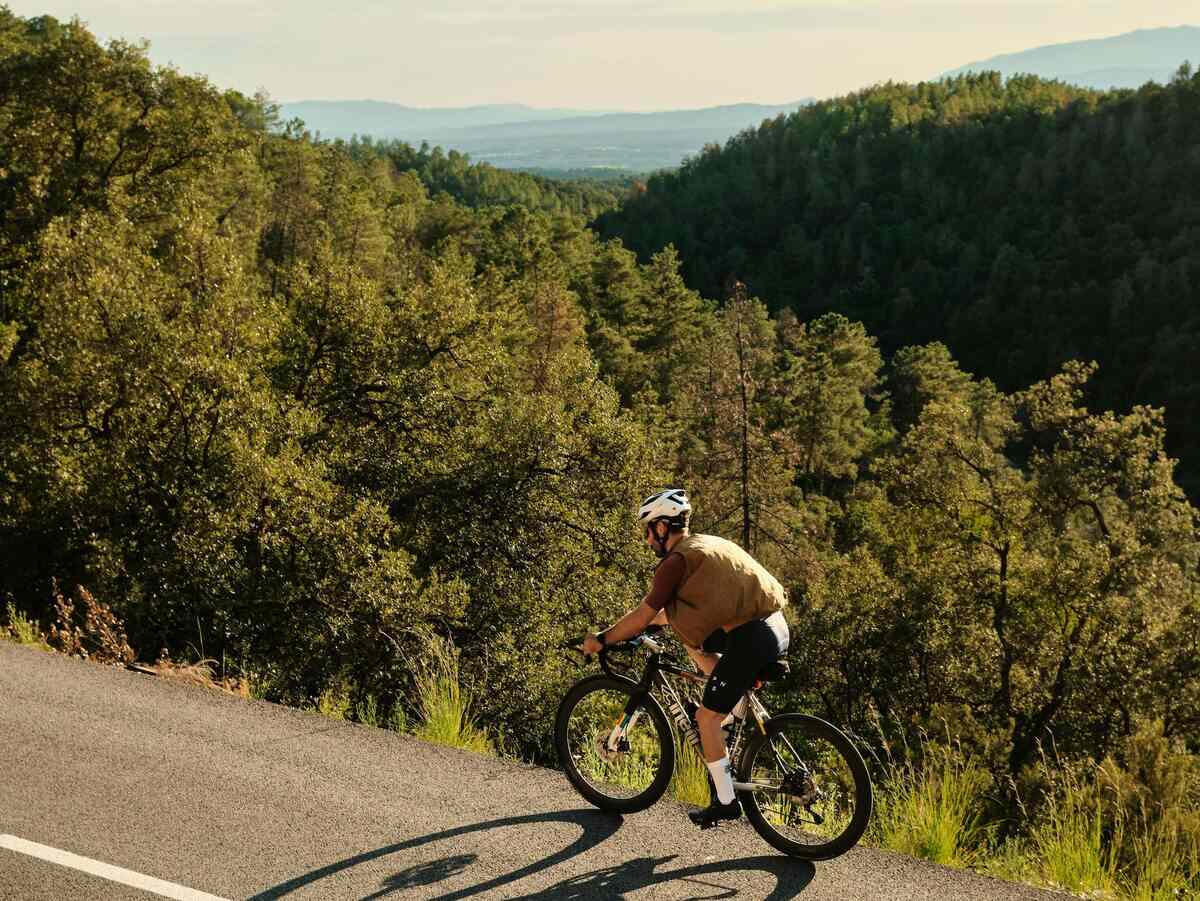
Cycling Tourism: 3 Exercises to Prevent Discomfort During Your Bike Journey
As summer approaches, many enthusiasts are gearing up for their first cycling vacations. However, embarking on a cycling tour, especially for beginners, can be physically demanding. While cycling is a biomechanically safe activity, prolonged hours on the saddle can lead to muscle and joint tensions. If neglected, these can escalate into inflammations or significant discomforts.
Understanding the Rider’s Postural Challenges
Cyclists often face issues stemming from prolonged static postures and uneven load distribution. Common problems include:
-
Upper Back Stiffness: Continuous gripping of the handlebars can cause the shoulders to round inward, leading to neck and upper back tension.
-
Wrist and Hand Compression Syndrome: Extended pressure on the handlebars may compress nerves and blood vessels, resulting in numbness or weakness in the hands.
-
Lower Back Fatigue: The glutes and lower back muscles work tirelessly to stabilize the pelvis, often leading to stiffness in the sacral region.
Preventive Measures
To mitigate these discomforts, consider the following:
-
Avoid Using a Backpack: Carrying weight on your back can strain the shoulders and exacerbate upper back stiffness. Opt for bike-mounted bags to distribute weight evenly.
-
Incorporate Daily Exercises: Engaging in specific exercises can alleviate accumulated tension.
1. Deep Lunge with Thoracic Extension
Execution: From a kneeling position, step one foot forward into a deep lunge, keeping the other leg extended behind. Lower the pelvis toward the ground, feeling a stretch in the inner thigh. If comfortable, rotate the torso upward, extending the opposite arm toward the sky. Hold for approximately one minute on each side.
Benefit: This movement stretches the hip flexors, opens the chest, and mobilizes the spine, releasing tension in the lower back.
2. Wall-Assisted Hamstring Stretch
Execution: Lie on your back near a wall. Lift your legs and place your heels against the wall, ensuring the pelvis is close to it. Keep the spine pressed against the floor. Extend the arms along the sides, slightly apart from the torso, with shoulders relaxed. Maintain this position for at least one minute, breathing deeply.
Benefit: This stretch intensively elongates the posterior chain, particularly the hamstrings, which are heavily engaged during pedaling.
3. Wrist Mobilization
Execution: Stand upright and extend one arm forward. With the opposite hand, gently pull the back of the extended hand toward you, feeling a stretch in the forearm. After 30 seconds, switch directions by pushing the palm upward for another 30 seconds. Repeat on the other hand.
Benefit: This exercise targets the tendons of the wrist and fingers, reducing stiffness from prolonged gripping of the handlebars.
Additional Tip: Post-Ride Sauna Session
If your accommodation offers a sauna, consider using it post-ride. The heat promotes vasodilation, aiding in the removal of metabolic waste products accumulated during cycling. It also acts as a potent muscle relaxant, reducing tension. Moreover, sauna use stimulates the parasympathetic nervous system, fostering deep relaxation and improving sleep quality—crucial for recovery.
Note: Ensure you’re well-hydrated before entering the sauna. Avoid using it immediately after your ride; allow at least an hour for your body to cool down and rehydrate.
By integrating these exercises and practices into your routine, you can enhance your cycling experience, reducing discomfort and promoting overall well-being during your journey.