
At the Outside Lab at CU Denver, we rigorously test outdoor gear to ensure it meets the highest standards of performance and durability. Our testing protocols are designed to push products beyond their stated limits, providing you with comprehensive insights into their capabilities. (outsidelab.outsideonline.com)
UV Exposure Testing
Ultraviolet (UV) radiation can degrade both skin and gear over time. To assess a product’s resistance to UV damage, we conduct two primary tests:
-
UV Aging: We expose materials to artificial sunlight using UV bulbs that mimic the sun’s consistent output. By subjecting the material to prolonged UV exposure, we can simulate months of sun exposure in a short period, allowing us to evaluate how the material holds up over time.
-
UPF Protection Over Time: For clothing items, we measure the ultraviolet radiation that penetrates the fabric using a specialized light meter. This test helps determine how long the garment maintains its UPF (Ultraviolet Protection Factor) rating under normal wear and after multiple wash cycles.
Trekking and Running Poles Durability
To evaluate the strength and durability of trekking and running poles, we utilize our universal testing machine, affectionately known as “Hulk.” By fully extending each pole and applying increasing weight until failure occurs—defined as a complete break, crack, or permanent bend—we can assess the pole’s load-bearing capacity. Testing at various angles ensures a comprehensive understanding of the pole’s performance under different conditions.
Dog Harness Performance
For adventure-ready daily harnesses and rescue harnesses, we focus on two key areas:
-
Load Carrying Capacity: Similar to our backpack testing protocols, we assess the harness’s ability to support the full weight of a dog, ensuring it can safely bear the load during rescue operations.
-
Durability: We subject the harness to conditions like mud, water, and sharp objects to evaluate its resistance to abrasion, tear strength, drying time, breathability, and air permeability. These tests help determine how well the harness withstands the rigors of outdoor adventures.
Additional Testing Initiatives
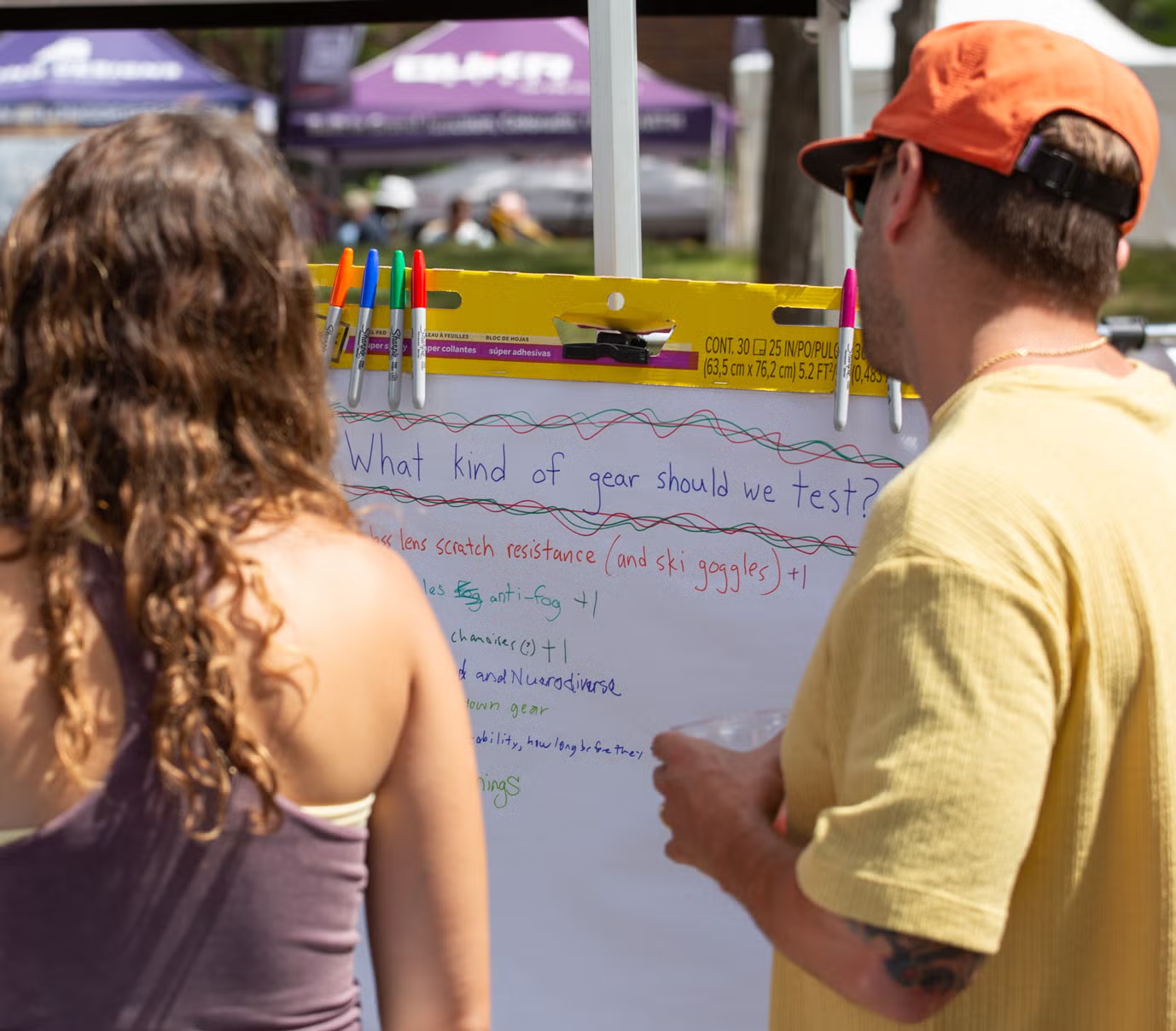
In response to reader feedback, we are expanding our testing to include:
-
Footwear: Evaluating the performance of running shoes, hiking boots, trail runners, and barefoot sandals to determine their suitability for various outdoor activities.
-
Waterproof Fire Starters: Assessing the reliability and effectiveness of fire starters designed to function in wet conditions.
-
Bug Repellent and Bite Remedies: Testing the efficacy of products aimed at preventing and treating insect bites, ensuring they provide adequate protection in diverse environments.
-
Goggle and Lens Scratch Resistance: Investigating the durability of goggle lenses to maintain clear vision during snow sports, even after exposure to abrasive conditions.
-
Snow Outerwear: Developing comprehensive testing protocols for winter shells to evaluate their performance in cold, wet, and windy conditions.
-
Adaptive Tech: Mapping out testing methods for adaptive outdoor equipment to ensure it delivers the performance, safety, and durability required by individuals of all abilities.
By continually refining our testing methods and expanding the range of products we evaluate, the Outside Lab at CU Denver remains committed to providing you with the most accurate and reliable gear assessments available.