
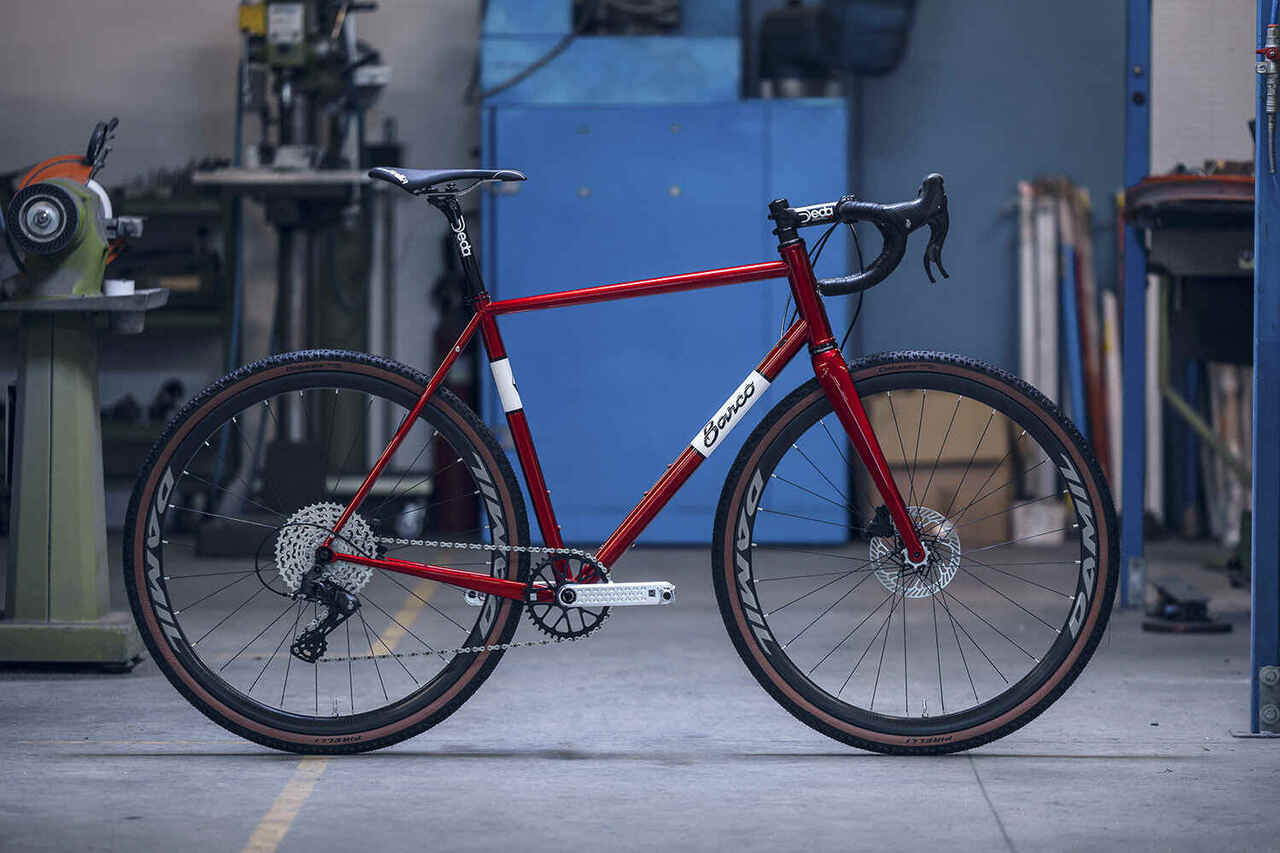
In recent years, the cycling industry has witnessed a significant shift in material preferences, particularly within the touring and endurance segments. While carbon fiber once dominated due to its lightweight and aerodynamic properties, there’s a growing resurgence of metal frames—specifically steel, titanium, and aluminum—valued for their durability, repairability, and superior ride quality.
The Resurgence of Metal Frames in Touring Bicycles
The contemporary cycling landscape is undergoing a profound transformation, with a notable “hard reset” anticipated by 2026. After over two decades of carbon fiber supremacy, driven by the relentless pursuit of performance, aerodynamics, and feather-light weights, the touring and endurance sectors are rediscovering the technical and emotional merits of metal frames for travel bicycles.
This trend isn’t merely a nostalgic nod to the past but a structured response to the evolving needs of the modern traveler. Today’s cyclists prioritize durability, reparability, and a qualitative riding experience over mere speed metrics. The gravel movement has acted as a catalyst, propelling materials like steel and titanium back into the spotlight. These metals offer resilience and comfort that are challenging to replicate with composites, especially under heavy loads and on mixed terrains.
Material Science: Mechanical Properties and Riding Sensations
The choice of frame material extends beyond weight considerations; it directly influences pedaling efficiency and the fatigue experienced during long-distance journeys. Each metal alloy responds uniquely to terrain-induced stresses, creating a dynamic signature that defines the bicycle’s character.
Steel and the New Metallurgy of Endurance
Steel remains the material of choice for expedition touring, not due to a lack of alternatives but because of its exceptional resilience. Its ability to flex elastically under stress and return to its original shape without immediate structural damage makes it ideal for handling the high-frequency vibrations typical of rough roads or gravel paths.
In 2026, the adoption of triple-butted tubing from renowned manufacturers like Columbus, Reynolds, and Dedacciai enables the creation of frames that, while weighing approximately twice as much as their carbon counterparts (ranging from 1,600 to 2,000 grams for a high-end frame), offer a “lively” riding quality that many cyclists describe as irreplaceable.
A critical advantage of steel, often highlighted in forums by experienced cycle tourists, is its global reparability. In remote expedition contexts, the ability to find a welder capable of repairing a chromoly steel frame ensures the journey’s success, whereas a failure in carbon or aluminum would necessitate immediate abandonment of the bike. Moreover, modern steel has achieved levels of corrosion and fatigue resistance that render it virtually eternal, eliminating the rust issues that plagued past frames.
Titanium: Aerospace Excellence for the Cyclist
Titanium stands at the pinnacle of metal choices for high-end touring, offering the best strength-to-weight ratio among known metals. With a density approximately 60% that of steel, titanium allows for frame construction as light as aluminum but with superior fatigue resistance and complete immunity to atmospheric and saline corrosion. This characteristic makes it ideal for “forever bikes,” bicycles intended to last decades while maintaining mechanical properties and aesthetics, often without the need for painting.
In recent years, the distinction between Grade 5 (Ti-6Al-4V) and Grade 9 (Ti-3Al-2.5V) alloys has become a conscious choice for the discerning user. Grade 9 is the standard for main tubes due to its workability and excellent balance between stiffness and comfort; Grade 5, much more resistant but difficult to work with, is used for critical parts like head tubes machined from solid or dropouts produced via additive manufacturing (3D printing).
Contemporary Aluminum: Rigidity, Lightness, and Hydroforming
Aluminum has undergone a profound technological evolution. Previously associated with excessively rigid and uncomfortable rides, the widespread adoption of hydroforming and modern geometries has mitigated these drawbacks. Modern aluminum is the pragmatic choice for those seeking a lightweight, efficient power transfer bicycle at a contained cost.
Its intrinsic rigidity is now considered an advantage in fast bikepacking, where frame responsiveness under load and load stability are prioritized over passive vibration absorption, which is delegated to generously sized tires and carbon forks.
Load Dynamics and Stability: Panniers vs. Bikepacking
The interaction between frame material and luggage transport system is one of the most overlooked yet fundamental aspects in the design of a travel bicycle. Additional weight alters the center of gravity and torsional rigidity of the vehicle, influencing downhill safety and uphill efficiency.
Traditional touring, based on racks and panniers, requires frames with high torsional rigidity to avoid the “tail-wagging” phenomenon when the bike is fully loaded. In this context, oversized steel and aluminum excel because they can support loads exceeding 140 kg without excessive elastic deformations that would make the ride unstable. Aluminum, being more rigid at equal weight, offers a very stable platform for racks, reducing vibrations that can loosen hardware during long trips on dirt roads.
The minimalist approach of bikepacking distributes the load along the bicycle’s longitudinal axis, using bags fixed directly to the frame, handlebars, and seat post. This system minimizes lateral bulk and improves aerodynamics, making the bike more agile on narrow trails (singletrack). In this context, titanium is often considered the supreme material, as its ability to dampen high-frequency vibrations perfectly complements lightweight setups, offering a “soft” ride that reduces rider fatigue over long distances.
Technological Standards of 2026: Integration and Maintenance
The 2025-2026 biennium sees the consolidation of technical standards aimed at simplifying the life of the cycle tourist while embracing today’s technological innovation. The debate between aesthetic integration and ease of repair is at the center of choices for cycle tourists and artisanal builders.
T47: The New Standard for Bottom Brackets
The transition from press-fit systems to threaded T47 represents a victory for sound engineering, especially in metal frames. T47 offers the necessary diameter to accommodate modern 30mm pedal axles (maintaining system rigidity) but uses threading that eliminates the creaks typical of press-fit and allows for simple maintenance with standard tools.
For a traveler who finds themselves needing to replace a bearing in a remote area, the presence of a threaded shell is an invaluable advantage over the need for specific presses.
UDH (Universal Derailleur Hanger) and Electronic Transmissions
The adoption of the SRAM UDH standard has become universal even in high-end metal frames. This unique dropout ensures that, in the event of a breakage, the replacement can be found in any bike shop worldwide, solving one of the cycle tourist’s greatest nightmares. Moreover, the UDH is the fundamental requirement for the installation of the new SRAM Eagle Transmission groupsets that completely eliminate adjustment screws, increasing reliability under load.
Cable Integration: Aesthetics vs. Pragmatism
The trend towards fully internal cabling, which passes through the head tube, has now reached even “boutique” titanium and steel frames. While this choice protects hydraulic and electronic cables from the elements and makes mounting handlebar bags easier (which no longer rub against the housings), it also makes extraordinary maintenance and disassembly of the bike for air transport extremely laborious. Many Italian artisans continue to offer semi-integrated or external solutions precisely to preserve field maintainability.
Sustainability and Investment: Why Metal Wins in the Long Term
In an era of growing environmental awareness, the material of the bicycle assumes an ethical value. Metal, unlike carbon, offers a much longer life cycle and total recyclability at the end of life.
The Value of Used and Durability
A carbon frame is often considered “old” after 5 years due to the evolution of molds and the natural degradation of resins. In contrast, a 2026 steel or titanium bicycle will maintain its value and functionality for decades. Titanium, in particular, does not age mechanically, making the initial purchase (although high) an investment spread over thirty years of use.
Final Considerations for the 2026 Cycle Tourist
The return to metals in cycle tourism represents a maturation of the market, which has stopped chasing the fashions of professionalism to focus on the real needs of the user. Steel remains the beating heart of adventure, titanium the dream of mechanical perfection, and aluminum the solid certainty of efficiency.
The 2026 metal bicycle is not a return to the past but a leap into the future: it integrates standards like UDH and T47, embraces 13-speed electronic transmissions, and 50mm tires, offering a reliable, comfortable travel platform that can tell a story that lasts much longer than a single racing season.
For the modern cycle tourist, metal is not just a material but a choice of freedom and respect for time, the road, and the environment.
Join Us at the 2026 Cycle Tourism Fair | Padua March 27-29
To experience firsthand this fascinating “rebirth” of metals and engage directly with those shaping these bicycles destined to last a lifetime, the ideal appointment is now at hand. From March 27 to 29, the spaces of Padua will host the 2026 Cycle Tourism Fair: an unmissable opportunity to closely admire creations in steel, titanium, and aluminum made by the best Italian frame builders, as well as explore the latest news in