
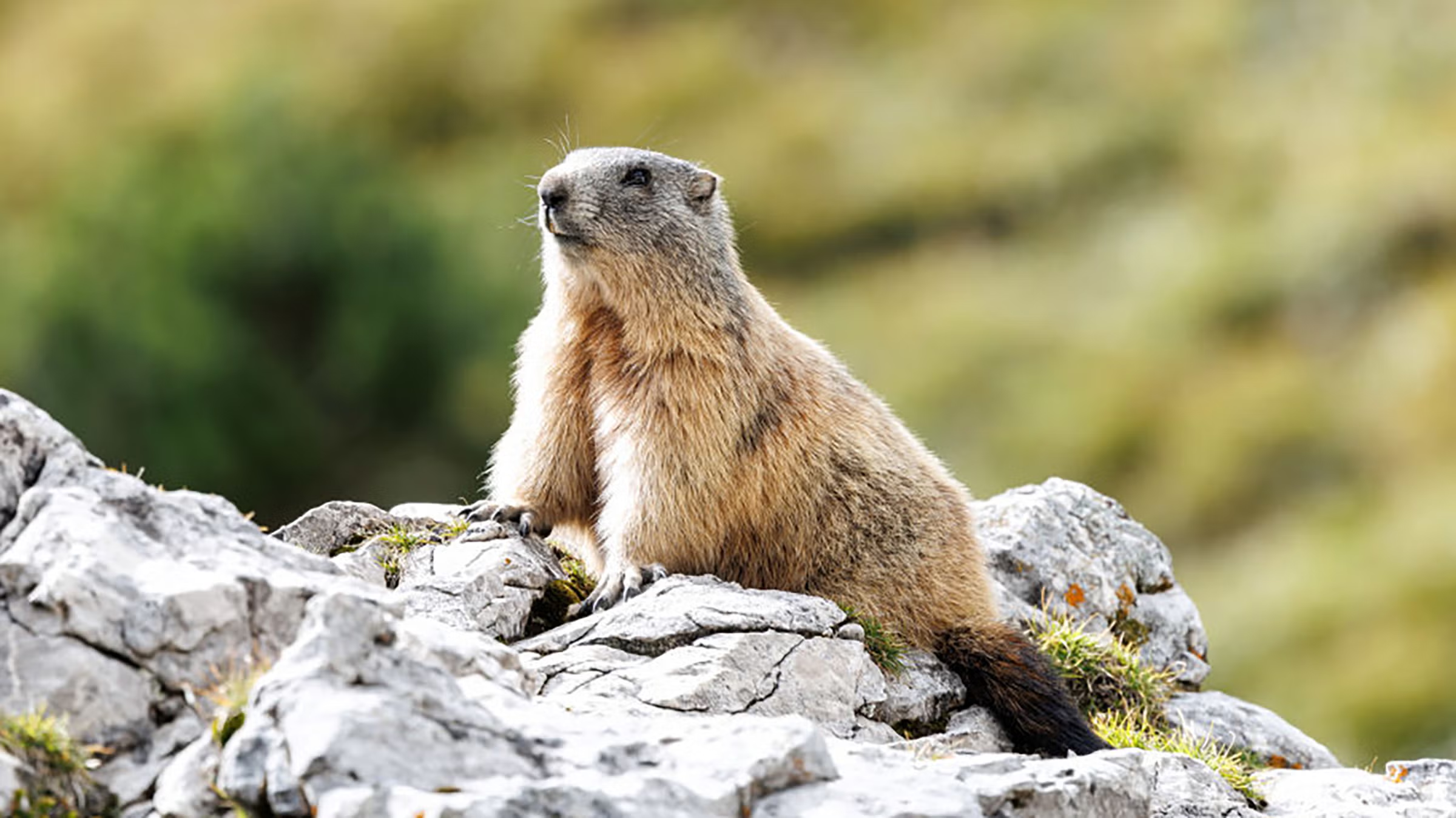
Marmots: The Alpine Mammals Making Headlines in 2026
Marmots, those endearing alpine dwellers, have recently captured public attention through a series of notable events and studies. From innovative conservation efforts to intriguing behavioral insights, these creatures are at the forefront of wildlife discussions.
Fat Marmot Week: A Celebration of Alpine Resilience
In August 2026, the Rocky Mountain Biological Laboratory (RMBL) introduced the inaugural “Fat Marmot Week,” drawing inspiration from Alaska’s renowned Fat Bear Week. This initiative aimed to highlight the marmots’ impressive weight gain as they prepare for hibernation. Eight yellow-bellied marmots participated, with “Dawn” emerging as the champion after gaining approximately 4.5 pounds over the summer. This event not only celebrated these creatures but also served as a fundraising effort to support ongoing marmot research amid federal funding challenges. (theguardian.com)
Innovative Fundraising: Marmots on OnlyFans
Facing financial constraints, the RMBL’s Marmot Project turned to unconventional methods to sustain their research. They launched an OnlyFans account, “OnlyMarms,” featuring captivating marmot content. This strategy garnered significant public interest, raising over $100,000 through subscriptions and donations. The initiative underscores the growing public fascination with these alpine mammals and the importance of supporting wildlife research. (theguardian.com)
Behavioral Insights: Marmots’ Quest for Salt
Recent studies have shed light on marmots’ unique behaviors, particularly their search for salt. Observations revealed marmots licking mineralized rocks and even vehicle components, likely due to a salt deficiency in their natural diet. This behavior highlights the adaptability and resourcefulness of these animals in their alpine habitats.
Conservation Challenges: Impact of Snowpack Variability
The 2025-2026 winter presented significant challenges for marmot populations in Colorado. A thinner-than-usual snowpack led to a higher mortality rate during hibernation, with two-thirds of a monitored population perishing due to insufficient insulation. This event underscores the critical role of snowpack in marmot survival and the broader implications of climate variability on alpine ecosystems. (cpr.org)
Conclusion
Marmots continue to captivate both the public and researchers with their unique behaviors and the challenges they face in a changing environment. Through innovative conservation efforts and a deeper understanding of their ecological needs, we can better appreciate and support these remarkable alpine mammals.