
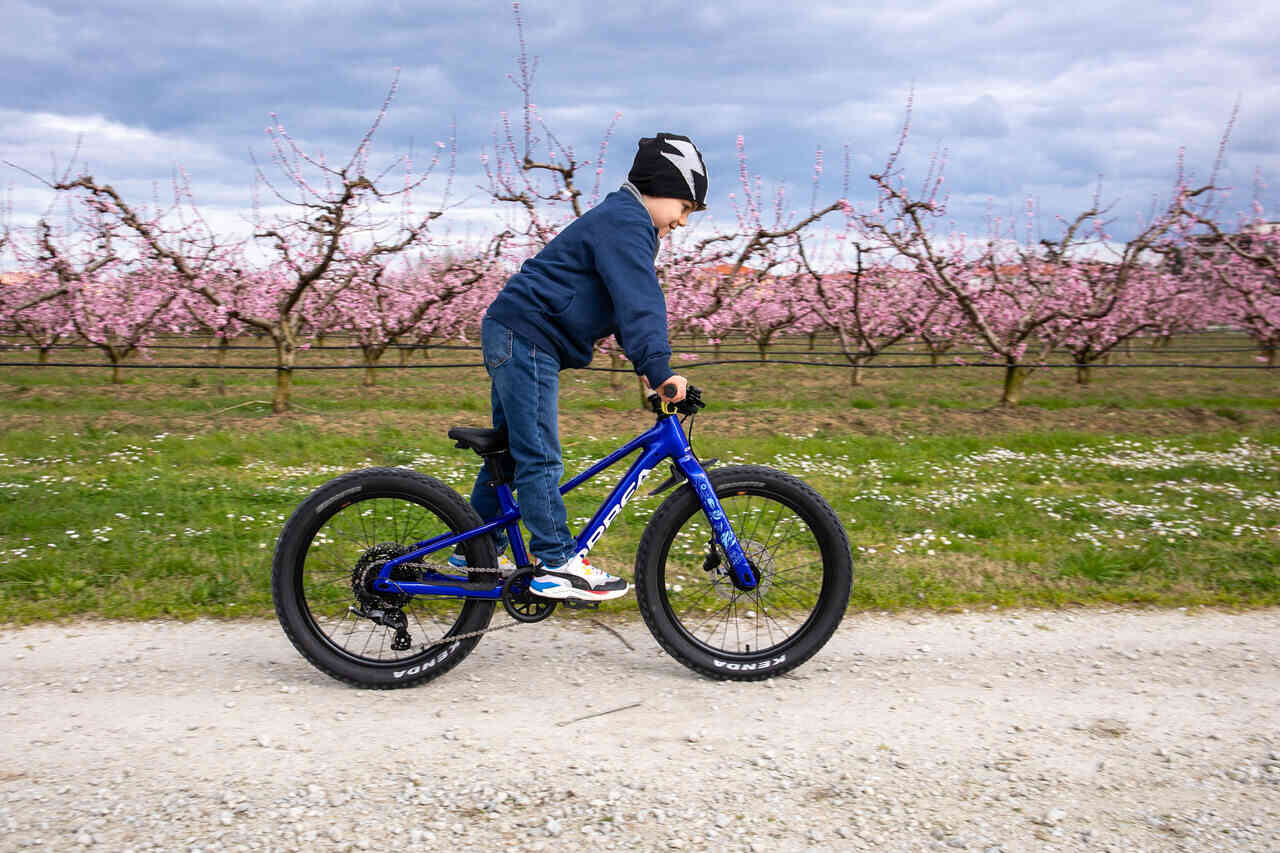
Choosing the Right Children’s Bike: The Importance of Details
Selecting the perfect bicycle for your child involves more than just picking a model that looks appealing. It’s about understanding how specific features can enhance your child’s riding experience, ensuring safety, comfort, and long-term enjoyment.
1. Size Matters
The first step in choosing a children’s bike is determining the appropriate size. Bicycle sizes are typically measured by the diameter of the wheels in inches: 12″, 14″, 16″, 18″, 20″, and 24″. Selecting the right size ensures that the bike is manageable and comfortable for your child. A bike that’s too large can be difficult to control, while one that’s too small may not provide the necessary support.
2. Weight Considerations
The weight of the bike significantly affects how easily a child can handle it. A lighter bike is easier to maneuver, especially for younger riders. Brands like Woom have developed lightweight bicycles specifically designed for children, making the learning process more enjoyable and less strenuous. (sissiworld.net)
3. Safety Features
Safety should always be a top priority. Ensure the bike is equipped with reliable brakes suitable for your child’s hand strength. For instance, hydraulic disc brakes offer better modulation and require less force, which is beneficial for smaller hands. Additionally, features like integrated clip systems (ICS) allow for easy attachment of safety lights, enhancing visibility during low-light conditions. (it.wikipedia.org)
4. Appropriate Gear Ratios
For bikes with gears, selecting the right gear ratio is crucial. A lower gear ratio makes it easier for children to pedal uphill, reducing the effort required and preventing frustration. Single-speed bikes are often sufficient for younger riders, while older children may benefit from multi-gear setups, especially if they ride on varied terrains.
5. Ergonomic Design
An ergonomically designed bike ensures comfort and promotes proper riding posture. Adjustable handlebars and seats allow the bike to grow with your child, providing a better fit and more comfortable ride. Brands like Woom focus on ergonomic designs tailored to children’s bodies, enhancing both comfort and control. (sissiworld.net)
6. Durability and Quality Components
Investing in a high-quality bike pays off in the long run. Durable frames and quality components withstand the wear and tear of regular use, ensuring the bike remains in good condition and safe to ride. Brands like Woom and Strider are known for their commitment to quality, offering bikes that are both durable and lightweight. (sissiworld.net)
7. Aesthetics and Personalization
While functionality is paramount, allowing your child to choose a bike that appeals to them can increase their enthusiasm for riding. Many bikes come with customizable features, such as removable training wheels or the option to add accessories like baskets or streamers. Personalizing the bike can make it feel more special and encourage regular use.
Conclusion
Choosing the right children’s bike involves considering factors like size, weight, safety features, gear ratios, ergonomic design, durability, and aesthetics. By paying attention to these details, you can ensure that your child has a safe, comfortable, and enjoyable cycling experience that fosters a love for biking from an early age.