
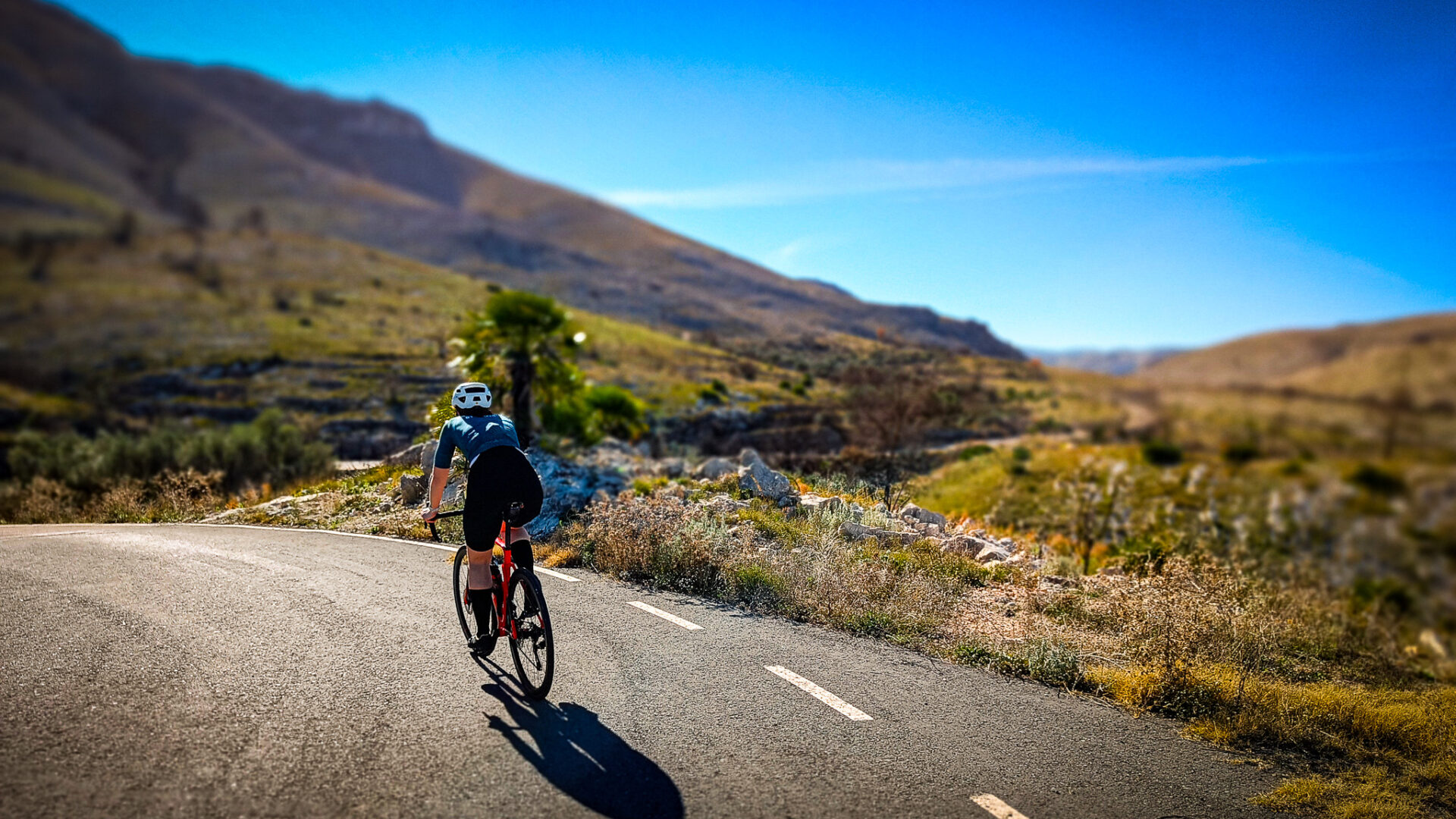
Embarking on your cycling journey in 2026 doesn’t require a hefty budget. With strategic choices, you can enjoy the ride without overspending. Here’s a comprehensive guide to get you started:
1. Opt for Quality Pre-Owned Bicycles
The second-hand market offers excellent value, with used bikes often priced at 40-60% of their original retail value. Platforms like Marktplaats, Facebook Marketplace, and local bike shops with refurbished options are ideal starting points. When purchasing, ensure the frame is free from cracks or dents, the drivetrain shows minimal wear, wheels spin true without wobbling, and the bike fits you properly. Always verify the serial number to confirm the bike isn’t reported stolen.
2. Consider Entry-Level New Bikes with Warranty
If you prefer a new bike, brands like Decathlon offer excellent value. Models such as the Triban RC 500 and VanRysel provide quality components and come with warranties, ensuring peace of mind with your purchase.
3. Choose a Versatile Hybrid Bike
For beginners, a hybrid bike offers a comfortable upright position combined with efficient rolling wheels. Models like the Giant Escape 3 or Liv Alight 3 are reliable options under €500, suitable for both commuting and recreational rides. Additionally, gravel bikes are robust and can be upgraded with a second wheelset for road cycling.
4. Start with Flat Pedals
While clipless pedals have their advantages, flat pedals are a cost-effective choice for newcomers. They allow you to use your existing sports shoes and provide the flexibility to remove your foot quickly when needed.
5. Invest in a New, Certified Helmet
Safety is paramount, and a new helmet ensures it hasn’t been compromised. Higher-priced helmets often offer lighter weight and better ventilation, but all helmets sold in Europe must meet the EN 1078 standard. Independent tests have shown that budget helmets can perform as well as more expensive models.
6. Prioritize Essential Accessories
Focus on the basics:
- Helmet: Non-negotiable for safety.
- Lighting: USB-rechargeable sets enhance visibility, even during the day.
- Lock: Invest about 10% of your bike’s value in a sturdy D-lock or chain lock.
- Pump and Repair Kit: A floor pump for home use and a saddlebag with a spare tube, tire levers, and a multitool can prevent costly workshop visits for simple punctures.
7. Utilize Existing Sportswear
There’s no need to invest in specialized cycling attire initially. Synthetic sports clothing (like polyester) effectively wicks moisture. Pairing flat pedals with your regular sneakers eliminates the need for cycling-specific gear. However, consider using a padded liner short under your regular shorts for added comfort.
8. Upgrade Tires for Enhanced Performance
Investing in quality tires can significantly improve your riding experience. Proper tire pressure reduces rolling resistance and the risk of punctures. Wider tires (28–32 mm on a road bike, 35–42 mm on a hybrid) offer more comfort without sacrificing speed.
9. Learn Basic Bike Maintenance
Understanding simple maintenance tasks can save money and keep your bike in top condition:
- Puncture Repair or Replacement: DIY costs around €5 for a new inner tube, compared to €20+ at a shop.
- Brake Adjustment: With standard tools, you can adjust brakes without additional costs.
- Drivetrain Cleaning: A bottle of degreaser costs about €15, and a good lubricant ranges from €10 to €15.
- Gear Adjustment: With an Allen key and patience, you can fine-tune gears yourself.
Leave complex tasks, like replacing the bottom bracket or headset, to professionals.
10. Perform Simple Upkeep for Free Gains
Two cost-free practices can enhance your cycling experience:
- Chain Lubing: A clean, lubricated chain extends the lifespan of your cassette and chainrings. A bottle of chain oil costs €10 and can save you money in the long run.
- Tire Pressure Checks: Regularly checking tire pressure is free and ensures optimal performance. Under-inflated tires increase rolling resistance and the likelihood of flats.
Budget Breakdown
To keep things clear, here’s an estimated breakdown of additional costs:
- €0–€100: Helmet, basic lighting, puncture repair kit.
- €100–€250: Better lock, quality tires, floor pump, multitool.
- €250–€500: Entry-level new bike (e.g., Decathlon) or major service for a second-hand bike.
The key is simple: a well-fitting bike, quality tires, a safe helmet, and a clean chain. As your mileage increases, you can consider additional upgrades.