
Grand Staircase-Escalante National Monument Faces Legislative Challenge
In early March 2026, Senator Mike Lee (R-UT) and Representative Celeste Maloy (R-UT-02) introduced a joint resolution aiming to overturn the Grand Staircase-Escalante National Monument’s Resource Management Plan (RMP) through the Congressional Review Act (CRA). This move has sparked significant concern among conservationists, Indigenous communities, and outdoor enthusiasts.
Background
Established in 1996, the Grand Staircase-Escalante National Monument in southern Utah encompasses approximately 1.87 million acres of diverse landscapes, including red rock canyons, archaeological sites, and unique ecosystems. In January 2025, the Bureau of Land Management (BLM) finalized the RMP, a comprehensive framework developed over two years with extensive public and stakeholder input. The plan prioritizes conservation, cultural resource protection, and sustainable recreation, reflecting a collaborative effort to balance environmental stewardship with public access. (blm.gov)
Legislative Action
The recent legislative initiative seeks to nullify the RMP, potentially leading to the drafting of a new plan that could prioritize resource extraction over conservation. Such a shift may have profound implications for the monument’s ecological integrity and the recreational opportunities it offers. Notably, the CRA stipulates that if the resolution passes, the BLM would be prohibited from issuing a plan “substantially the same” in the future, potentially leaving the monument without a guiding management framework. (earthjustice.org)
Implications for Outdoor Recreation
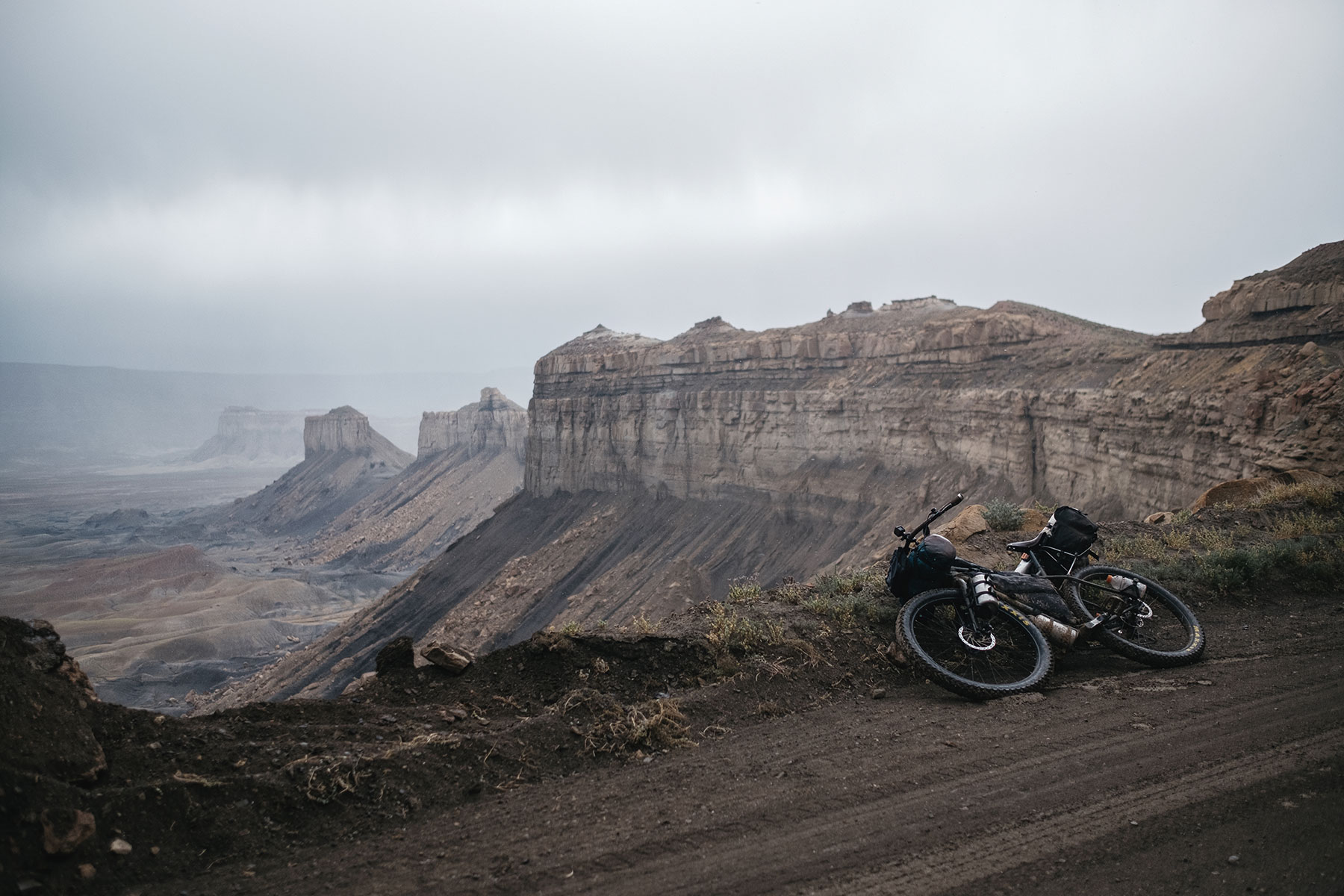
For outdoor enthusiasts, particularly those interested in bikepacking, the Grand Staircase-Escalante offers unparalleled experiences. The Grand Staircase Loop, a renowned bikepacking route, showcases the monument’s rugged terrain and scenic beauty. The potential overturning of the RMP raises concerns about the future of such recreational activities, as changes in land management could lead to restricted access or altered trail conditions.
Community and Environmental Response
Environmental organizations and Indigenous groups have expressed strong opposition to the proposed resolution. The National Wildlife Federation emphasized that overturning the RMP would “disproportionately harm Indigenous communities” and undermine efforts to protect sacred sites and wildlife habitats. (nwf.org) Similarly, the Conservation Alliance, representing numerous businesses, highlighted the economic and cultural importance of the monument, urging Congress to uphold the current management plan. (conservationalliance.com)
Call to Action
Stakeholders are encouraged to engage with their congressional representatives to express support for the existing RMP. Maintaining the current management plan is crucial for preserving the monument’s ecological health, cultural significance, and the recreational opportunities it provides to the public.
Further Reading
For more information on the Grand Staircase-Escalante National Monument and the ongoing legislative developments, consider exploring the following resources:
- BLM’s Grand Staircase-Escalante National Monument Management Page
- National Wildlife Federation’s Press Release on the Resolution
- The Conservation Alliance’s Statement on the Management Plan
Staying informed and involved is essential to ensure the continued protection and enjoyment of this national treasure.