
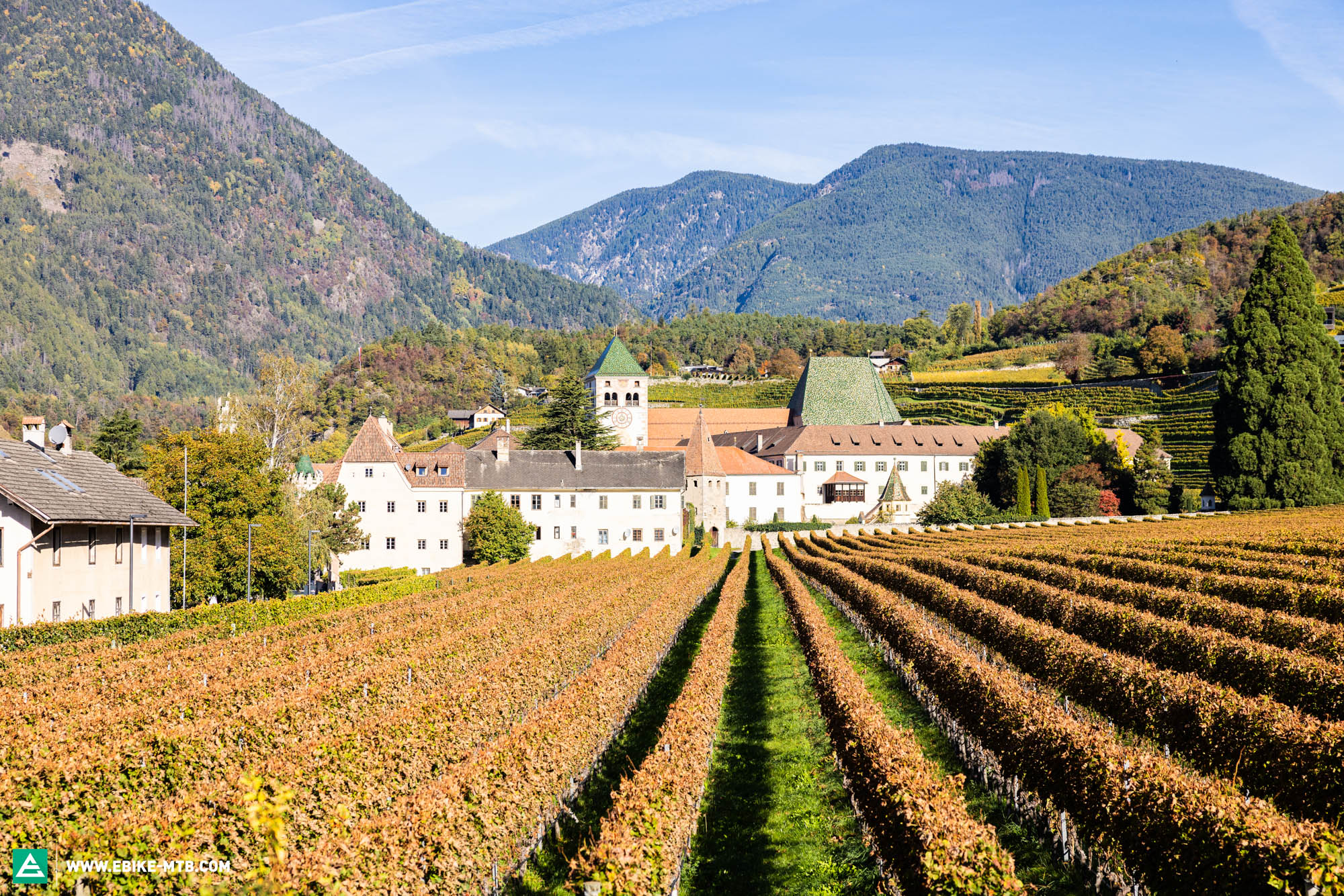
Brixen, South Tyrol
Nestled between the Dolomites and its historic streets, Brixen—a city long steeped in tradition—is undergoing a subtle yet significant transformation. Former residents who spent years in cities like Vienna, Berlin, and Copenhagen are returning, bringing fresh ideas that gently reinterpret the old into the new.
Pachers: A Thoughtful Evolution
In Neustift, just behind the vineyards, stands Pachers, a third-generation establishment. Johanna, Michael, and Sebastian Huber have not rebuilt but thoughtfully reimagined it. Where there was once cramped space, there is now room for tranquility and relaxation. The lobby is airy and bright, with light streaming in differently than before. The number of rooms has been reduced, making them more spacious. Seating areas invite lingering, some designed for work. The hotel understands that people today travel differently: with pauses, but also with projects. Digital nomads find power outlets with a view.
Sustainability is not just a claim but a fundamental attitude at Pachers: regional partners, local materials, and renovations that have remained deliberately understated. The wood comes from South Tyrolean forests, and the furniture from local carpenters.
From there, a walk along the Eisack River leads toward the center—vineyards on the left, the cold murmur of the stream on the right, and the mountains ahead bathed in warm light. The air smells of autumn and the smoke of chimneys.
Jasmin Castagnaro: Crafting Against Time
On the outskirts of the city, Jasmin Castagnaro works in her small studio. Her work at MIYUCA begins when the leaves fall. Then, the 34-year-old has two weeks to gather material for an entire year—a race against leaf blowers and city cleaning.
On shelves, boxes of dried leaves—maple, beech, oak—are sorted by color like a palette of autumn. Then begins the actual process: sorting, drying, pressing, layering. Without chemicals, without shortcuts. Only patience, precision, and trust in the material. Some series rest for months. In the end, lamps and design objects emerge that glow like late October afternoons. Her work is a conversation about time, value, and what one easily overlooks. What was once waste becomes something that lasts.
Levin Grüten: A Kitchen with Conviction
Above the old town, in Kranebitt, lies AO. From the terrace, a view opens over the rooftops of the city. Levin Grüten has seen kitchens around the world—and brings to Brixen not recipes, but an attitude: cook with what grows directly around you.
The Belgian-born chef’s cuisine is precise, reduced, clear. At the same time, intense, as if translating the landscape. Fermented beets with elderflower vinaigrette. Two kinds of organic free-range chicken from Öbersthof or braised cheek of Dolomitica beef. Sourdough bread with raw milk butter so good that you order it again.
Nose-to-tail is a matter of course. Behind it stands a network of farms, gardens, and producers: vegetables harvested ripe. Animals with time and space. In the pantry, jars with pickled mushrooms, fermented tomatoes, dried herbs. Summer, preserved in jars and bottles. Teresa Pichler provides the wine accompaniment with over 193 labels, wines from regions south and north of the Alps, as well as house-made white wines from grapes right outside the door, such as Sylvaner and Kerner. Variety, sustainability, and personality in the glass.
Galleries, Beer, Törggelen
In the Brixen old town, a cultural scene has developed in recent years. The Stadtgalerie Brixen, for example, operated by the South Tyrolean Artists’ Association, shows contemporary art in changing exhibitions. Every few years, the Stadtgalerie is re-curated, in collaboration with local museums and art colleges. In courtyards and converted workshops, young artists from photography, ceramics, and design have set up their studios. Spaces that were not staged for tourism but where actual work and thought take place.
For three years, Brixen has been brewing its own beer: Viertel Bier. The brewery uses regional grain and water from the Valser Valley. In small batches, changing varieties are created: sometimes deep black and smelling of bittersweet chocolate, sometimes light, sometimes fruity. Flavors of a city that is just finding its own rhythm.
In autumn: the Törggelen. On Eisack Valley farms, young farmers and winemakers open their doors. There are historical dishes, local wine, vegetables from the own garden. Schlutzkrapfen, handmade and filled with spinach and ricotta. Homemade sausage from the own farm. Roasted chestnuts, accompanied by young wine. Not a folklore event, but a lively tradition that is carried on. One eats slowly, drinks thoughtfully, time does not matter here.
The change does not impose itself here. It shows in details, in new rooms, in the way work, cooking, and thinking are now done. People who have lived elsewhere return and open hip restaurants, studios, workshops. They brew beer, redesign hotels, work with local producers.
Spending a few days in Brixen, one feels the upheaval