
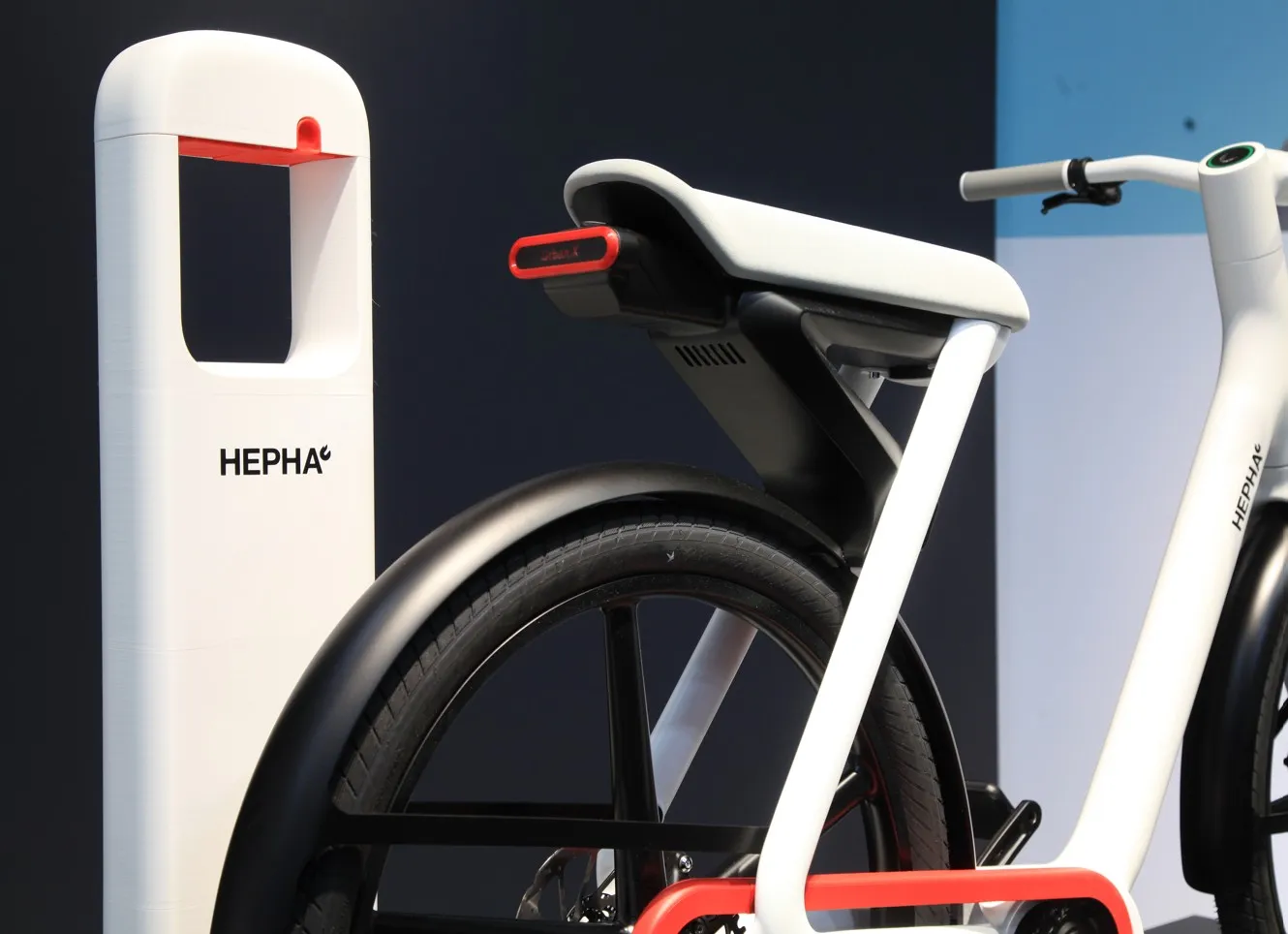
The electric bicycle industry is undergoing a transformative period, with 2026 marking a significant leap in design and technological advancements. Manufacturers are integrating cutting-edge features to enhance performance, safety, and user experience.
Advanced Motor Systems
Bosch has introduced the Hub Line motor, a rear hub system tailored for urban e-bikes. This motor offers a minimalist design, reduced weight, and improved torque, providing a smoother ride in city environments. Additionally, Bosch’s Performance Line PX motor delivers up to 90 Nm of torque, catering to riders seeking higher performance. (bikeradar.com)
Enhanced Battery Technology
Battery innovation is at the forefront, with companies like Verge Motorcycles unveiling motorcycles equipped with solid-state batteries. These batteries promise higher energy density, faster charging times, and longer lifespans, setting a new standard for electric vehicle power sources. (techradar.com)
Integrated Safety Features
Safety is paramount, leading to the integration of advanced technologies. Volkswagen, in collaboration with n+, has developed an e-bike featuring the world’s first integrated rear-view camera system. This system provides real-time visuals to the rider, enhancing awareness of surrounding traffic. Additionally, radar sensors alert cyclists to vehicles in blind spots, similar to systems in modern cars. (techradar.com)
Smart Connectivity and User Experience
The e-bike ecosystem is becoming more interconnected. Bosch’s eBike Flow app has been updated to include features like “Trick Check,” which automatically detects certain tricks performed on the bike, such as jumps or wheelies. This integration allows riders to monitor performance metrics and receive tailored feedback, enhancing the overall riding experience. (velodisco.com)
Urban Mobility and Design Innovations
Urban mobility solutions are evolving with the introduction of compact and versatile e-bikes. Pacific Cycles’ E-BIRDY combines a lightweight folding design with electric assistance, making it ideal for city commuting and storage. Similarly, Segway’s Muxi offers a compact utility e-bike with modular configurations, catering to the needs of urban riders. (pacific-cycles.com)
Sustainability and Environmental Considerations
Sustainability remains a key focus, with manufacturers emphasizing eco-friendly materials and energy-efficient designs. The integration of renewable charging solutions, such as dynamo hubs and solar panels, reflects a commitment to reducing the environmental impact of e-bikes. (cyclingnews.com)
In summary, the electric bicycle industry in 2026 is characterized by significant technological advancements, enhanced safety features, and a focus on sustainability. These developments are set to redefine urban mobility, offering riders more efficient, safer, and enjoyable cycling experiences.
Highlights:
- Volkswagen unveils its innovative eBike with the world’s first integrated rear-view camera and smart glasses, Published on Tuesday, July 14
- Verge announces world-first motorcycle with solid-state batteries -and it promises a 370-mile range with 10-minute charge times, Published on Monday, January 05
- Canyon says its tech-filled bike and helmet prototypes can predict the future, Published on Thursday, June 18