
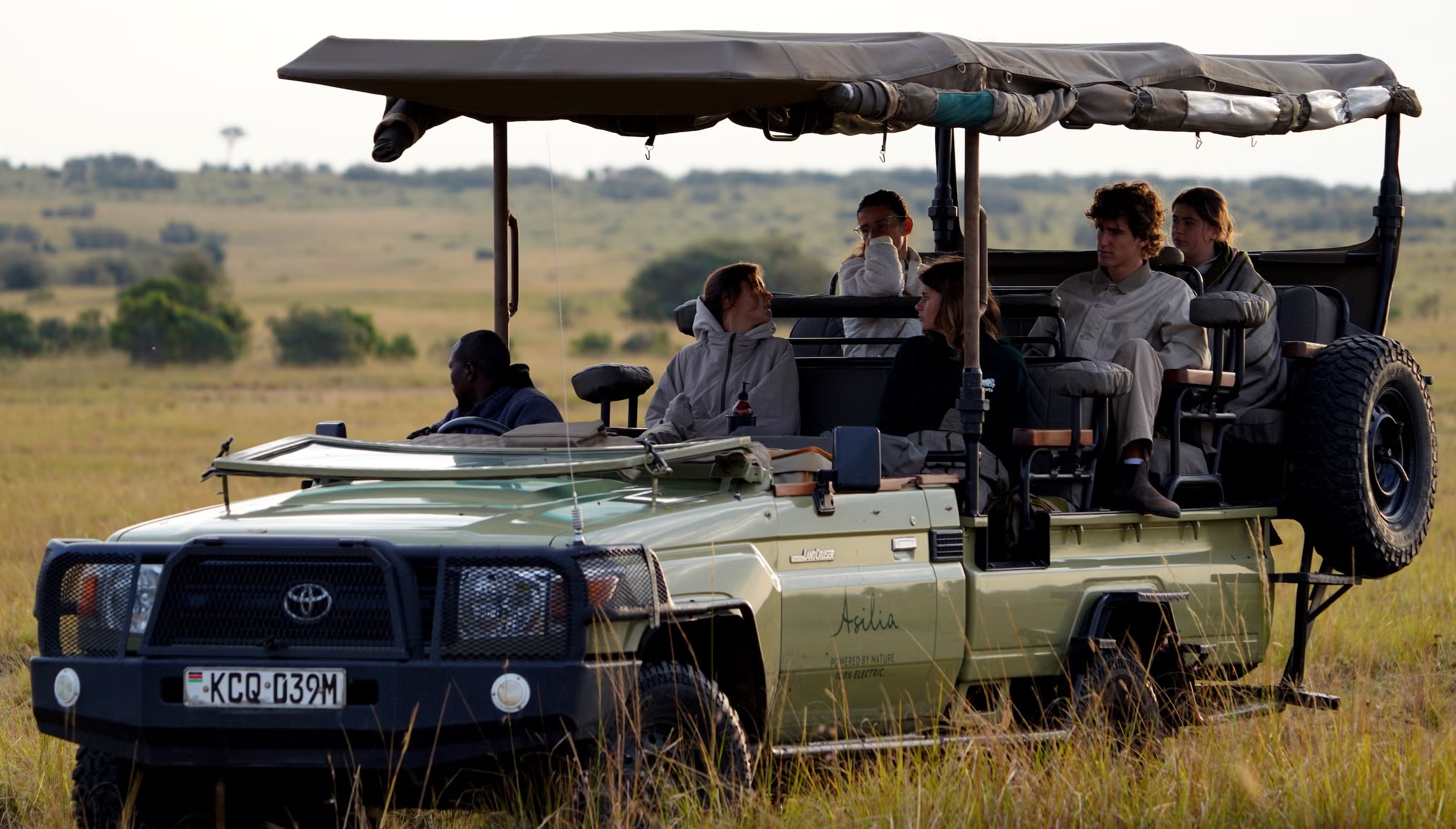
Electric safaris are revolutionising wildlife tourism in Africa, offering a quieter, more sustainable way to experience the continent’s rich biodiversity. By replacing traditional diesel engines with electric power, these vehicles minimise noise pollution, reduce carbon emissions, and enhance animal interactions.
The Rise of Electric Safari Vehicles
In recent years, the adoption of electric vehicles (EVs) in safari operations has gained significant momentum. Advancements in technology, decreasing conversion costs, and escalating fuel prices have made EVs a viable option for safari operators across East and Southern Africa. Companies like Asilia Africa have been at the forefront, integrating electric game viewers into their fleets. As of May 2026, Asilia Africa operates seven electric game viewers at Emboo Camp in Kenya’s Maasai Mara, alongside other EVs in Nairobi and Arusha. (tourismupdate.com)
Benefits of Electric Safari Vehicles
-
Reduced Noise Pollution: Electric vehicles operate almost silently, allowing tourists to observe wildlife without disturbing their natural behaviours.
-
Lower Emissions: By eliminating the need for fossil fuels, EVs contribute to a decrease in greenhouse gas emissions, supporting global conservation efforts.
-
Enhanced Wildlife Interaction: The quiet nature of EVs enables closer encounters with animals, as they are less likely to be startled by vehicle noise.
Challenges and Considerations
Despite the advantages, the transition to electric safari vehicles presents challenges:
-
Infrastructure Development: Establishing reliable charging stations in remote areas is essential to support EV operations.
-
Cost Implications: The initial investment for converting traditional vehicles to electric can be substantial, though operational savings over time can offset these costs.
-
Range Limitations: Ensuring that EVs have sufficient battery life for full-day safari excursions is crucial for their practicality.
Looking Ahead
The shift towards electric safari vehicles aligns with a broader trend in luxury travel, where sustainability and immersive experiences are increasingly valued. As more operators adopt EVs, the African safari industry is poised to offer more eco-friendly and intimate wildlife encounters, setting a new standard for responsible tourism.
In conclusion, electric safaris are not just a passing trend but a transformative movement in African wildlife tourism, promising a harmonious blend of adventure, sustainability, and conservation.