
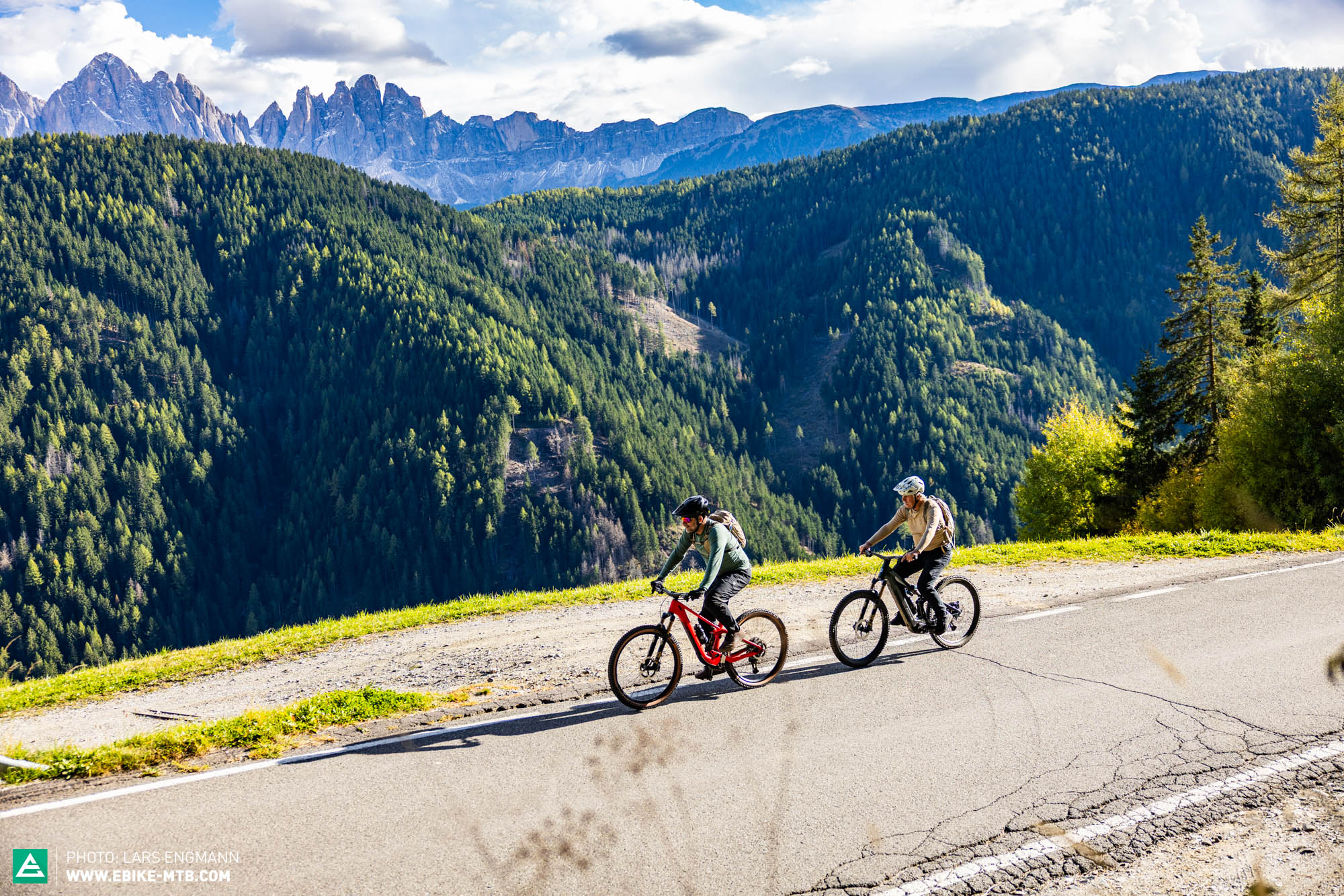
Ecoism Over Extremism: Rethinking Our Approach to E-MTBs
In the realm of electric mountain bikes (E-MTBs), there’s a prevailing narrative that equates power and range with performance. However, this perspective often overlooks the everyday realities of riders. The majority of E-MTB users find themselves predominantly in Eco mode, highlighting a disconnect between the bikes’ capabilities and actual usage patterns.
The Disconnect Between Design and Usage
E-MTBs are engineered with high-performance components, boasting powerful motors and large batteries designed for challenging terrains and extended rides. Yet, most riders engage in shorter, less demanding excursions, utilizing the Eco mode to conserve battery life and maintain a manageable weight. This discrepancy suggests that the market’s emphasis on extreme specifications may not align with the typical rider’s needs.
Understanding the Eco Rider
The “Eco Rider” archetype encompasses several user groups, each with distinct motivations for favoring the Eco mode:
- Tourists: Seek tranquility and a steady pace to immerse themselves in nature.
- Fitness Enthusiasts: Utilize the Eco mode to achieve optimal training effects without overexertion.
- Range Optimizers: Aim to maximize distance and efficiency, often choosing larger batteries out of concern for running out of power.
- Safety-Conscious Riders: Prefer to have power reserves available, even if they seldom utilize them.
Despite their varied reasons, these riders share a preference for efficiency, controlled power delivery, and lighter bike weight over maximum peak performance.
Reevaluating Bike Design for Everyday Use
The current market often prioritizes extreme specifications, such as high torque and large battery capacities, which may not be necessary for the average rider. This focus can result in heavier bikes that are less agile and more cumbersome for daily use. A more balanced approach would involve designing bikes that cater to the typical rider’s needs, emphasizing:
- Appropriate Motor and Battery Power: Tailored to the demands of regular riding rather than extreme scenarios.
- Efficiency in Lower Power Settings: Ensuring that the Eco mode provides a natural and supportive riding experience.
- Realistic Battery Capacities: Aligning battery size with typical riding distances to avoid unnecessary weight.
- Weight Reduction: Utilizing materials and designs that make the bike more responsive and easier to handle.
Conclusion
The E-MTB market is at a crossroads. By shifting the focus from extreme specifications to designs that reflect the everyday experiences of riders, manufacturers can create bikes that are more in tune with actual usage patterns. This approach not only enhances the riding experience but also aligns with the growing demand for practical and efficient E-MTBs.
For a visual overview of the latest trends in MTB and E-MTB bikes for 2026, you might find the following video insightful:
Trends you’ll see in MTB and e-MTB bikes in 2026!