
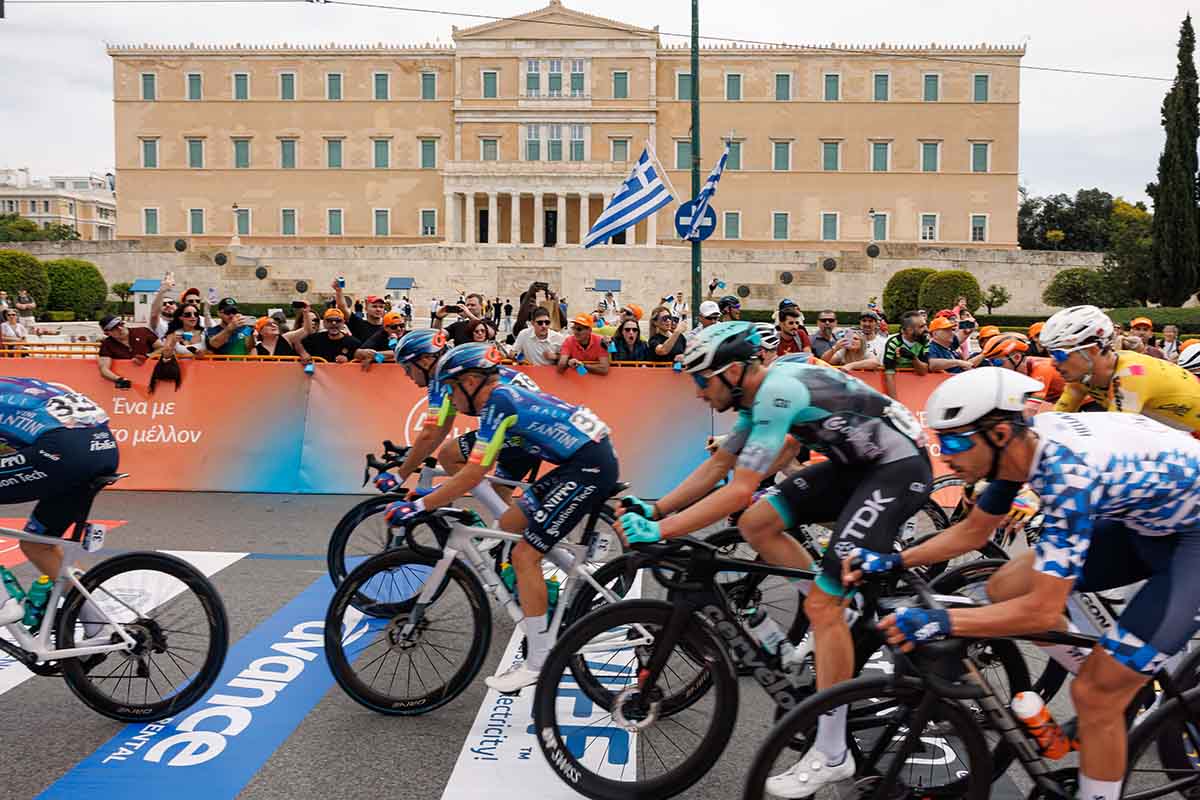
Athens to host 2026 UCI Mobility & Bike City Forum | UCIWhat Does a City Gain After the Giro?
The recent conclusion of the Tour of Hellas in Athens prompted a pivotal question at the eighth UCI Mobility and Bike City Forum: What truly remains for a city once the race departs? This inquiry delves into the enduring impacts of cycling events on urban communities.
Beyond the Finish Line: Lasting Urban Benefits
Cycling events like the Giro d’Italia and the Tour of Hellas often leave behind more than just memories of competitive racing. They can catalyze significant urban transformations, fostering a culture of cycling that permeates daily life.
Athens: Paving the Way for Sustainable Mobility
Athens, with less than 1% of urban commutes currently by bicycle, is investing in cycling infrastructure and a network of free electric buses to connect various city districts. The goal is to reclaim public space from automobiles, aiming to create a more accessible and resilient urban model.
Cycling Tourism: A Strategy for Year-Round Engagement
In Greece, approximately 70% of tourist flows concentrate between June and August, coinciding with the hottest months. Developing cycling tourism routes that utilize secondary roads and low-traffic itineraries can help distribute tourist activity throughout the year, benefiting less-known areas and extending the tourist season.
Global Perspectives: Kigali to Copenhagen
Kigali, the first African city to receive the UCI Bike City recognition, faces challenges in integrating cycling into its urban fabric amidst rapid economic growth. Conversely, cities like Copenhagen exemplify advanced cycling mobility through urban planning, dedicated cycling policy offices, and continuous monitoring systems to assess long-term results.
Leveraging Events for Cultural Impact
Organizers like Taxis Xouris emphasize that hosting a successful race is just one aspect; the true impact lies in pre- and post-event activities that engage the community. Initiatives such as school programs, mechanical courses, cultural events related to cycling, and road safety campaigns can leave a lasting legacy.
Conclusion: Building a Cycling Legacy
The true value of hosting cycling events extends beyond the race itself. By investing in infrastructure, promoting cycling tourism, and fostering a cycling culture, cities can create lasting benefits that enhance urban life and contribute to a more sustainable future.