
Grand Canyon’s Water Management: Navigating Challenges and Proposals
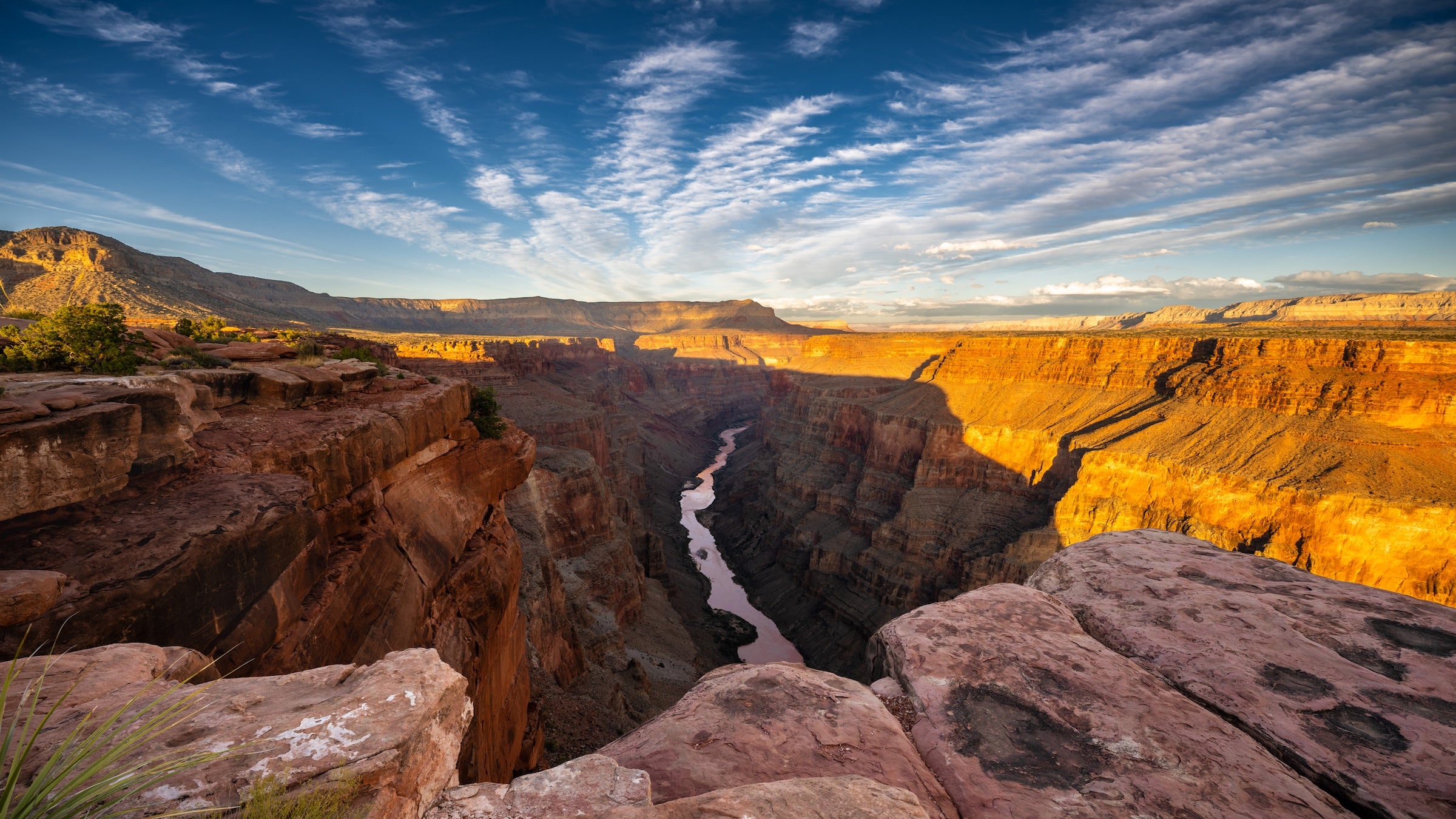
The Grand Canyon, a natural wonder carved by the Colorado River, is facing unprecedented challenges in water management. Recent developments underscore the urgency of addressing these issues to preserve the canyon’s ecological and cultural integrity.
Current Water Management Proposals
In January 2026, the Bureau of Reclamation, under the Department of the Interior, introduced five proposals to manage the Colorado River’s flow through the Grand Canyon. These plans aim to balance water supply and demand among the seven states dependent on the river. Each proposal mandates reductions in water consumption, reflecting the severity of the ongoing drought affecting the American Southwest.
State-Level Negotiations and Federal Involvement
The seven Colorado River basin states have historically struggled to agree on equitable water distribution. The previous agreement expired on December 31, 2025, and the states missed the February 14, 2026, deadline to establish a new one. Consequently, the federal government has stepped in to propose new regulations. Jen Pelz, an attorney and water advocate with the Grand Canyon Trust, emphasized the importance of these rules in managing the Glen Canyon and Hoover Dams, as well as addressing the supply-demand imbalance.
Impact of Climate Change and Human Activities
The Grand Canyon’s ecosystem is already stressed due to climate change and human activities. Alterations in the Colorado River’s flow could have long-term effects on the canyon’s environment and the communities that rely on its resources.
Transcanyon Waterline Rehabilitation
To address infrastructure challenges, the National Park Service is undertaking a $208 million rehabilitation of the Transcanyon Waterline, a critical pipeline supplying water from the North Rim to the South Rim. This multi-year project, expected to conclude in 2027, aims to modernize the aging system and ensure a reliable water supply for the park’s operations and visitors. (nps.gov)
Recent Water Conservation Measures
In response to water shortages, Grand Canyon National Park has implemented various conservation measures. In February 2026, following a power outage affecting the Havasupai Gardens pumphouse, the park urged residents and visitors to reduce water usage by limiting toilet flushing, shortening showers, and reporting leaks. (nps.gov) These efforts are part of a broader strategy to manage water resources effectively during the rehabilitation of the Transcanyon Waterline.
Looking Ahead
The Grand Canyon’s water future hinges on collaborative efforts among federal agencies, state governments, and conservation organizations. As the rehabilitation of the Transcanyon Waterline progresses and new water management regulations are considered, it is crucial to balance ecological preservation with the needs of the millions who visit and reside in the region.
Highlights:
- Hobbs heads to D.C. for Colorado River talks as feds’ deadline approaches, Published on Thursday, January 29