
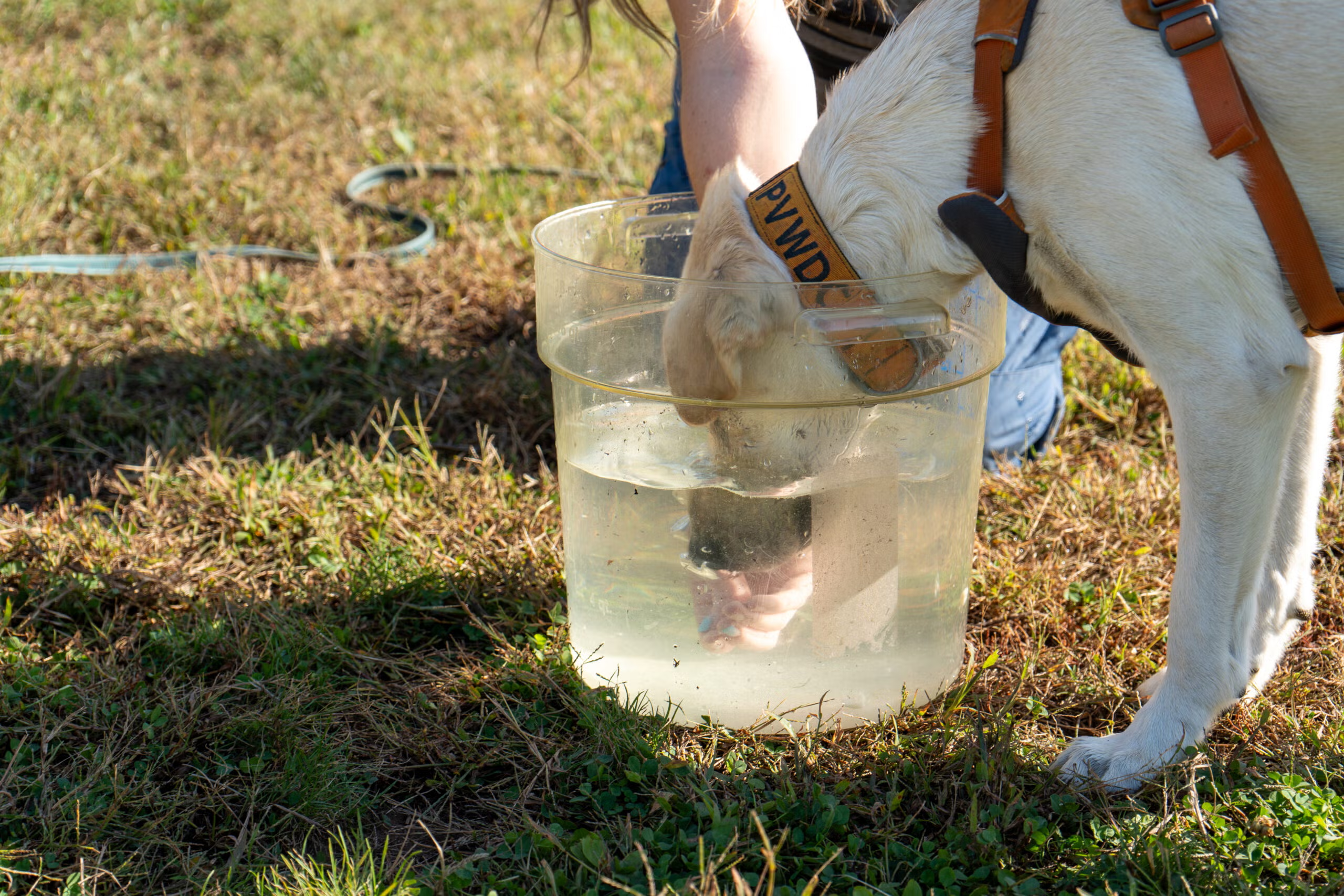
A Simple Bucket of Water Could Save Your Dog From Heatstroke
As temperatures soar, ensuring your dog’s safety becomes paramount. Heatstroke is a life-threatening condition that can escalate rapidly, especially during intense physical activities or in hot environments. Recognizing the signs and implementing preventive measures are crucial steps every dog owner should take.
Understanding Heatstroke in Dogs
Heatstroke occurs when a dog’s body temperature rises above 104°F (40°C), overwhelming its natural cooling mechanisms. This condition can lead to organ failure and, if untreated, can be fatal. Dogs primarily regulate their body temperature through panting, but during extreme heat, this method becomes insufficient.
Recognizing the Signs
Early detection of heatstroke is vital. Common symptoms include:
- Excessive panting or rapid breathing
- Thick drooling or foamy saliva
- Vomiting or diarrhea
- Weakness or lethargy
- Disorientation or uncoordinated movements
- Bright red, pale, or bluish gums
- Increased heart rate
- Collapse or seizures
If you observe any of these signs, it’s imperative to act swiftly. Move your dog to a cool, shaded area and contact your veterinarian immediately. (chewy.com)
Preventive Measures
Preventing heatstroke is far more effective than treating it. Consider the following strategies:
- Hydration: Always provide fresh, cool water for your dog, especially during outdoor activities.
- Shade and Cooling: Ensure your dog has access to shade and, if possible, a kiddie pool with shallow water to help cool down. (rexvet.org)
- Exercise Timing: Schedule walks and play sessions during cooler parts of the day, such as early morning or late evening.
- Avoid Hot Surfaces: Be cautious of hot pavement, which can burn paw pads in as little as 30 seconds. (rexvet.org)
- Vehicle Safety: Never leave your dog unattended in a parked car, even with the windows cracked. Temperatures can rise rapidly, leading to heatstroke. (peta.org)
Cooling Techniques
In the event of overheating, cooling your dog promptly is essential. One effective method is to dunk your dog’s head in water. This technique cools the head, mouth, and nose, accelerating the cooling process. However, it’s crucial to train your dog to accept this procedure safely.
Training Your Dog for Head Dunking
To familiarize your dog with the head dunking technique:
- Introduce the Water: Place a treat or favorite toy in a shallow container and let your dog retrieve it.
- Gradual Immersion: Slowly add water to the container, ensuring it covers the bottom but doesn’t submerge the dog’s nose.
- Encourage Submersion: As your dog becomes comfortable, increase the water level, encouraging them to dunk their head to retrieve the item.
Always ensure your dog is blowing air out of its nose when dunking to prevent water inhalation. Never attempt this method if your dog is lethargic, seizing, or collapsed. In such cases, seek immediate veterinary care.
Conclusion
Heatstroke is a serious threat to our canine companions, but with vigilance and proper care, it can be prevented. By recognizing the signs, implementing preventive measures, and training your dog for emergency cooling techniques, you can ensure your dog’s safety during the warmer months.