
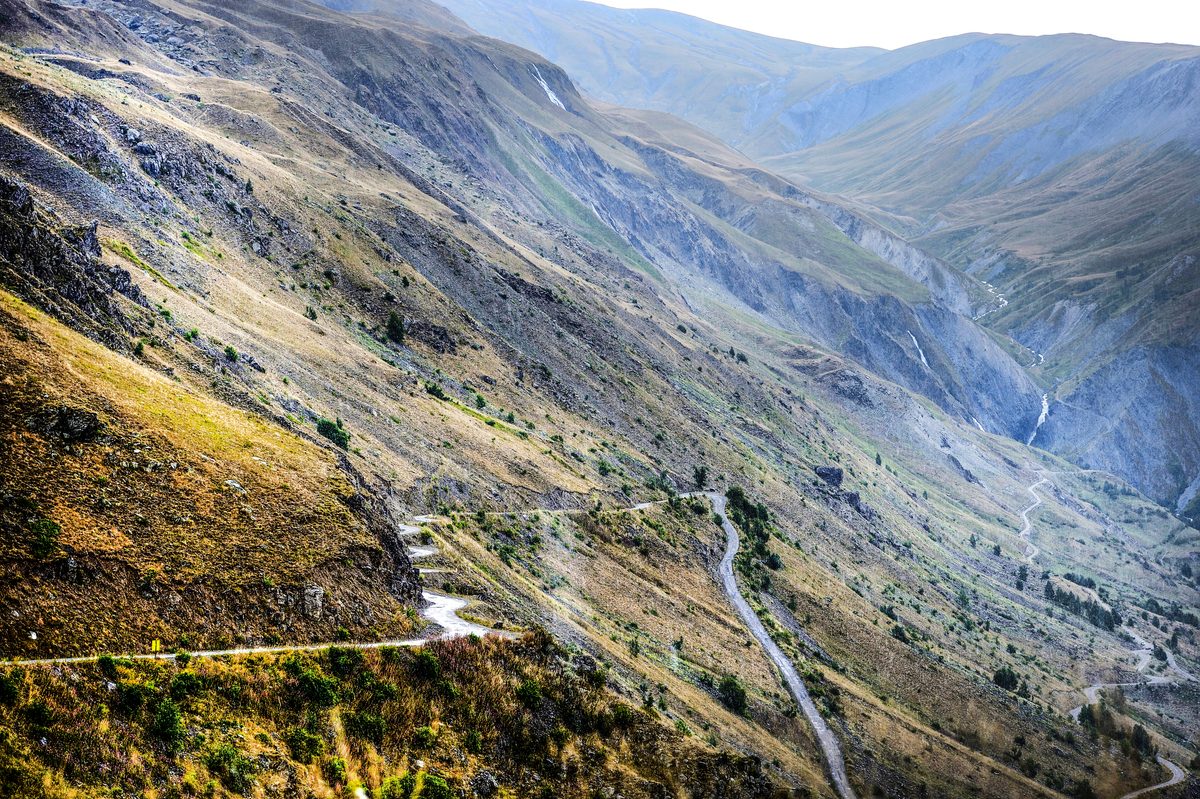
Les trois choses à retenir du parcours du Tour de France 2026The Col de Sarenne, a rugged and picturesque mountain pass in the French Alps, is set to make its debut as a climb in the 2026 Tour de France during the penultimate Stage 20. This ascent, previously used only as a descent in the 2013 edition, offers a fresh and challenging route to the iconic Alpe d’Huez.
A New Challenge for Cyclists
The Col de Sarenne spans 12.8 kilometers with an average gradient of 7.3%, presenting a formidable challenge for riders. Unlike the classic Alpe d’Huez route, which is renowned for its 21 hairpin bends, the Sarenne offers a more secluded and demanding climb. The ascent is characterized by mixed gradients, uneven road surfaces, and often provides a sense of isolation, making it a true test of a cyclist’s endurance and skill. (letapedutourdefrance.com)
Environmental and Logistical Considerations
The inclusion of the Col de Sarenne in the Tour de France has not been without controversy. Environmental groups and local residents have expressed concerns about the potential impact on the sensitive alpine ecosystem. In response, organizers have implemented measures to minimize disruption, including restricting motor vehicle access to the area and limiting spectator presence during the race. (letapedutourdefrance.com)
Recent Developments
In late June 2026, the Col de Sarenne experienced two significant mudslides, raising concerns about the safety and feasibility of the planned route for Stage 20. Authorities have been working diligently to clear the debris and assess the stability of the pass to ensure a safe passage for the race. (info.fr)
Stage 20: A Grueling Test
Stage 20 of the 2026 Tour de France is poised to be one of the most demanding in recent history. The route includes the Col de la Croix de Fer, the Col du Télégraphe, the Col du Galibier, and culminates with the ascent of the Col de Sarenne to Alpe d’Huez. This combination of climbs will test the limits of even the most seasoned riders, with a total elevation gain of approximately 5,450 meters in a single stage. (tour-magazin.de)
Looking Ahead
As the 2026 Tour de France approaches, all eyes will be on the Col de Sarenne. Its inclusion not only adds a new dimension to the race but also highlights the evolving nature of the Tour’s route design. Cycling enthusiasts and participants alike are eager to witness how this challenging ascent will influence the dynamics of the race and the strategies employed by the contenders.
For a visual overview of the Col de Sarenne and its significance in the 2026 Tour de France, you might find the following video insightful:
Col de Sarenne: Should the 2026 Tour de France Really Go Here?