
Addressing Bicycle Parking Challenges in Urban Environments
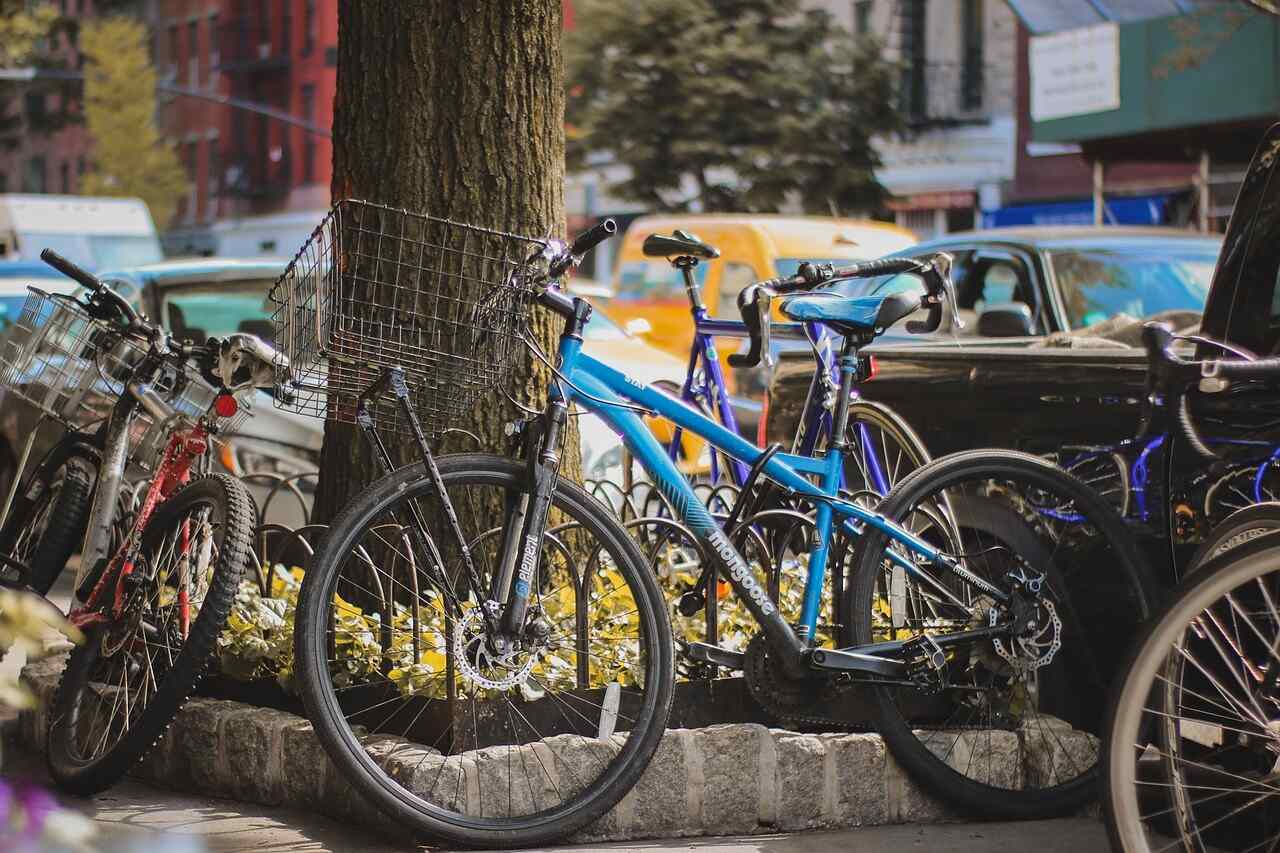
As urban centers worldwide embrace cycling as a sustainable mode of transportation, a pressing issue has emerged: the management of bicycle parking. The surge in cyclists has led to bicycles being haphazardly secured to street signs, lampposts, and other public fixtures, obstructing pedestrian pathways and compromising urban aesthetics.
The Need for Structured Bicycle Parking
To mitigate these challenges, cities are increasingly implementing structured bicycle parking solutions. For instance, New York City has initiated a program to establish 500 secure bike parking locations, actively seeking public input on optimal placements. (nyc.gov) Similarly, the Shared Micromobility Alliance highlights the importance of designated parking areas, noting that cities are moving away from unregulated free-floating models in favor of more organized approaches to protect public spaces while maintaining convenience. (micromobilityalliance.com)
Designing Effective Bicycle Parking Facilities
Effective bicycle parking facilities are characterized by high quality, sufficient capacity, and ubiquity. They should be convenient, secure, and reliable for both short-term and long-term use, with higher security measures for extended stays. Additionally, these facilities should be widespread, ensuring that cyclists can find suitable parking options throughout the city. (moreworks.org)
Legal Considerations and Best Practices
It’s crucial for cyclists to be aware of local regulations regarding bicycle parking. In many cities, locking a bike to street signs or other public fixtures is prohibited, as it can obstruct pedestrian pathways and damage public property. Cyclists are encouraged to use designated bike racks or other approved parking facilities to avoid potential fines and ensure the safety of their bicycles. (legalclarity.org)
Conclusion
As cycling continues to gain popularity in urban areas, the development of structured and accessible bicycle parking solutions becomes imperative. By investing in well-designed facilities and adhering to local regulations, cities can foster a safer and more efficient cycling environment, benefiting both cyclists and pedestrians alike.