
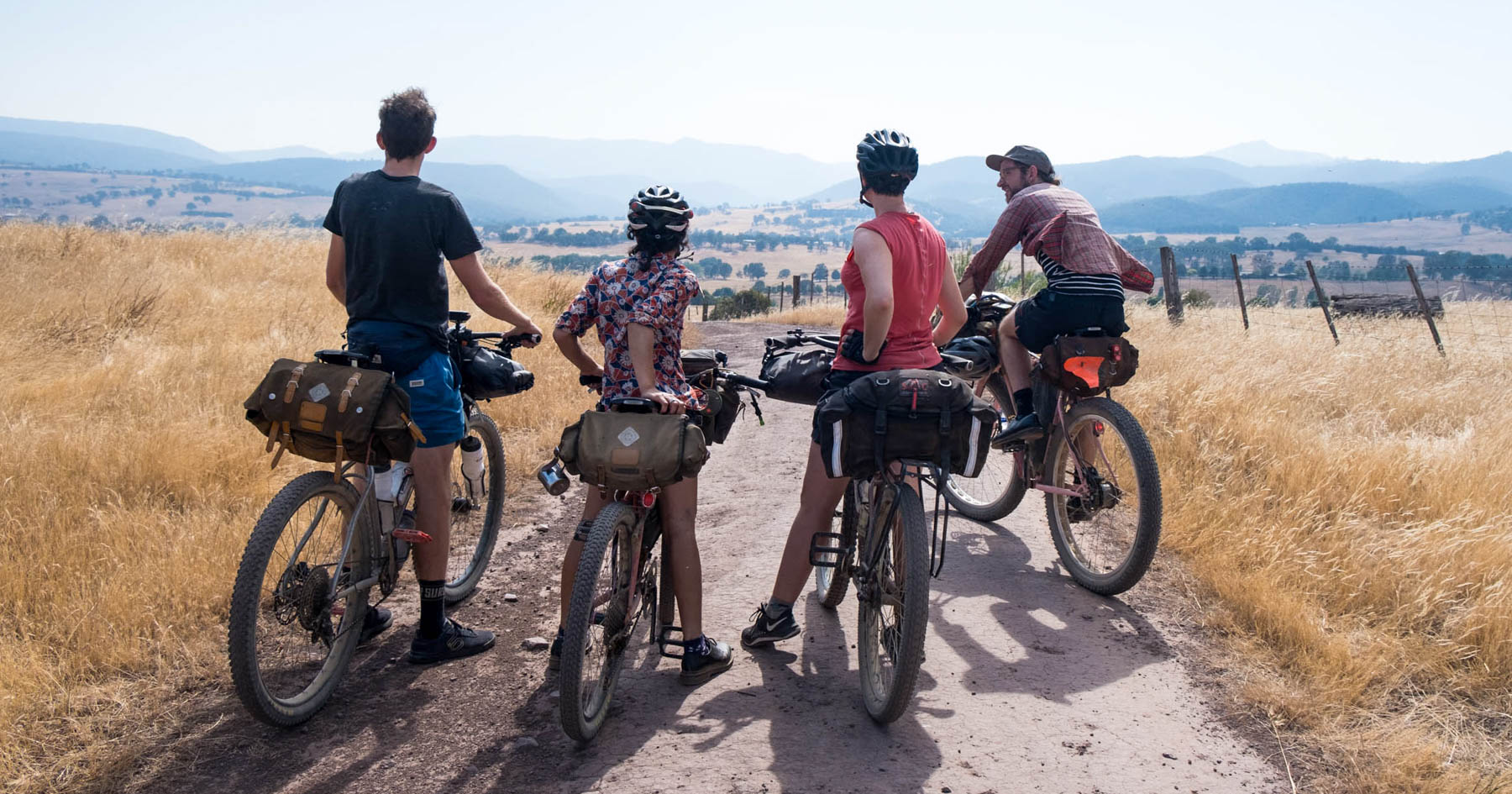
Wildfires and Their Impact on Bikepacking: A 2026 Perspective
In recent years, the landscape of bikepacking has been increasingly shaped by the escalating threat of wildfires. The summer of 2026 has been particularly challenging, with numerous fires affecting popular cycling routes and raising concerns about safety and accessibility.
The 2026 Wildfire Season: A Snapshot
The 2026 wildfire season has been unprecedented in scale and intensity. According to reports, the United States has experienced a significant number of wildfires, with over 15,000 incidents reported by mid-year, burning more than 1.5 million acres. This surge in wildfire activity has been attributed to a combination of factors, including prolonged heatwaves, drought conditions, and climate change-induced weather patterns. (en.wikipedia.org)
Impact on Bikepacking Routes
The ramifications for bikepackers have been profound. In July 2026, the Boundary Waters Canoe Area Wilderness in Minnesota was entirely closed due to 16 active fires, affecting nearly 9,000 acres. This closure not only disrupted planned bikepacking trips but also highlighted the broader challenges posed by wildfires to outdoor recreation. (kaxe.org)
Similarly, in Arizona, the Havasu Fire in Mohave County, which began as an escaped prescribed burn, burned over 3,800 acres, leading to evacuations and trail closures. Such incidents underscore the unpredictability and rapid escalation of wildfires, making it imperative for bikepackers to stay informed and adaptable. (en.wikipedia.org)
Adapting to the New Normal
For bikepackers, navigating this new reality requires proactive planning and vigilance. Experts recommend regularly consulting resources like the National Interagency Fire Center for updates on fire activity and potential closures. Additionally, utilizing platforms such as Watch Duty can provide real-time information on wildfire incidents and air quality, aiding in route planning and safety decisions. (worktruckonline.com)
Conclusion
The summer of 2026 has been a pivotal moment for the bikepacking community, emphasizing the need for heightened awareness and adaptability in the face of increasing wildfire threats. By staying informed and prepared, cyclists can continue to enjoy the trails while prioritizing safety and environmental stewardship.
Highlights:
- Cyclists have fewer options for safe riding in US national monuments as Trump removes protections, Published on Friday, July 17