
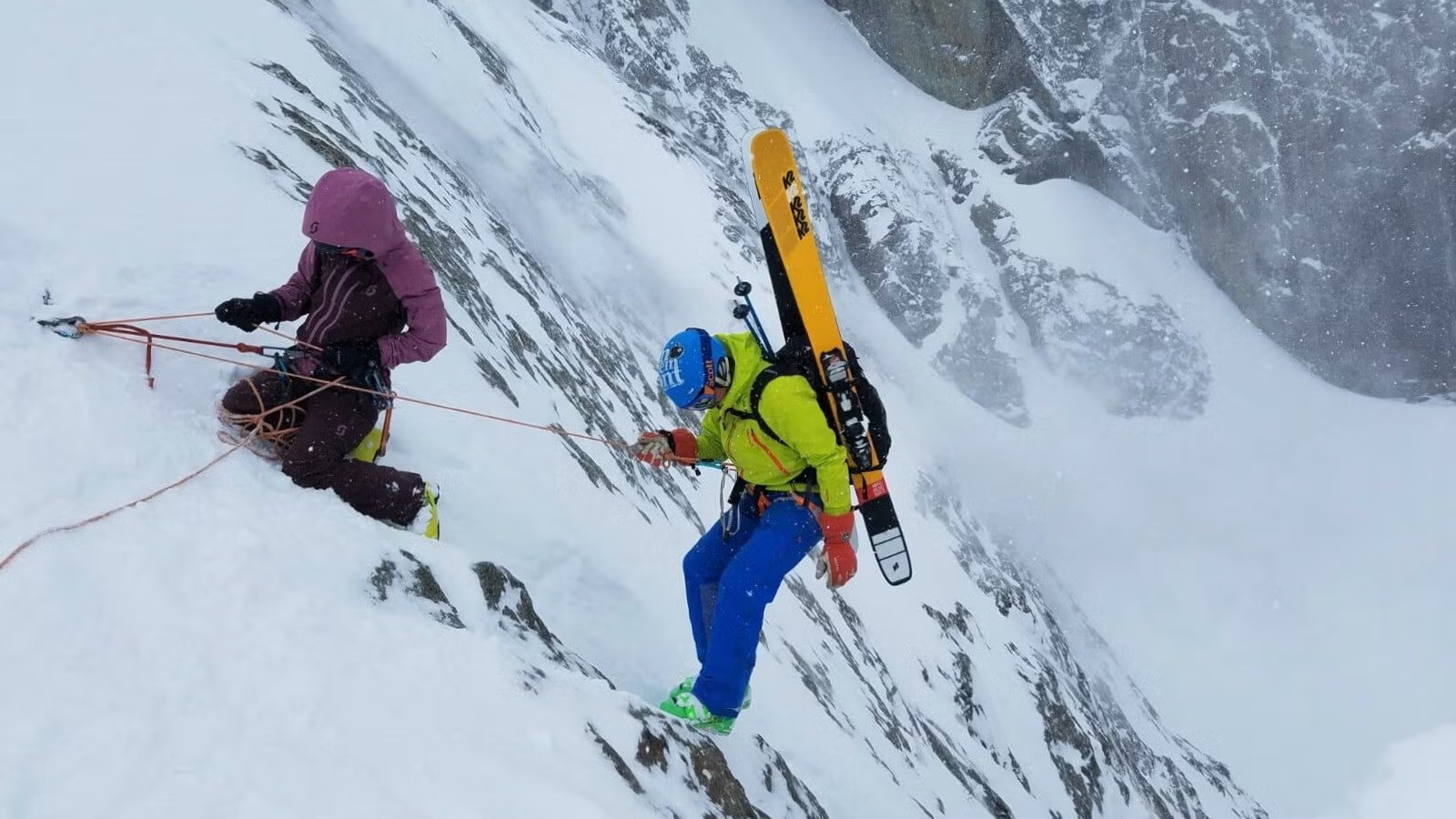
Embarking on a career as a mountain guide is a pursuit that demands not only a profound passion for the outdoors but also an unwavering commitment to mastering a complex array of skills and navigating a landscape fraught with inherent risks. This profession, often romanticized in adventure narratives, is grounded in rigorous training, continuous education, and a deep understanding of the multifaceted challenges that come with guiding clients through some of the world’s most treacherous terrains.
Rigorous Training and Certification
The journey to becoming a certified mountain guide is both demanding and exhaustive. In the United States, the American Mountain Guides Association (AMGA) offers a comprehensive certification program encompassing three disciplines: Alpine, Rock, and Ski. To attain the esteemed American Mountain Guide (AMGA/IFMGA) credential, candidates must successfully complete exams in all three areas, hold current Wilderness First Responder (WFR) and CPR certifications, and possess Professional Avalanche Training Level 2. (amga.com)
Internationally, the International Federation of Mountain Guides Associations (IFMGA) sets the global standard for guide training. Their program spans a minimum of 94 days, integrating group courses, supervised practical learning, and independent work experience. This extensive curriculum ensures that guides are equipped with the technical expertise and soft skills necessary to operate safely and professionally in diverse mountain environments. (ifmga.net)
The Unseen Challenges
Beyond the technical training lies the reality of the profession’s inherent risks. Accident data from France between 2003 and 2018 recorded 4,320 incidents, including 132 fatalities, averaging over eight fatal accidents annually among approximately 1,600 active guides. This statistic underscores the perilous nature of the profession and the critical importance of comprehensive risk management strategies. (foncsi.org)
The profession also demands significant personal sacrifices. Guides often face extended periods away from family and friends, endure physically demanding conditions, and make difficult decisions to ensure client safety, even if it means canceling trips due to adverse conditions. The ability to manage client expectations and make informed decisions in high-pressure situations is paramount.
Evolving Risks and Responsibilities
Recent events have highlighted the evolving challenges within the guiding profession. In February 2026, a tragic avalanche in California resulted in the loss of nine lives, including three guides. The California Division of Occupational Safety and Health (Cal/OSHA) subsequently fined Blackbird Mountain Guides over $150,000 for alleged safety violations, including failing to keep guides out of avalanche terrain when the danger was rated “high.” (kunr.org)
This incident underscores the critical importance of adhering to safety protocols and the potential consequences of lapses in judgment. Guides must continuously assess and mitigate risks, balancing the desire to provide clients with memorable experiences against the imperative of ensuring their safety.
Conclusion
Becoming a mountain guide is a formidable endeavor that extends far beyond the allure of adventure. It requires a blend of technical proficiency, emotional resilience, and an unwavering commitment to safety. For those willing to embrace these challenges, the rewards are profound: the opportunity to share a passion for the mountains, foster deep connections with clients, and contribute to the rich tapestry of mountaineering history.