
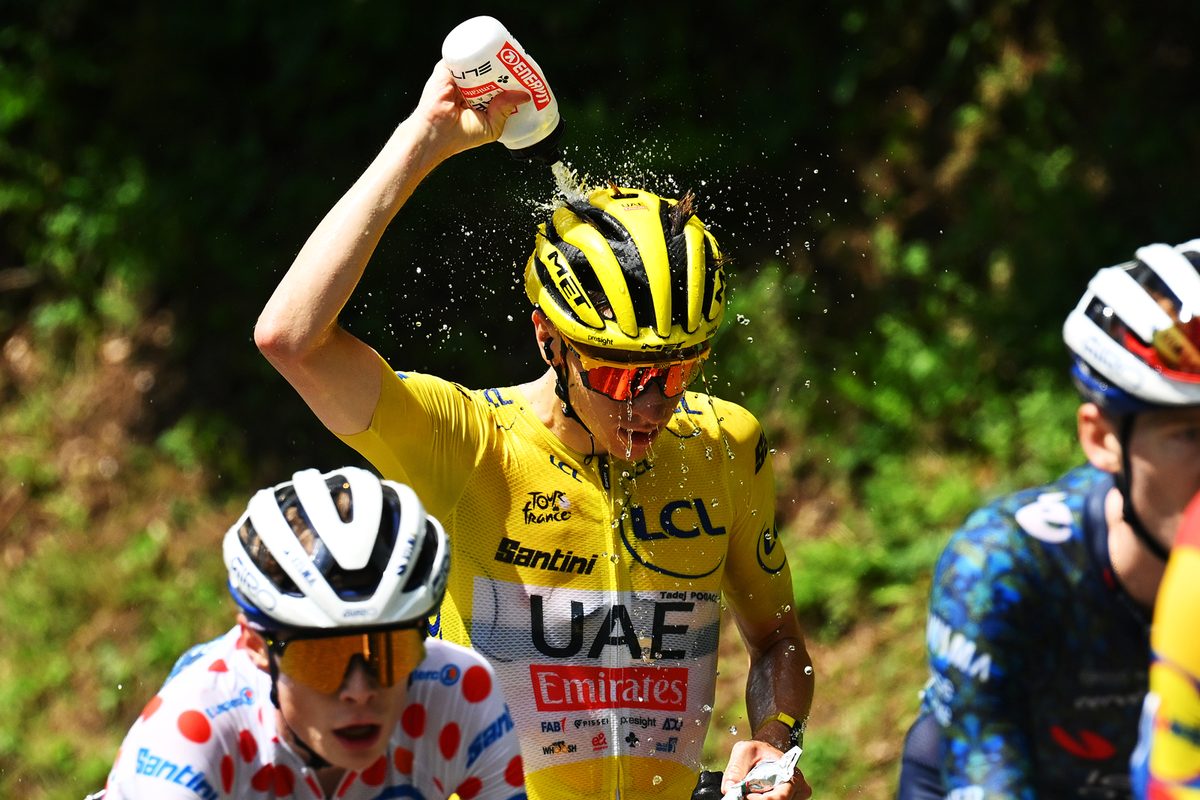
Cycling during a heatwave can be both exhilarating and challenging. The combination of speed and airflow offers a respite from oppressive temperatures, yet the risks associated with heat exposure are significant. Understanding how to manage hydration, nutrition, and acclimatization is crucial for maintaining performance and safety.
1. Hydration: Balance is Key
Maintaining optimal hydration is essential for performance and safety. Dehydration can lead to increased heart rate, reduced power output, and impaired cognitive function. However, overhydration, or hyponatremia, can also be dangerous. Aim to drink 500–700 ml of fluid per hour in moderate conditions, increasing to 900 ml or more per hour in extreme heat. Incorporate electrolytes into your hydration strategy to replace sodium lost through sweat. (roadmancycling.com)
2. Pre-Ride Hydration
Begin hydrating well before your ride. Consume 500–750 ml of water or an electrolyte drink 2–3 hours prior to cycling. This practice ensures you’re starting your ride in a well-hydrated state, providing a buffer against the initial fluid loss during exercise. (biketips.com)
3. Sun Protection
Protecting your skin from sunburn is vital. Apply a broad-spectrum sunscreen with a high SPF rating to exposed skin areas. Reapply every two hours or after sweating to maintain effective protection. Additionally, wear clothing with UPF (Ultraviolet Protection Factor) ratings and consider using a cooling towel or bandana to shield your neck and face.
4. Acclimatization
Acclimating your body to heat can enhance performance and comfort. Gradually increase your exposure to warmer conditions by incorporating heat training sessions into your routine. This process allows your body to adapt to higher temperatures, improving thermoregulation and endurance. (roadmancycling.com)
5. Post-Ride Recovery
After cycling in the heat, prioritize recovery to aid in muscle repair and replenish lost fluids. Consume a recovery drink containing carbohydrates and protein within 30 minutes post-ride. Continue hydrating with water and electrolyte solutions to restore fluid balance. Monitor your urine color to ensure adequate hydration; pale yellow indicates proper hydration, while dark urine suggests dehydration.
6. Clothing Choices
Selecting appropriate attire can significantly impact comfort and performance. Opt for lightweight, moisture-wicking fabrics that promote ventilation. Light-colored clothing reflects sunlight, while dark colors can absorb heat. Ensure your helmet has adequate ventilation, and wear sunglasses to protect your eyes from UV rays.
7. Nutrition
In hot conditions, appetite can decrease, making it challenging to consume sufficient calories. Opt for easily digestible foods such as energy gels, bars, or liquids to maintain energy levels. Aim for 30–60 grams of carbohydrates per hour during extended rides to sustain performance. (gatorade.com)
8. Monitor Environmental Conditions
Stay informed about weather forecasts and adjust your riding plans accordingly. Be aware of heat advisories and consider rescheduling rides to cooler parts of the day, such as early morning or evening. Recognize signs of heat-related illnesses, including dizziness, nausea, and excessive fatigue, and take immediate action if they occur.
9. Calculate Your Sweat Rate
Understanding your personal sweat rate can help tailor your hydration strategy. Weigh yourself before and after a ride to determine fluid loss. For example, a 1 kg weight loss equates to approximately 1 liter of fluid lost. This information allows you to adjust your fluid intake to match your individual needs. (roadmancycling.com)
By implementing these strategies, cyclists can effectively navigate the challenges posed by hot weather, ensuring safety and optimal performance on every ride.
For a more in-depth discussion on cycling in hot weather, including hydration and nutrition tips, you might find this video helpful:
Hot Weather Cycling | Hydration & Nutrition Tips for Riding in the Heat