
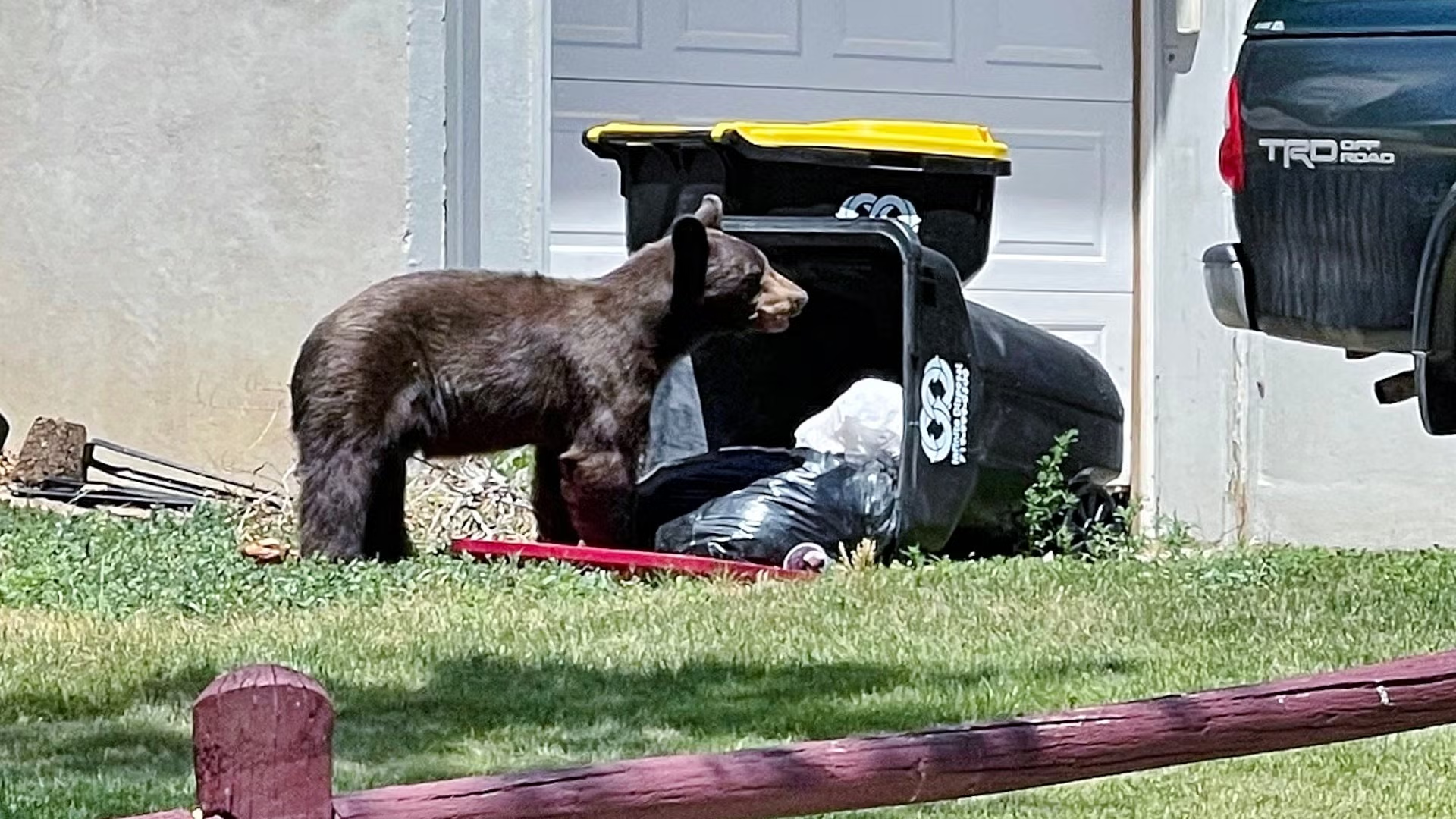
In early September 2026, a 300-pound black bear in Durango, Colorado, was euthanized after ingesting human trash that obstructed its intestines. Colorado Parks and Wildlife (CPW) received a report of a lethargic bear behind a residence on Delwood Avenue. Upon arrival, District Wildlife Manager Luke Clancy observed the bear moaning and severely bloated, unable to move beyond standing and pivoting. After tranquilizing the animal and conducting a health assessment, CPW officers determined euthanasia was necessary. A field necropsy revealed the bear’s stomach and upper intestine were completely blocked with trash, including entire plastic garbage bags and at least 10 non-flushable cleaning wipes. (api.einpresswire.com)
This incident underscores the escalating human-bear conflicts in Colorado, attributed to food scarcity and drought conditions. CPW has logged over 8,000 bear reports this year, a significant increase from previous years. The agency has euthanized over 294 bears so far this year, compared to 98 in all of 2025. (backpacker.com)
To mitigate such conflicts, CPW urges residents to secure food, garbage, and recycling; remove bird feeders when bears are active; never leave pet food outdoors; clean and store grills after each use; and alert neighbors to bear activity in the area. (kiowacountypress.net)
Additionally, Colorado law prohibits placing food or edible waste in the open to lure wild bears. The law was strengthened by HB26-1342, effective August 12, 2026, lowering the mental state requirement from intentional to knowingly placing food or edible waste where there is a reasonable probability of luring a wild bear, and increasing fines for repeat offenses. (kiowacountypress.net)
This tragic event serves as a stark reminder of the consequences of improper waste management and the importance of coexisting responsibly with wildlife.