
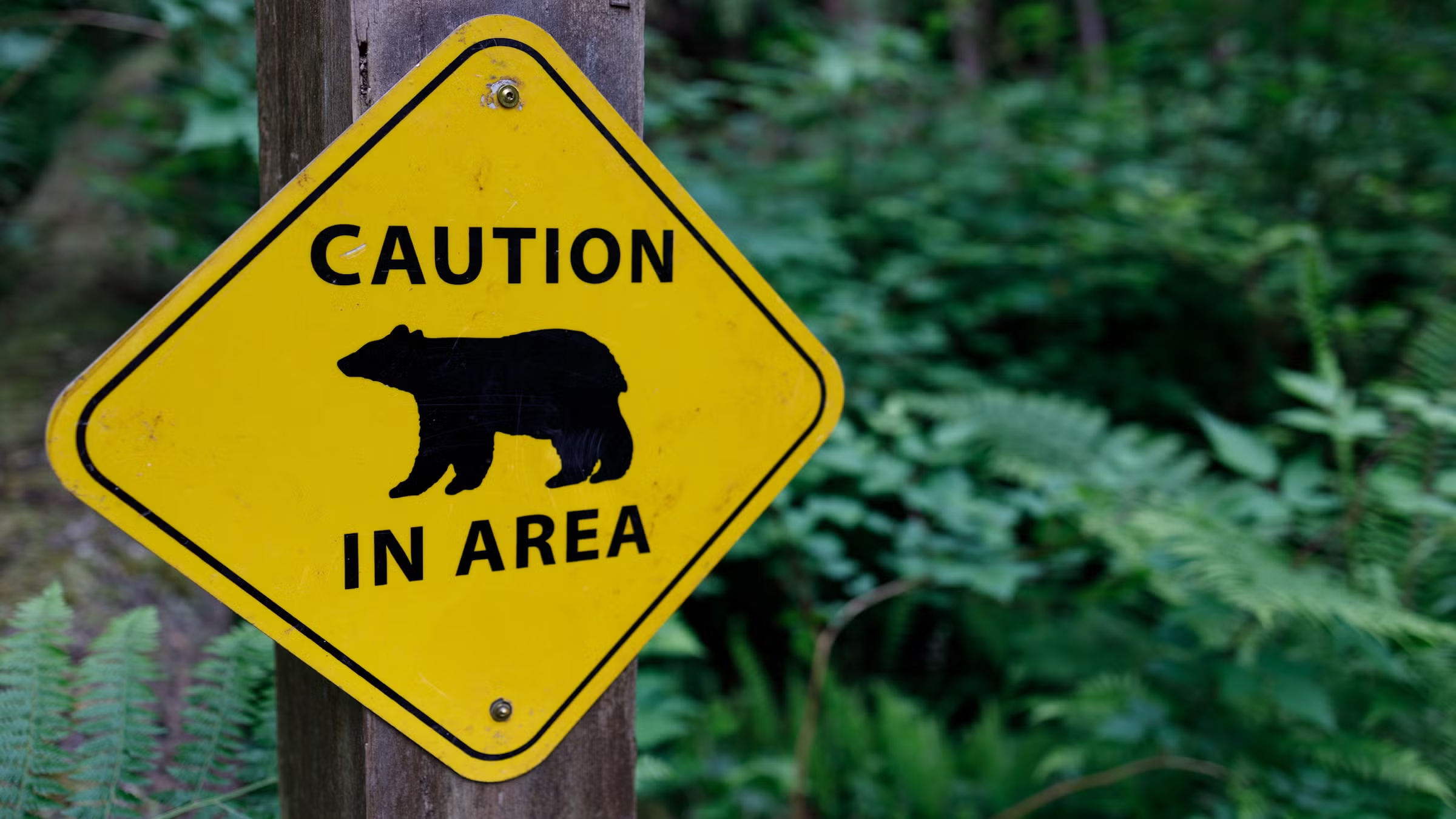
In June 2026, Colorado experienced its first reported bear attack of the year when a black bear stalked a hiker in Apex Park, Golden. The hiker, whose identity remains undisclosed, was alone on the Enchanted Forest Trail when the bear approached, tore off her backpack, and scratched her leg. Despite her efforts to deter the animal by shouting and throwing objects, the bear followed her for approximately 30 minutes before retreating. Authorities closed the 700-acre park temporarily to assess the situation. (kkco11news.com)
This incident is part of a broader trend of increased bear activity in Colorado. Colorado Parks and Wildlife (CPW) has logged over 1,500 bear reports this year, a significant rise from around 1,000 at the same time last year. Experts attribute this surge to a historically low snowpack and an unusually warm winter, which have disrupted bears’ natural food sources like cherries and berries. Consequently, bears are venturing into urban areas in search of food, leading to more human-bear interactions. (kkco11news.com)
Wildlife officials emphasize the importance of proper food storage and waste management to prevent attracting bears. Campers are advised to use bear-resistant containers and avoid leaving food or trash unattended. Additionally, maintaining a safe distance and making noise while hiking can help deter bears from approaching. (kkco11news.com)
In response to the rising bear activity, CPW is actively monitoring bear movements and may relocate or euthanize bears that pose a threat to public safety. Residents and visitors are encouraged to stay informed about bear activity in their areas and follow recommended safety guidelines to coexist peacefully with these animals. (kkco11news.com)
This situation underscores the need for heightened awareness and preparedness as human-bear encounters become more frequent in Colorado.