
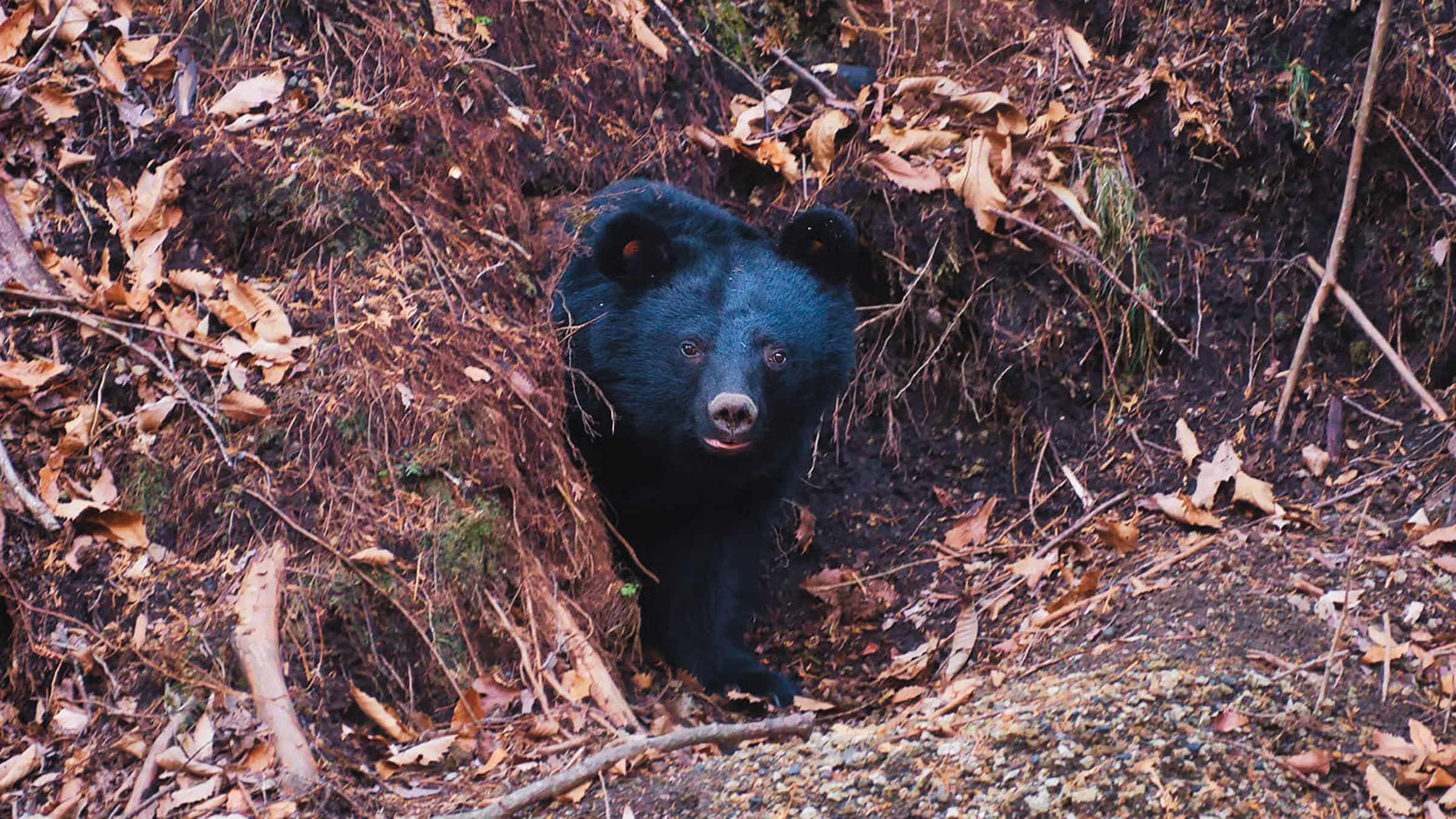
In recent years, Japan has experienced a significant increase in bear-related incidents, leading to heightened concerns among residents and authorities. Reports indicate that wild bears have been entering urban areas, including towns, supermarkets, and even approaching schools, posing serious safety risks. This surge in bear activity has prompted local governments to take measures such as deploying military personnel to manage the situation.
The escalation in bear encounters is attributed to several factors:
-
Habitat Encroachment: Urban expansion and deforestation have led to the loss of natural bear habitats, forcing them to venture into human-populated areas in search of food.
-
Climate Change: Altered weather patterns have affected the availability of natural food sources for bears, compelling them to seek alternative sustenance near human settlements.
-
Aging Population: Japan’s aging rural population has resulted in fewer people available to manage wildlife, leading to a decline in traditional bear control practices.
In response to the crisis, the Japanese government has implemented various strategies, including:
-
Military Deployment: In some regions, military personnel have been mobilized to assist in bear management and ensure public safety.
-
Public Awareness Campaigns: Educational initiatives have been launched to inform citizens about bear behavior and safety precautions.
-
Enhanced Wildlife Management: Efforts are underway to restore natural habitats and improve food availability for bears to reduce human-bear interactions.
The situation remains dynamic, and ongoing efforts are essential to balance the safety of both humans and bears.
For a more detailed overview of the situation, you can watch the following video:
Japan Calls Army: Bears’ Attacks Reach Terrifying Scale!