
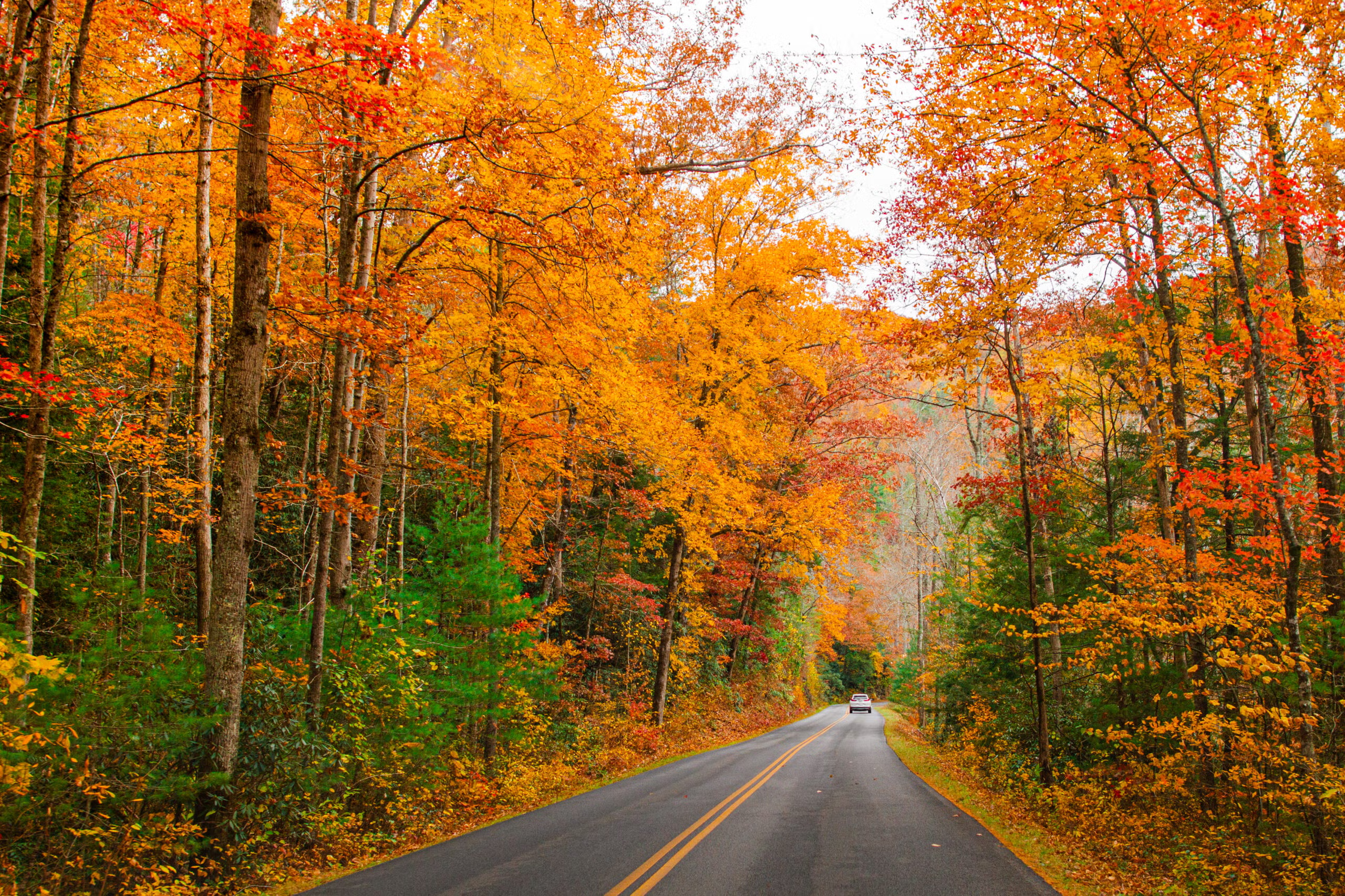
As autumn approaches, the United States’ national parks prepare to showcase their vibrant fall foliage. The timing and intensity of this spectacle vary across regions, influenced by factors such as latitude, elevation, and local climate conditions. Notably, in 2026, Colorado is expected to experience an earlier and potentially more muted fall color display due to ongoing drought conditions. (axios.com)
Denali National Park, Alaska: Mid-August to Early September
In Denali, the tundra transforms into a tapestry of crimson and orange as low-growing shrubs reach their peak color. Golden hues from birch and willow trees add to the park’s autumnal palette. By early September, the onset of winter weather, including snow and freezing temperatures, becomes a possibility.
Rocky Mountain National Park, Colorado: Mid-September to Early October
The park’s aspen groves display brilliant yellow hues, contrasting with the red, rust, and purple tones of the alpine tundra. However, in 2026, Colorado’s fall foliage is anticipated to arrive earlier than usual, with peak colors expected before mid-October. This shift is attributed to drought conditions affecting the region. (axios.com)
Grand Teton and Yellowstone National Parks, Wyoming: Mid-September to Early October
Both parks offer stunning displays of golden aspens, cottonwoods, and willows set against dark evergreen forests. The timing of peak colors aligns with the broader Rocky Mountain region, with variations based on elevation and local microclimates.
Mount Rainier National Park, Washington: Late September to Mid-October
Subalpine meadows beneath evergreen forests are adorned with deep huckleberry reds, orange vine maples, and red mountain ash. The park’s diverse elevations contribute to a prolonged and varied fall color season.
Olympic National Park, Washington: Late September to Late October
The park’s temperate rainforests and subalpine ridges showcase red subalpine berry shrubs, followed by golden and amber hues from bigleaf maples, cottonwoods, and willows in lower forests. The extended color season is influenced by the park’s unique climate and topography.
Acadia National Park, Maine: Early to Mid-October
Dense forests of red and orange maples, yellow birches, and coppery oaks create a vibrant display against the backdrop of evergreen trees. The park’s coastal location and varied elevations contribute to a concentrated and intense fall color season.
Shenandoah National Park, Virginia: Early to Late October
The Appalachian forests are filled with red maples, golden hickories, poplars, and deep red or russet oaks. The color progression moves downhill throughout October, with the most widespread display occurring in the second and third weeks.
Cuyahoga Valley National Park, Ohio: Mid- to Late October
The park’s diverse hardwood forests are dominated by red and orange maples, with yellow tulip trees and russet oaks. The relatively consistent elevation results in a more predictable and extended fall color season.
Great Smoky Mountains National Park, Tennessee and North Carolina: Early October to Early November
One of the country’s most varied displays features red maples and scarlet oaks mixed with golden hickories, birches, and poplars. The park’s extensive elevation range contributes to a prolonged and diverse fall foliage season.
Yosemite National Park, California: Early October to Mid-November
Pockets of yellow aspen, maple, and cottonwood trees, along with red and pink dogwood and golden-brown black oak, create a striking contrast against the park’s evergreen forests. The varied elevations result in a staggered and extended fall color season.
Grand Canyon National Park, Arizona: Mid-October to Mid-November
Golden aspens and Gambel oaks near the rims, followed by vivid yellow cottonwoods along the Colorado River, offer a unique fall color experience. The canyon’s depth and varied elevations create a layered and dynamic foliage display.
When planning a visit to these national parks, it’s essential to consider the specific timing and conditions of the fall foliage season. Weather patterns, such as droughts or early frosts, can significantly influence the vibrancy and duration of the color displays. For instance, Colorado’s 2026 fall foliage is expected to peak earlier and may exhibit more muted tones due to ongoing drought conditions. (axios.com)
To enhance your leaf-peeping experience, consult local foliage reports and park updates before your trip. This proactive approach ensures you witness the parks at their most colorful and vibrant, making your autumn adventure truly memorable.