
“Nordlicht-Zauber auf den Lofoten. Aurora borealis (Wandkalender 2026 DIN A2 quer), CALVENDO Monatskalender” kaufenNorthern Lights Forecast: Where to See the Aurora This Weekend
Skywatchers across North America have a unique opportunity to witness the northern lights from Friday, July 31, through Sunday, August 2, 2026. The National Oceanic and Atmospheric Administration’s (NOAA) Space Weather Prediction Center has issued a forecast indicating potential auroral activity during this period.
Understanding the Aurora Borealis
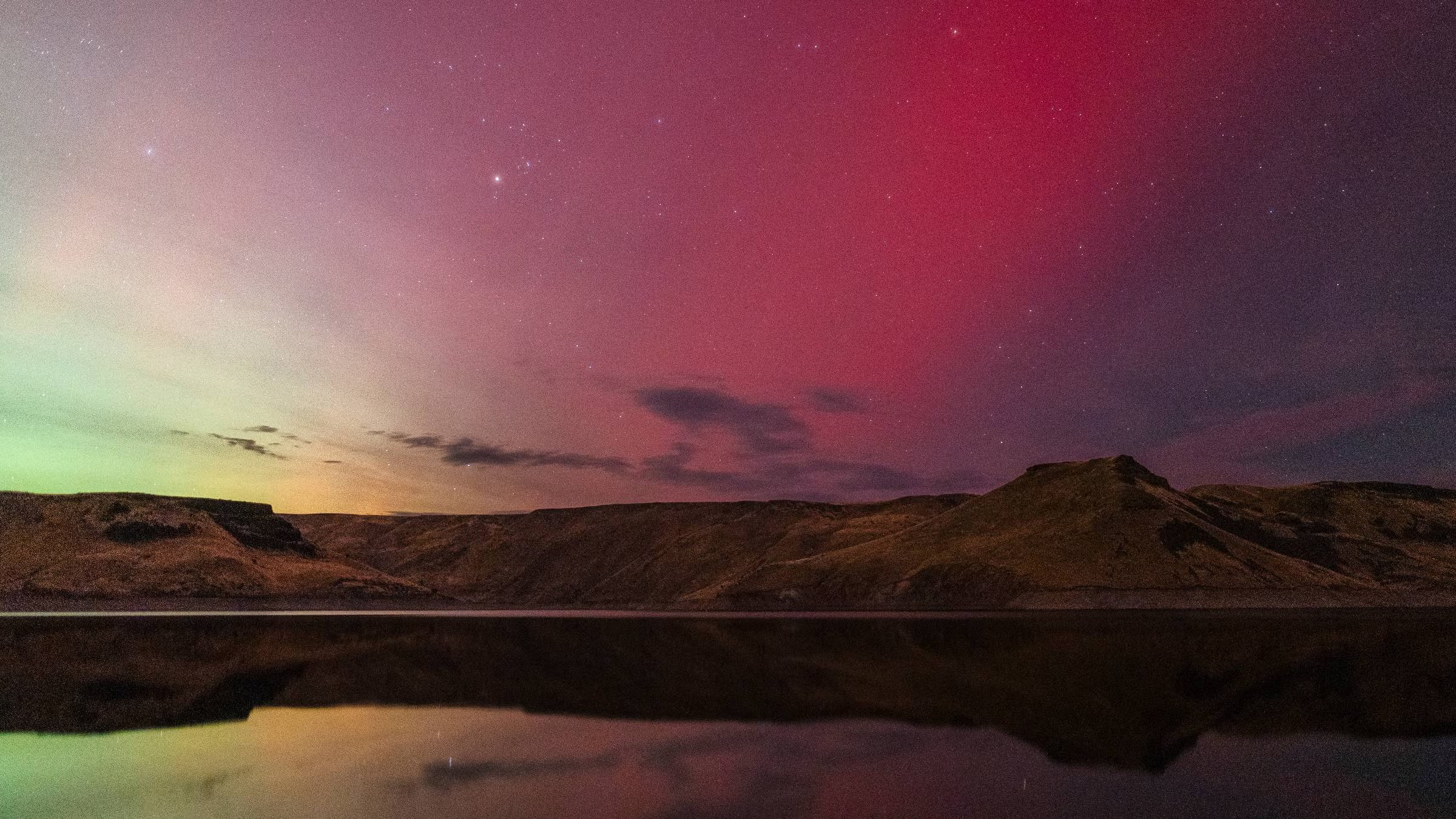
The aurora borealis, or northern lights, occur when charged solar particles interact with Earth’s atmosphere, releasing energy in the form of colorful light displays. These phenomena are most commonly observed in fall and winter months but can occasionally be seen during other times of the year.
Potential Viewing Areas
According to NOAA’s latest aurora forecast map, the following U.S. states may experience auroral activity during this period:
- Alaska
- Washington
- Idaho
- Montana
- North Dakota
- Minnesota
- Wisconsin
- Michigan
In Canada, regions within the auroral oval, particularly in the northern territories, may also be favorable for viewing.
Factors Influencing Aurora Visibility
The visibility of the northern lights depends on several factors:
-
Solar Activity: The current solar cycle, Solar Cycle 25, is at its peak, leading to increased geomagnetic activity and more frequent auroral displays. (checknorthernlights.com)
-
Geomagnetic Storms: The forecasted Kp index of 5.67 on August 2 suggests a moderate geomagnetic storm, enhancing the likelihood of auroral activity.
-
Weather Conditions: Clear, dark skies are essential for optimal viewing. Cloud cover and light pollution can significantly hinder visibility.
Optimal Viewing Conditions
To maximize your chances of witnessing the aurora:
-
Location: Choose areas with minimal light pollution, preferably in the northern regions of the listed states and Canadian territories.
-
Timing: Auroral activity is typically most intense between 10 p.m. and 2 a.m. local time.
-
Weather: Monitor local weather forecasts to select nights with clear skies.
Capturing the Aurora
For those interested in photographing the northern lights, using a smartphone can be effective. Utilize a tripod to stabilize your device, select a dark-sky location, and adjust your camera settings to accommodate low-light conditions. Engaging night mode can enhance image quality.
Stay Informed
For real-time updates on auroral activity, consider monitoring NOAA’s 30-minute aurora forecast. Additionally, apps like My Aurora Forecast & Alerts and Space Weather Live provide timely information to assist in planning your viewing experience.
As the days grow darker, there may be more opportunities to view the northern lights this fall. Staying informed and prepared will enhance your chances of experiencing this captivating natural phenomenon.