
« Prenez des douches plus courtes » : les data centers vident-ils le Texas de son eau ?Federal Approval of AI Data Center Near Lake Mead Sparks Environmental Concerns
In June 2026, the Bureau of Land Management (BLM) approved the construction of an 88.5-acre AI data center near Boulder City, Nevada, approximately ten miles from the Lake Mead National Recreation Area. This decision marks the first federal approval for such a facility on public land. (blm.gov)
Environmental Implications
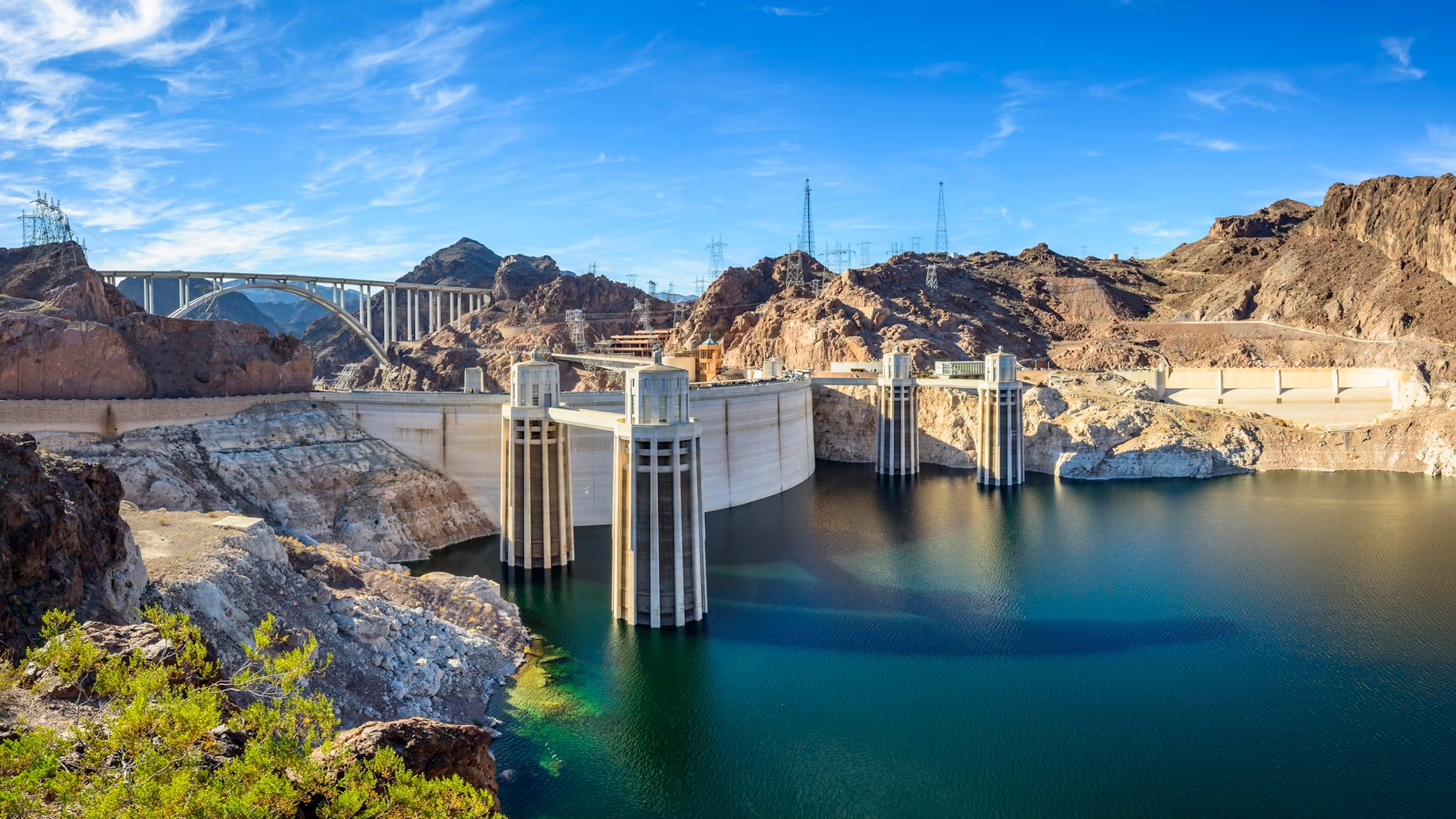
The proposed data center is situated in the Mojave Desert, an area already grappling with severe drought conditions. Lake Mead, the primary water source for the region, is at historic lows, with the Colorado River Basin experiencing over 95% drought conditions. (blm.gov) The facility’s construction could exacerbate these environmental challenges.
Community Response
Local residents and environmental groups have expressed strong opposition to the project. The Boulder City Planning Commission voted 6-1 to recommend rejecting the data center proposal, citing concerns over its potential impact on the environment and local resources. (bouldercityreview.com) Subsequently, the Boulder City Council unanimously decided to appeal the BLM’s decision, arguing that the agency did not adequately consult with the city or provide sufficient opportunity for public input. (bouldercity.com)
Industry Perspective
Proponents of the data center argue that it will advance technological innovation and economic growth. The BLM’s approval aligns with Executive Order 14318, which aims to accelerate federal permitting for data center infrastructure. (blm.gov) However, the concentration of over 4,300 AI data centers in the Lake Mead watershed raises significant environmental concerns, especially as the reservoir reaches just 30% of its total capacity. (caimpare.ai)
Conclusion
The approval of the AI data center near Lake Mead has ignited a complex debate between technological advancement and environmental preservation. As the project progresses, it will be crucial to balance the benefits of innovation with the imperative to protect vital natural resources.