
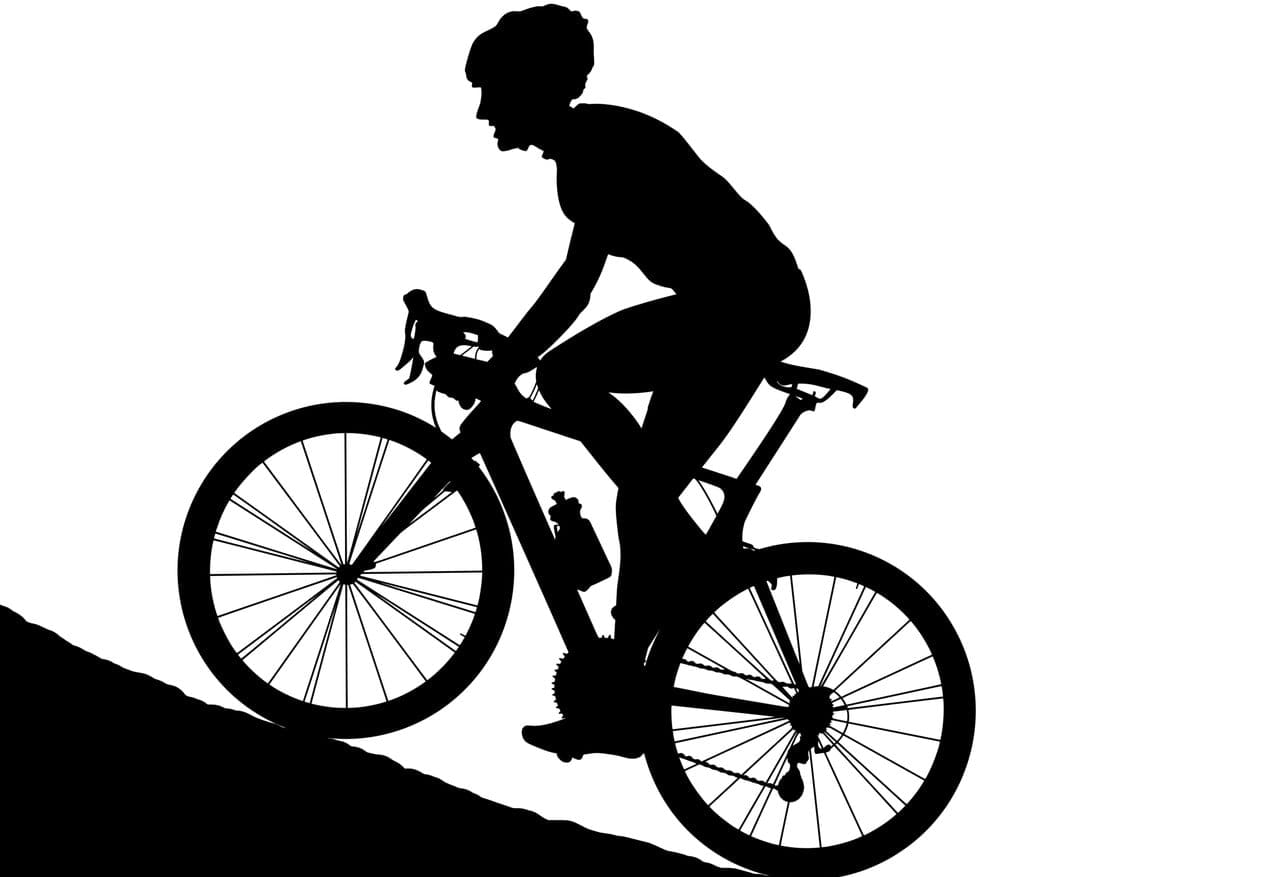
Climbing is the true test of a cyclist’s prowess. However, many riders inadvertently sabotage their efforts before even reaching the first switchback. You might possess strong legs, the lightest bike, and top-tier gear, yet still find yourself exhausted at the summit or, worse, struggling midway up without understanding why.
In most cases, the issue isn’t physical fitness; it’s the approach. Climbs don’t forgive certain mistakes. Here are five common errors that cyclists often make, which you might have encountered at least once:
1. Starting Too Strong
This is the oldest mistake in cycling and continues to “claim victims” every weekend. The climb begins, your legs feel good, enthusiasm is high, and you go all out. The problem is physiological. When you exceed the anaerobic threshold in the first minutes of an ascent, you accumulate lactic acid that’s hard to clear. The result? Midway up, your legs lock up, breathing becomes labored, and what seemed like a controlled ascent turns into pure suffering.
Practical Rule: The first few minutes should feel almost too easy. If you think, “I’m going slow,” you’re probably at the right pace.
2. Using Gears That Are Too Hard
The temptation to “push a big gear” uphill is strong: it feels faster, you sense power in your legs, and the sensation is exhilarating. In reality, it’s a trap. Pedaling at a cadence that’s too low (below 60-65 rpm) greatly fatigues muscles and joints, especially the knees. Conversely, a higher cadence, between 75 and 90 rpm, distributes the effort over time, better utilizes the cardiovascular system, and keeps your legs fresher for the finish.
Practical Rule: Shift down sooner than you think necessary. There’s no shame in using lighter gears uphill; there’s much to regret if you reach the top with damaged knees or, worse, a tendinitis to deal with during the week.
3. Constantly Accelerating
There’s a slightly flatter section. Or a switchback. Or someone rides up beside you that you’d like to drop. Or you simply feel good for thirty seconds and accelerate. Then you accelerate again. And again. It’s one of the most destructive habits uphill, and also one of the hardest to correct because it seems like a sign of energy and not a mistake.
Repeated accelerations cost much more energy than a steady pace. The body manages fatigue much more efficiently when the pace is consistent: each acceleration is an extra withdrawal from your energy account, and that account depletes faster than you think, usually at the worst moment.
Practical Rule: Choose a pace you can maintain for the entire climb and stick to it. It’s better to reach the top with something left in the tank than to burn out three-quarters of the way up.
4. Eating Too Late
Uphill, you can’t afford to wait until you’re hungry before eating. By the time hunger arrives, it’s too late: muscle glycogen is running low, and the power drop is immediate, sharp, and hard to recover from. There’s another factor that worsens things: digestion uphill is slower and less efficient because blood is concentrated in the muscles, not the digestive system. Eating late means eating when the body has the most difficulty absorbing what it needs.
Practical Rule: Eat before the climb, not during. If you know you’re facing a challenging ascent, fuel up in the 30 minutes prior. Gels, bars, or dried fruit: something practical, energetic, and quick to assimilate.
5. Underestimating Heat and Hydration
The climb is physically intense, the sun often beats down, especially in summer and at altitude, and the focus is entirely on the legs. Hydration takes a backseat; you forget to drink until it’s too late. Dehydration significantly reduces performance with just a 1-2% loss in body weight: numbers that are quickly reached when climbing under the sun.
Unlike hunger, thirst is a signal that arrives late compared to the actual state of dehydration; when you feel it, the damage is already done. Uphill, with muscle fatigue increasing body temperature, the risk of heatstroke is not a hypothetical.
Practical Rule: Drink regularly before and during the climb, even if you’re not thirsty. If it’s hot, take advantage of water points along the route to wet your neck and wrists: lowering body temperature helps performance and reduces heatstroke.
Climbing Is an Art
Cycling uphill rewards those who know how to manage themselves, not those who start the strongest. Each of these five mistakes stems from excess enthusiasm, ego, or haste. The mountain has its own logic, and respecting it is the first step to truly enjoying the climb instead of enduring it.
And the next time you reach the top with still something in your legs, without having burned out at the start and without destroyed knees, that satisfaction is worth more than a few seconds saved.
Have you made a climbing mistake at least once? Write it in the comments below.
For more insights on climbing techniques and common mistakes, you might find this video helpful:
5 Mistakes to Avoid When Climbing